25 Braids for Black Men With Sharp Parts: Find Your Pattern

Braids give black men more style options than almost any other cut. Straight-back cornrows, stitch braids, zigzags, two or four big braids, freestyle designs and single plaits all start from the same idea, but each one changes how your hair looks, how long it takes and how it holds up over the weeks.
Below are 25 braids for black men, teens and boys, from cornrows with fades and tapers to stitch, zigzag, feed-in, French and snake braids, buns, ponytails, beads, short and long styles, and work-friendly looks. Each one covers who it suits, how long your hair needs to be, how long it lasts, and how to keep it from pulling at your hairline.
Short on Time? Pick Your Path
Table of Contents
- 01Straight-Back Cornrows
- 02Cornrows With a Low Fade
- 03Stitch Braids
- 04Zigzag Cornrows
- 05Two Braids
- 06Four Braids With a Design
- 07Six Braids
- 08Single Plaits
- 09Box Braids
- 10Freestyle Cornrow Designs
- 11Sideways Cornrows
- 12Feed-In Braids
- 13French Braids
- 14Snake Braids
- 15Braided Man Bun
- 16Braided Ponytail
- 17Braids With Beads
- 18Short-Hair Braids for Black Men
- 19Long Braids for Black Men
- 20Braids With a High Taper
- 21Cornrows on the Sides With a Loose Top
- 22Professional Braids for Work
- 23Cornrows With a Softer Front Line for a Big Forehead
- 24Teen Cornrows
- 25Boys’ Cornrows
01
OF 25
Straight-Back Cornrows
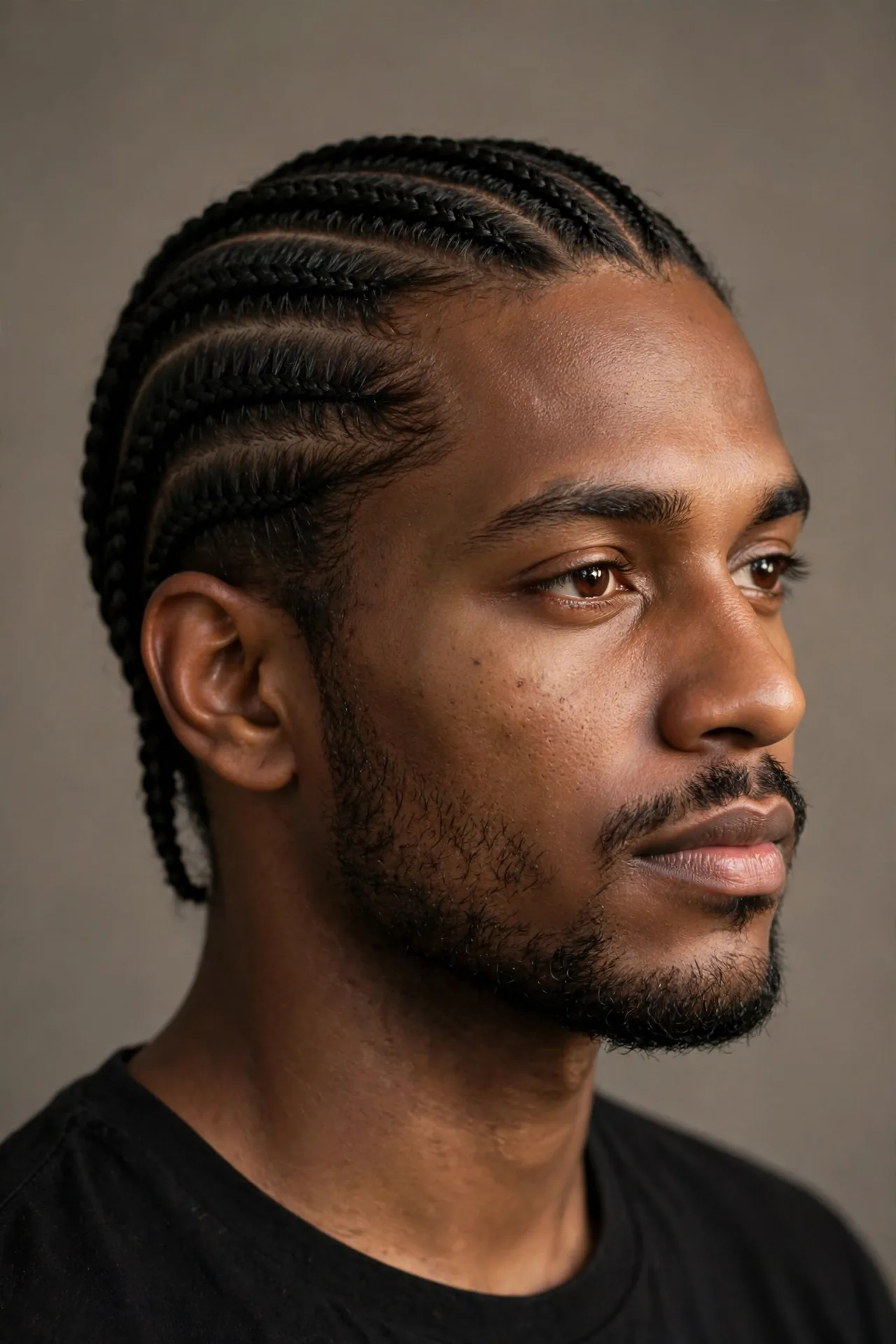
Straight-back cornrows are the most classic braid style for black men. The braids run in neat, parallel lines from the front of the head to the back, sitting flat against the scalp.
They’re quick to install, easy to sleep in and suit almost every face shape. Thinner rows look detailed, while thicker rows are quicker and bolder.
How Cornrows Got Their Name
Stone Age paintings on the Tassili Plateau in the Sahara show figures with what appear to be cornrows, dating back to around 3000 BC. The name “cornrows” is thought to come from the rows of crops in fields in the Americas and the Caribbean, where the style is also known as “canerows.”
Different braid types suit different needs, so here’s a quick guide to the most common styles in this list.
| Braid Type | Install Time | Typical Wear | Best For |
|---|---|---|---|
| Cornrows | Quick to moderate | About 2 to 4 weeks | Clean, classic looks |
| Stitch braids | Moderate | About 2 to 4 weeks | Sharp, detailed lines |
| Feed-in braids | Moderate | About 3 to 4 weeks | Fuller, longer braids |
| Box braids | Long | About 4 to 6 weeks | Loose, versatile styling |
| Single plaits | Long | About 4 to 6 weeks | Movement and length |
02
OF 25
Cornrows With a Low Fade
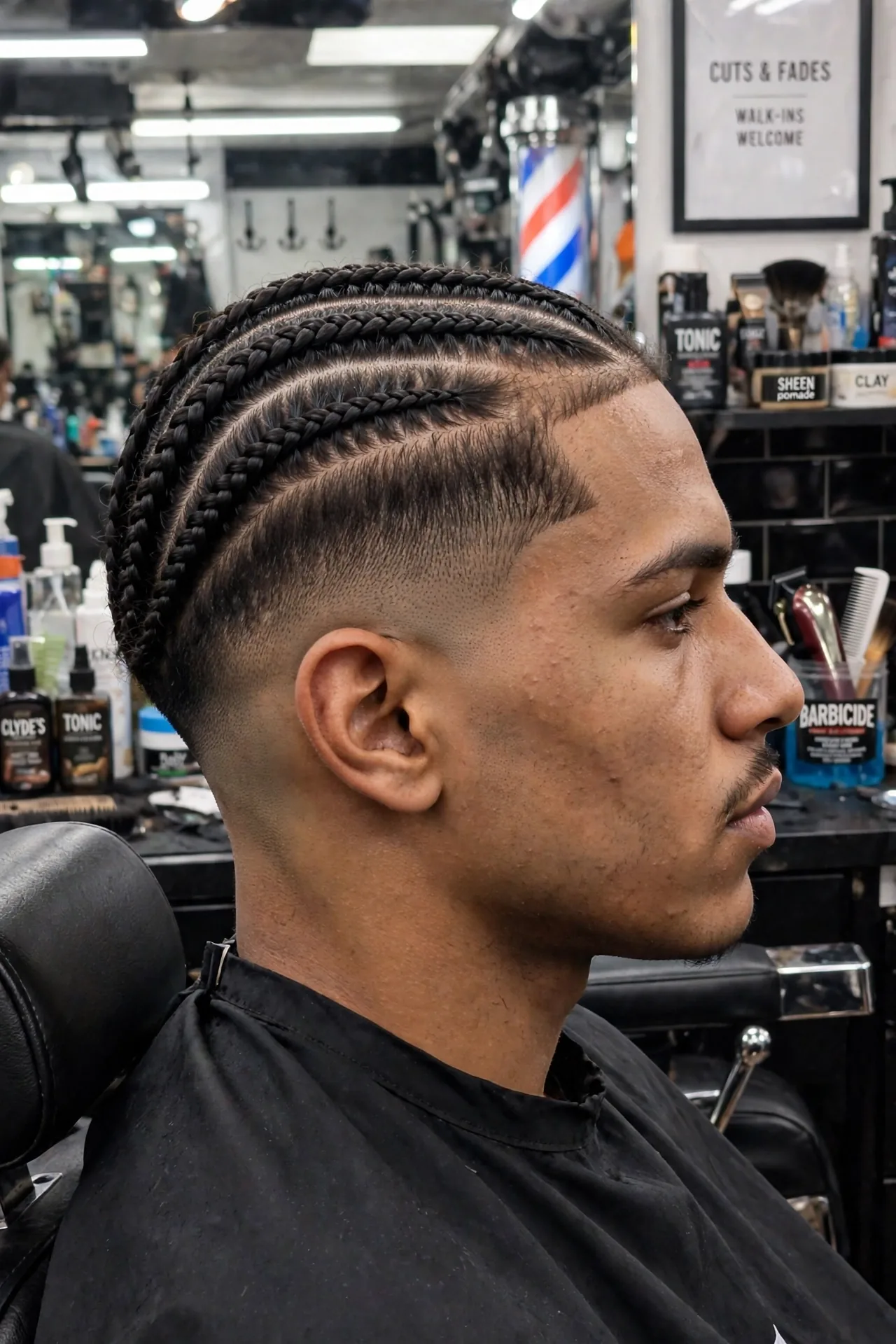
Cornrows with a low fade combine braids on top with short, faded sides and back. The fade keeps the sides clean, while the cornrows add detail and length on top.
The fade grows out faster than the braids. Expect to visit your barber every one to two weeks to keep the edges and sides crisp.
✅ Do This
Ask the braider to start the cornrows just above the fade line, so the braids and the fade meet in a clean edge.
🚫 Skip This
Don’t let the braider pull the lowest rows tight against freshly faded skin, because that area is short and easily irritated.
A low fade suits most face shapes and looks neat for work and school. A mid or high fade makes the contrast bolder.
03
OF 25
Stitch Braids
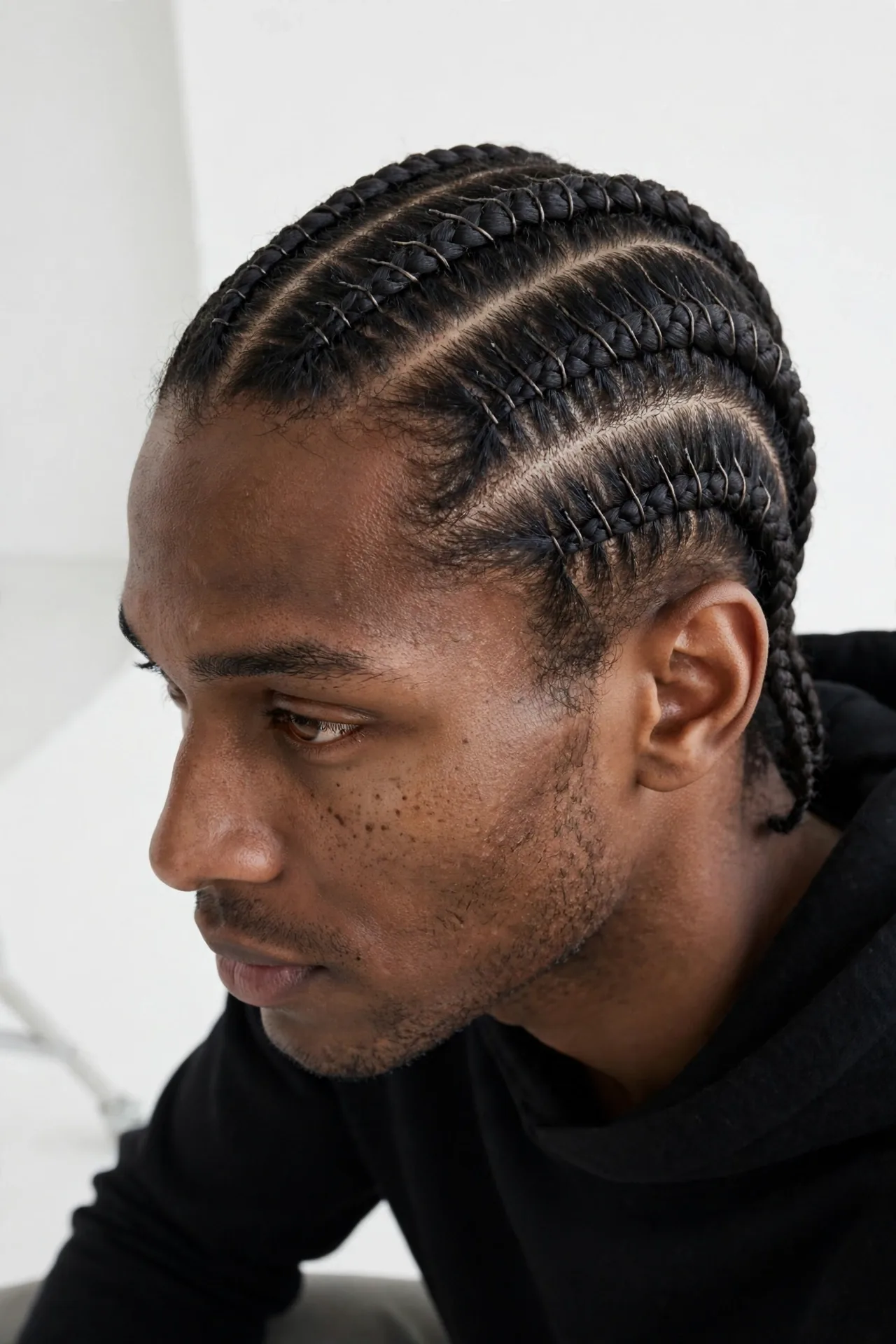
Stitch braids are cornrows with small horizontal lines along each braid, created by the braider’s fingernail or a comb as they work. The “stitches” make each braid look extra sharp and defined.
They look best with fewer, thicker rows, which show the stitch pattern clearly. Four to eight stitch braids straight back are a popular choice.
🎨
Rows
4 to 8 straight back
✂️
Detail
horizontal stitch lines
📐
Wear
about 2 to 4 weeks
Stitch braids are most crisp in the first week. As new hair grows, the lines soften, so plan for a refresh every few weeks.
04
OF 25
Zigzag Cornrows
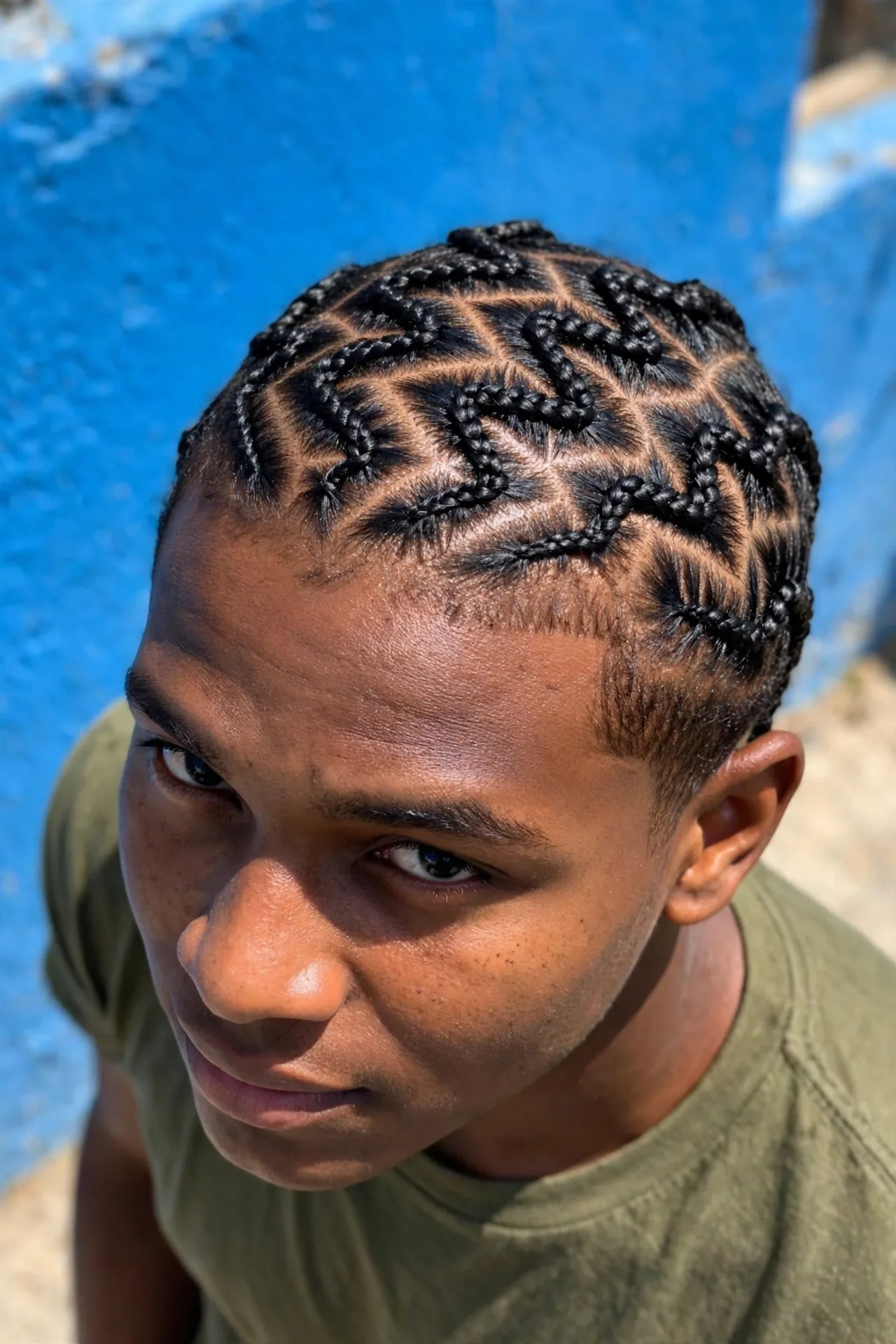
Zigzag cornrows follow sharp zigzag lines from the front to the back of the head instead of straight lines. They’re a bold, eye-catching style that stands out from standard cornrows.
The zigzag pattern takes more skill than straight rows. Choose a braider with zigzag styles in their portfolio.
A fresh line-up and a low fade make the zigzag pattern look even sharper. Keep the edges neat between braid appointments.
05
OF 25
Two Braids
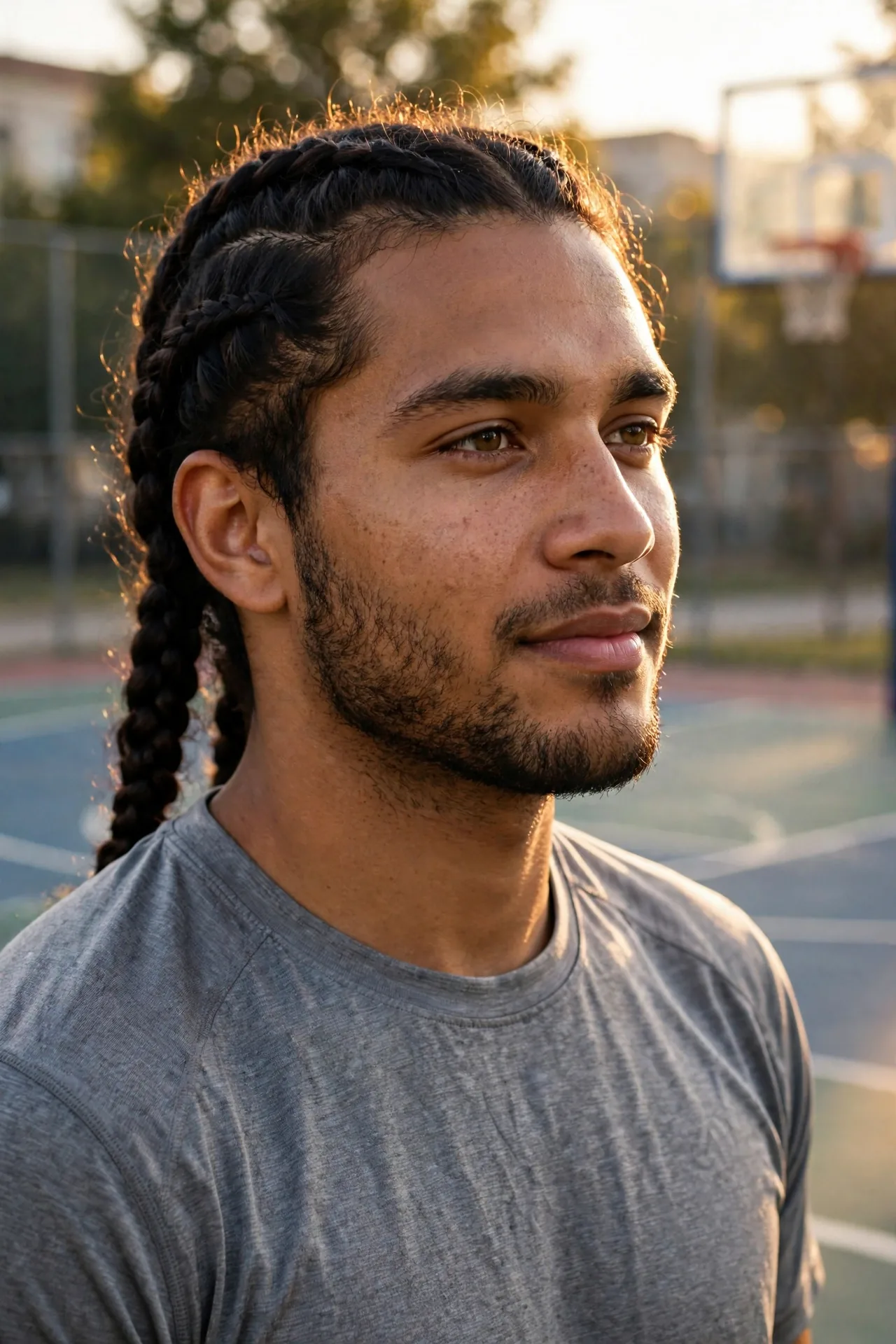
Two braids split your hair into two large sections, each braided from the front to the back. It’s quick, bold and practical for sport, since the braids stay flat and secure.
Two braids are a great short-term style between longer braided looks. They’re also easy to take out.
💬 Two Braids Need Enough Length
Because two braids hold a lot of hair each, they look fullest on medium-length hair. On short hair, the braids can look thin and patchy, so add a little braiding hair or choose more rows.
Keep the parting down the middle clean and straight. A neat part makes the whole style look sharper.
06
OF 25
Four Braids With a Design
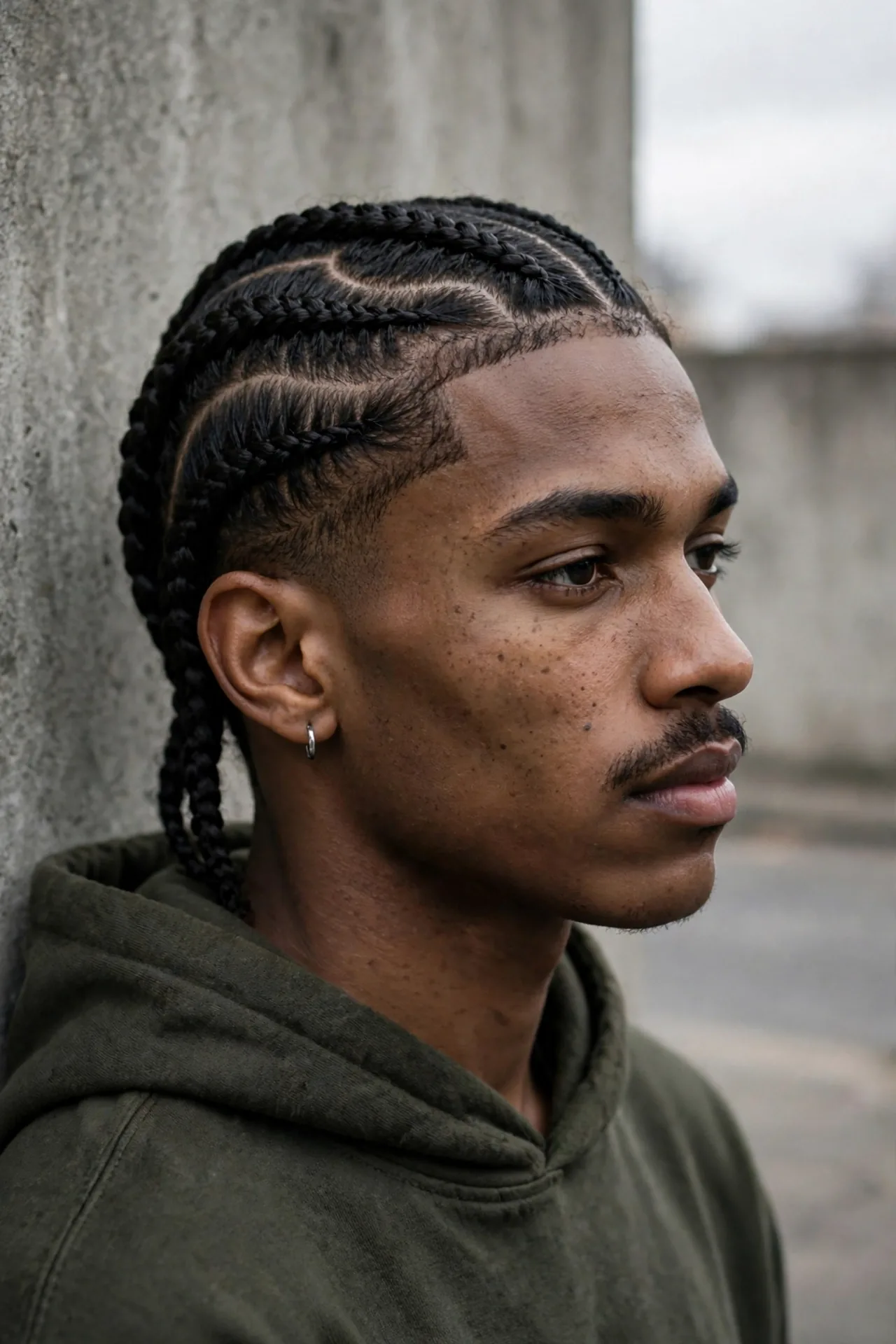
Four braids with a design combine four thick braids with a curved or angled design in the parts. The design adds personality to a simple, bold style.
Curves, swoops and diagonal lines are popular designs. Your braider can draw the parting pattern before braiding to show you the design.
✅ Your Four-Braid Design Request, Piece by Piece
- Four thick braids running front to back
- Curved or angled parting lines between them
- A clean line-up at the front
- Braids finished at the nape or just below
Bring a photo of the design you like. It’s much easier for the braider to match a picture than a description.
07
OF 25
Six Braids
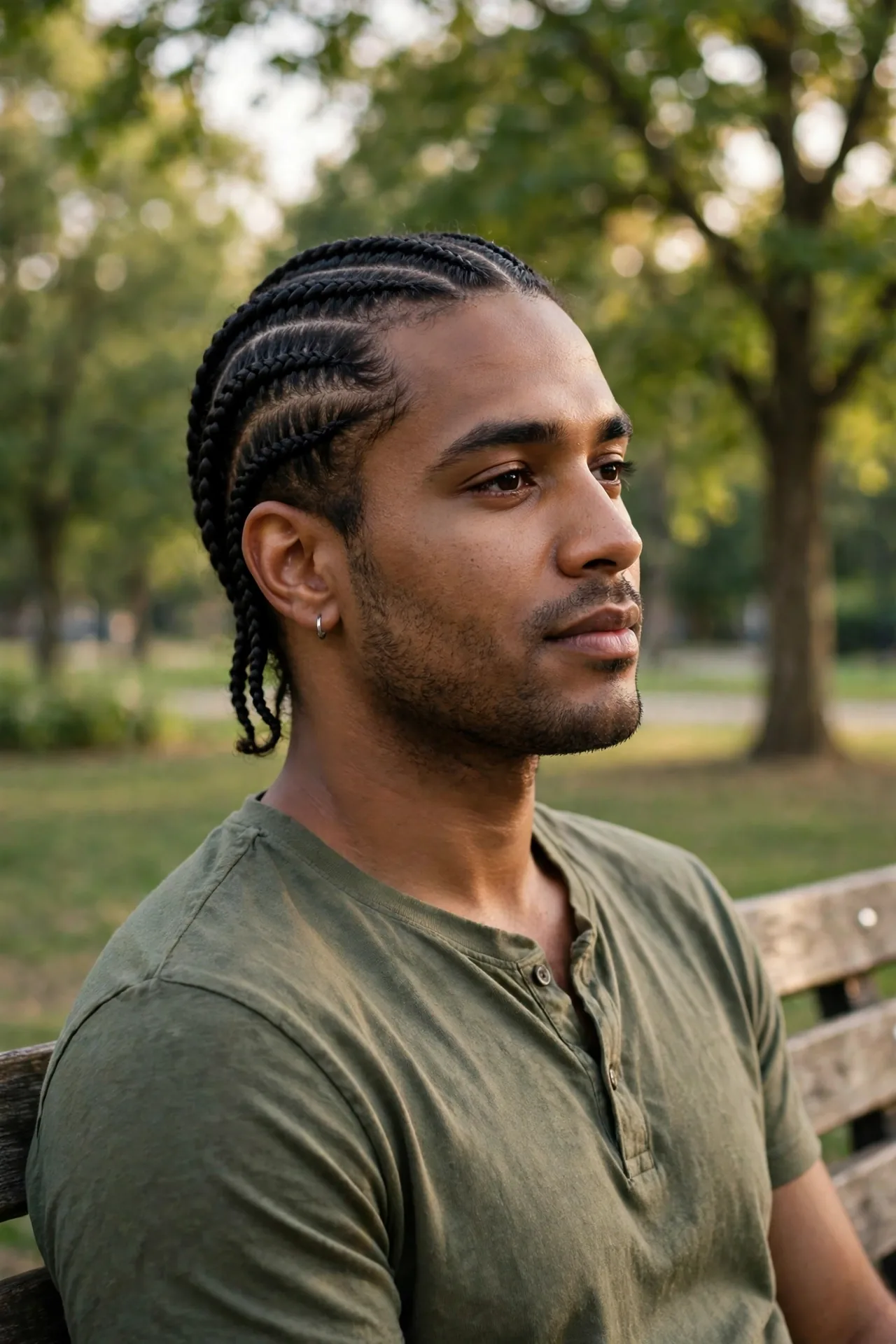
Six braids sit between bold four-braid styles and detailed many-row cornrows. They look neat, balanced and easy to wear every day.
The medium-sized rows install fairly quickly and hold their shape well. They suit most face shapes and hair lengths.
🎨
Rows
six straight back
✂️
Size
medium-thick
📐
Length
just below the nape
Six braids also look great with a low fade or taper. Add stitch lines for a sharper finish.
08
OF 25
Single Plaits
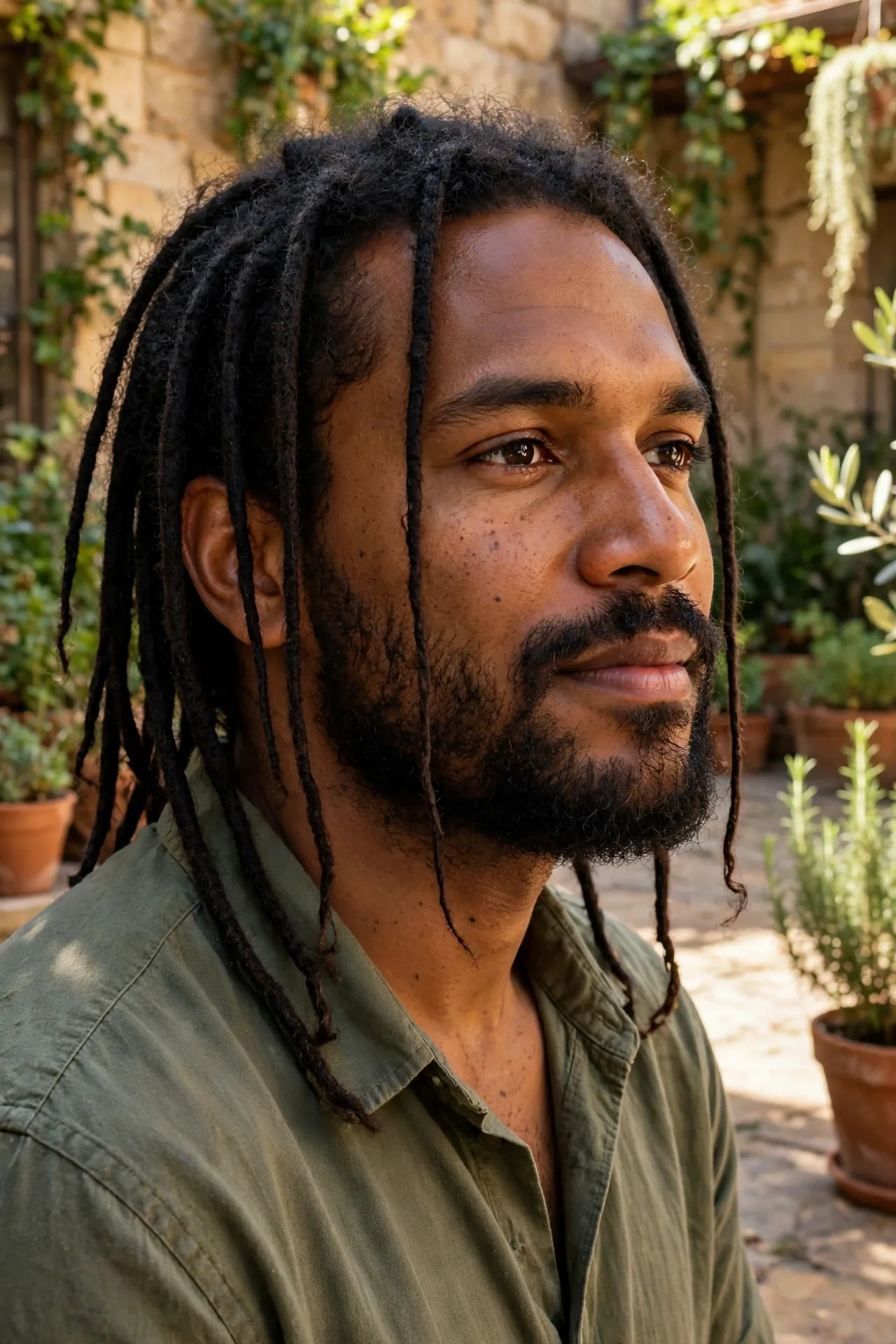
Single plaits, or individual braids, are loose braids that hang freely rather than sitting flat against the scalp. They move like loose hair and can be tied up, worn down or pulled back.
They take longer to install than cornrows but usually last longer too. They’re a good choice if you want a style that changes day to day.
📌 Singles Are a Close Cousin of Box Braids
Single plaits and box braids are very similar, both loose braids from individual sections. Box braids usually have neater, square parts, while singles may have looser, less defined sections.
Medium-sized singles are a good balance of install time and detail. Very thin singles take much longer but last longer too.
09
OF 25
Box Braids
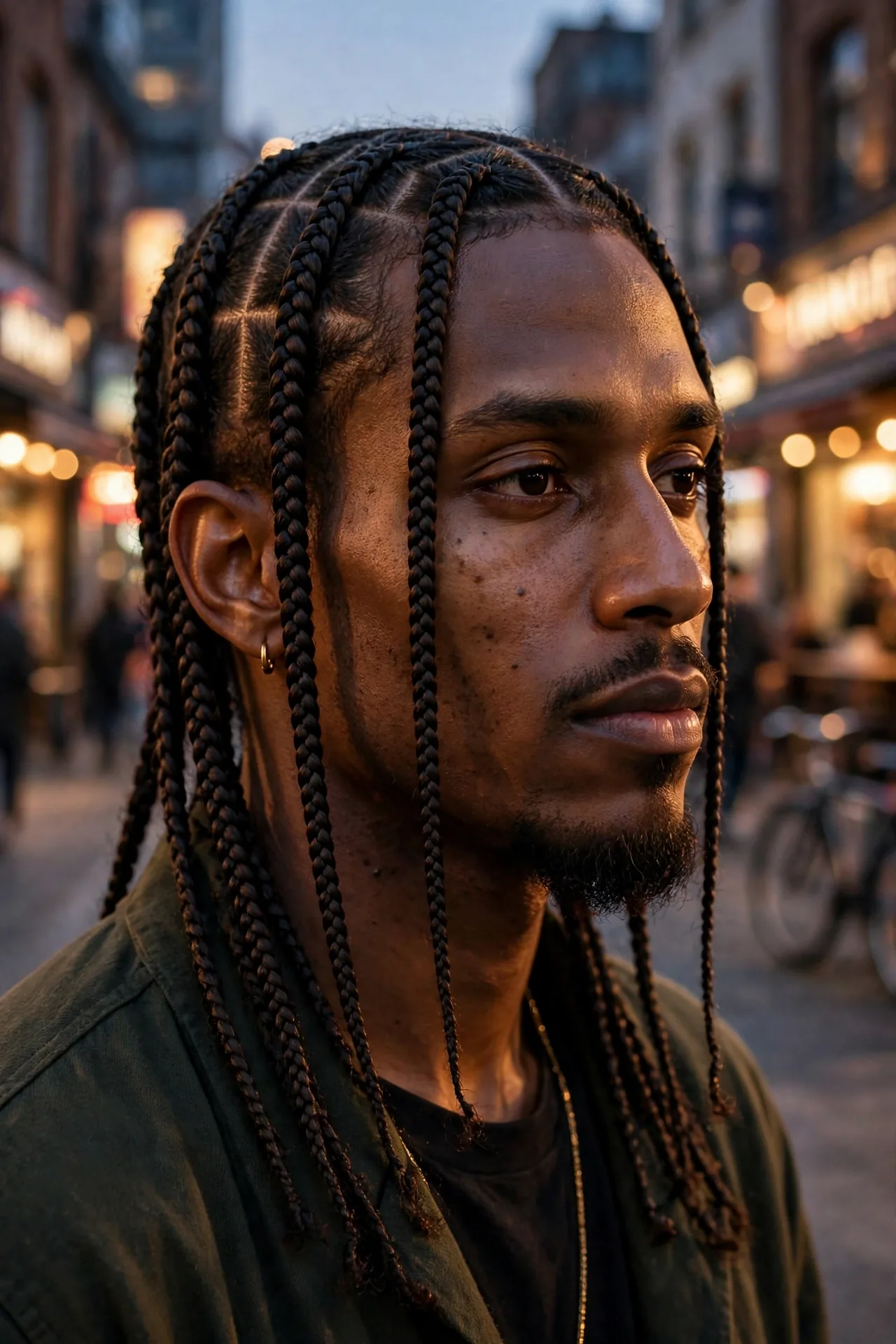
Box braids are loose braids grown out of neat square sections. They look structured and detailed, and they’re easy to tie up, wear down or put into a bun.
Medium box braids are the most popular size for a first set. They balance install time with a neat, detailed look.
💡 Choose a Size You Can Live With
Small box braids last longer but take many hours to install, while jumbo braids are quick but heavy. Medium braids are the easiest all-round choice for most men.
Box braids usually last around four to six weeks. Sleep in a satin durag or bonnet to keep them neat.
10
OF 25
Freestyle Cornrow Designs
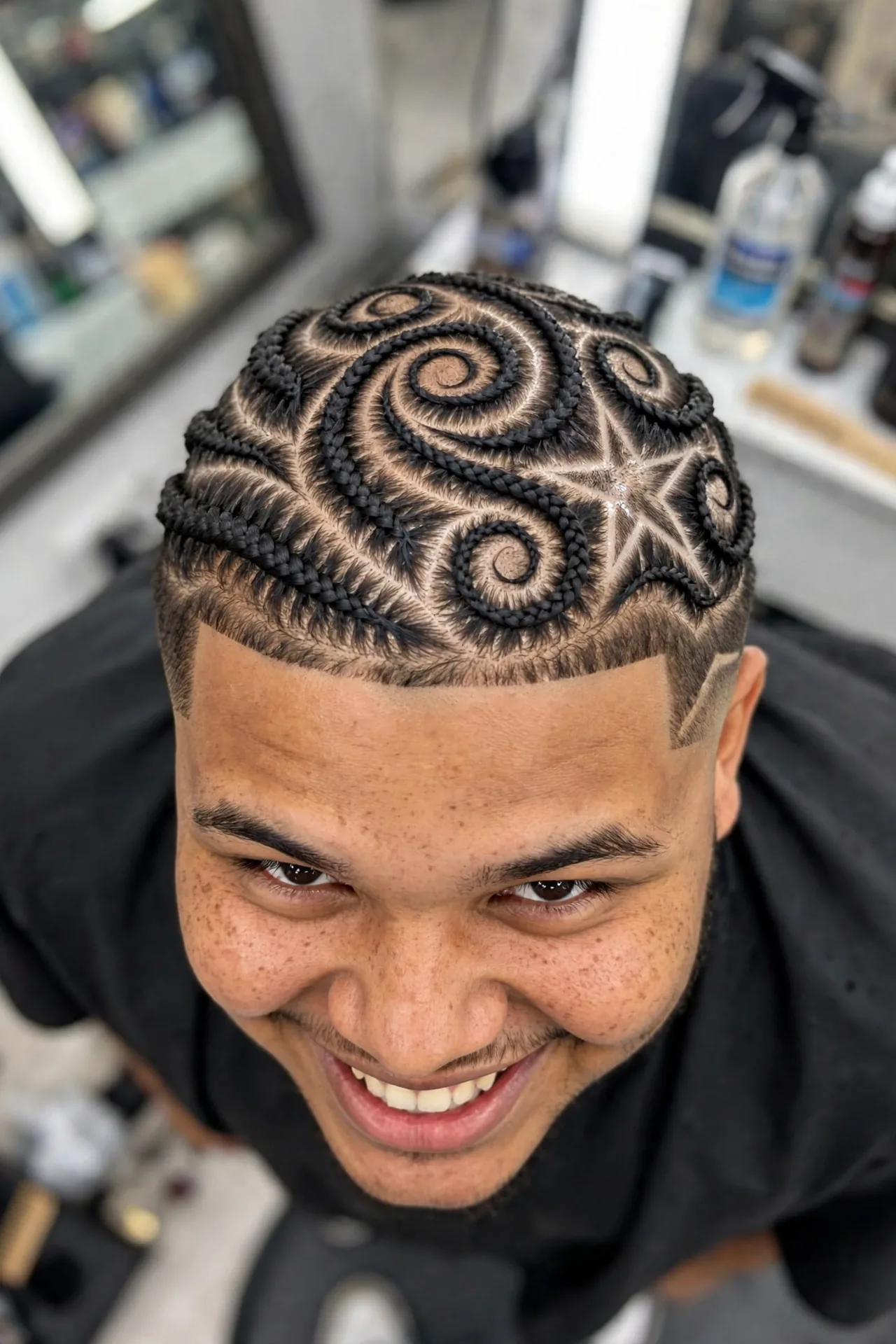
Freestyle cornrow designs use curved, swirling or patterned rows instead of straight lines. Swirls, stars, waves and curves turn your braids into a unique piece of art.
Choosing a Design That Suits Your Head Shape
Swirls and curves soften angular face shapes, while straight lines and angles suit round faces. A good braider will plan the design around your hairline and the shape of your head.
Bring a few photos so the braider can see what you like. Complex designs take longer, so book a longer appointment.
11
OF 25
Sideways Cornrows
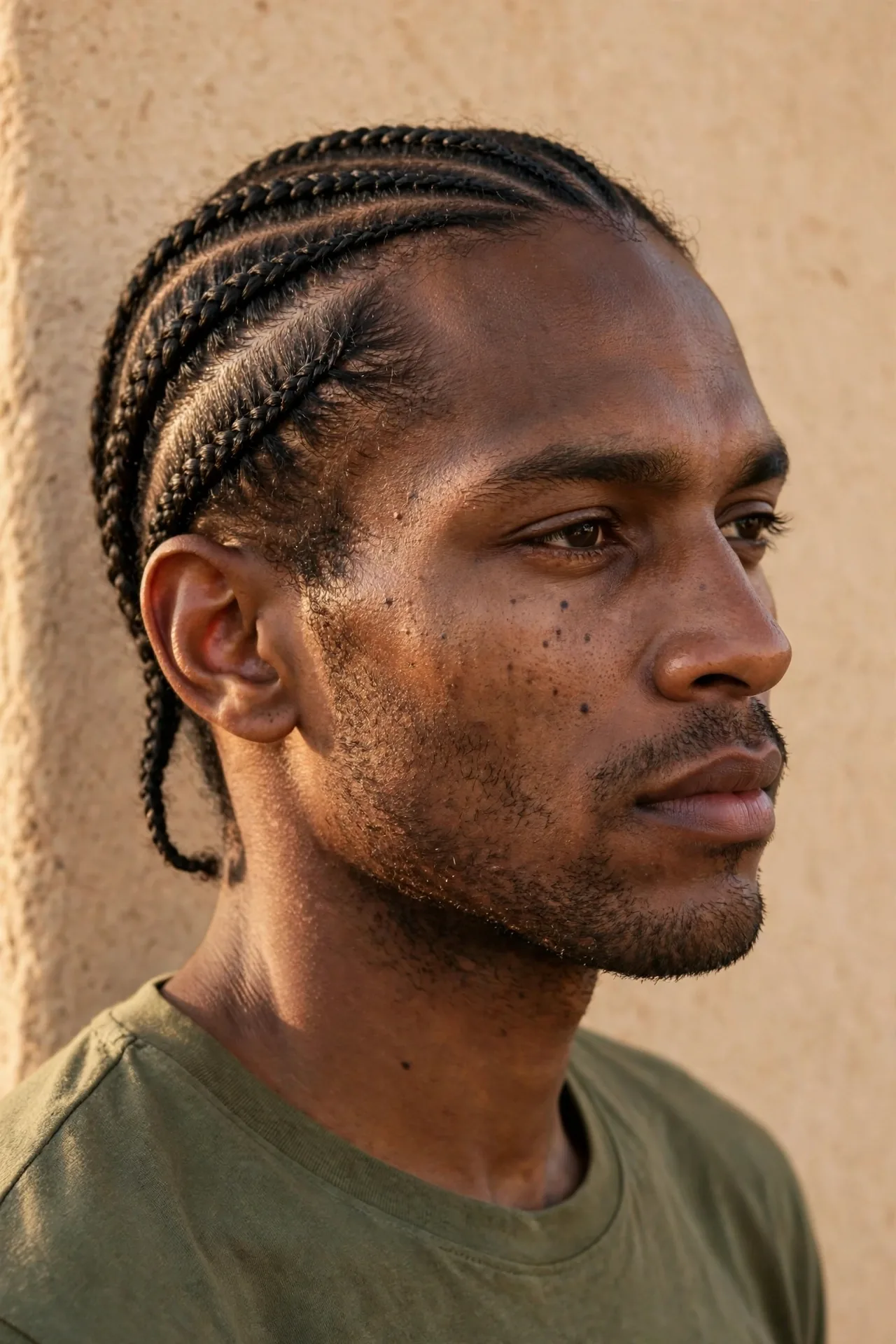
Sideways cornrows sweep diagonally across the head to one side rather than straight back. The angled rows look dynamic and unusual.
They work well with a fade on the shorter side. The braids end behind one ear, which adds an asymmetrical touch.
Sideways braids look best with medium-thin rows. Thick rows can look bulky when they all gather on one side.
12
OF 25
Feed-In Braids
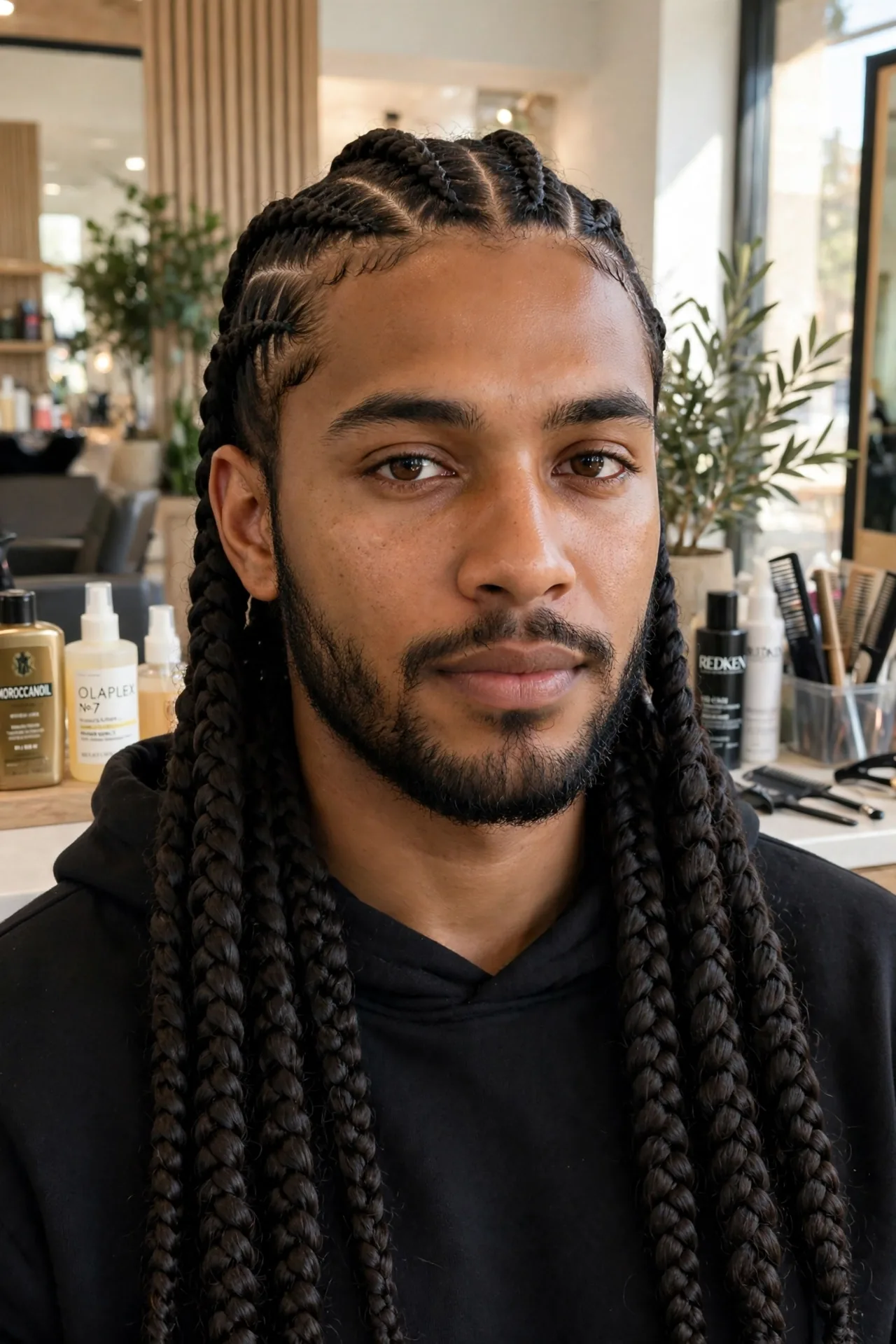
Feed-in braids start with your natural hair at the hairline, and braiding hair is fed in gradually as the braid goes back. They start thin and get thicker, which looks natural and adds length.
Because extension hair is added gradually, there’s less weight pulling at the hairline than with braids that add bulk from the start. That makes them a good option for a gentler style.
💡 The “Tighter Braids Last Longer” Myth
Myth: Braiding very tightly makes cornrows last longer.
Reality: Tight braids don’t last much longer, but they do strain your hairline and can lead to hair loss. Firm, comfortable braids with good scalp care last just as well.
Feed-in braids look great straight back or in curved patterns. Ask for the extension hair to match your natural colour for the most natural look.
13
OF 25
French Braids
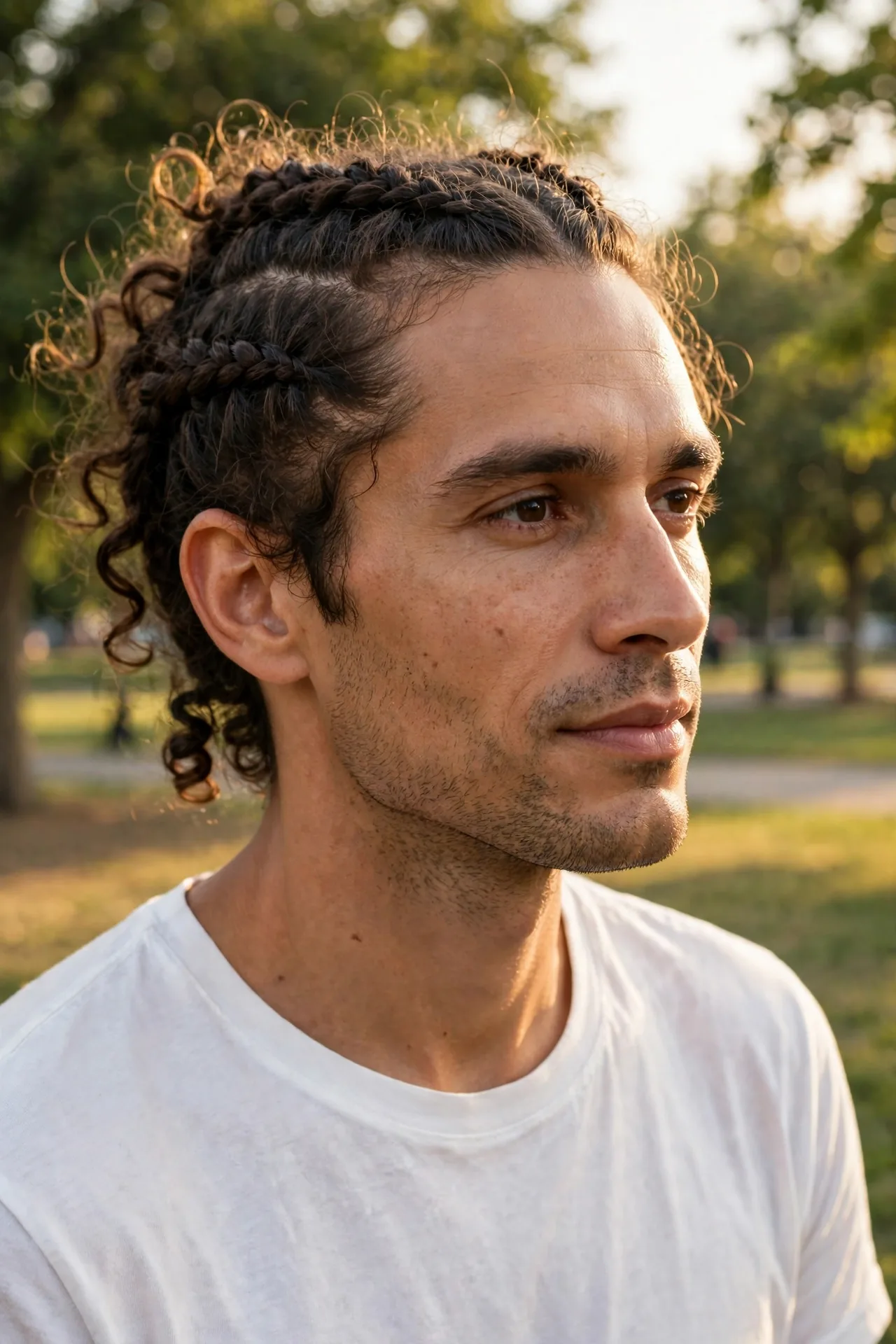
French braids are braided by crossing sections over each other, adding hair as you go, so the braid sits on top of the hair rather than flat underneath. They look softer and more raised than cornrows.
They’re a good choice for curly or looser coily hair with some length. Two French braids straight back is the most popular style.
Where French Braids Turn Frizzy:
French braids on dry hair can frizz within a day or two. Lightly moisturise your hair before braiding, and sleep in a satin durag or bonnet to keep them neat.
French braids are usually a shorter-term style than cornrows. They’re great for a few days or a week.
14
OF 25
Snake Braids
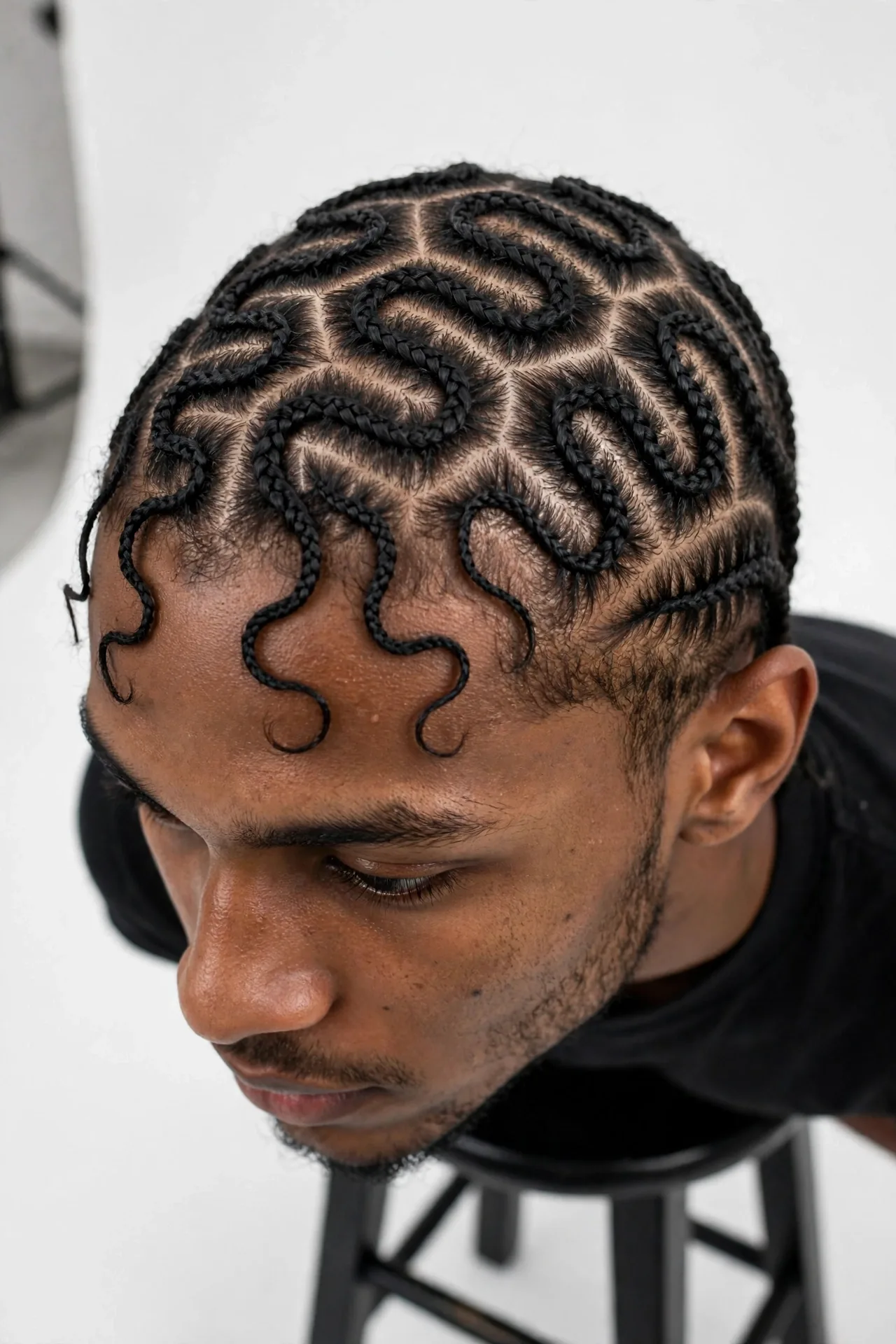
Snake braids are thin cornrows that curve in wavy, S-shaped lines across the head. The fluid lines look detailed and eye-catching.
They usually use thin rows, which show the curves clearly. That means a longer appointment than straight cornrows.
⚠️ Very Thin Braids Strain the Hairline
On a Long Hair Care Forum thread about wearing braids often, one member warned that very small or micro braids “can really screw up your hairline,” while another said medium braids worn for years caused no edge damage. Ask for slightly thicker rows near the front, and take the braids down carefully, since edge hair breaks easily.
Snake braids look best with a fresh line-up. A low fade or taper keeps the sides clean.
15
OF 25
Braided Man Bun
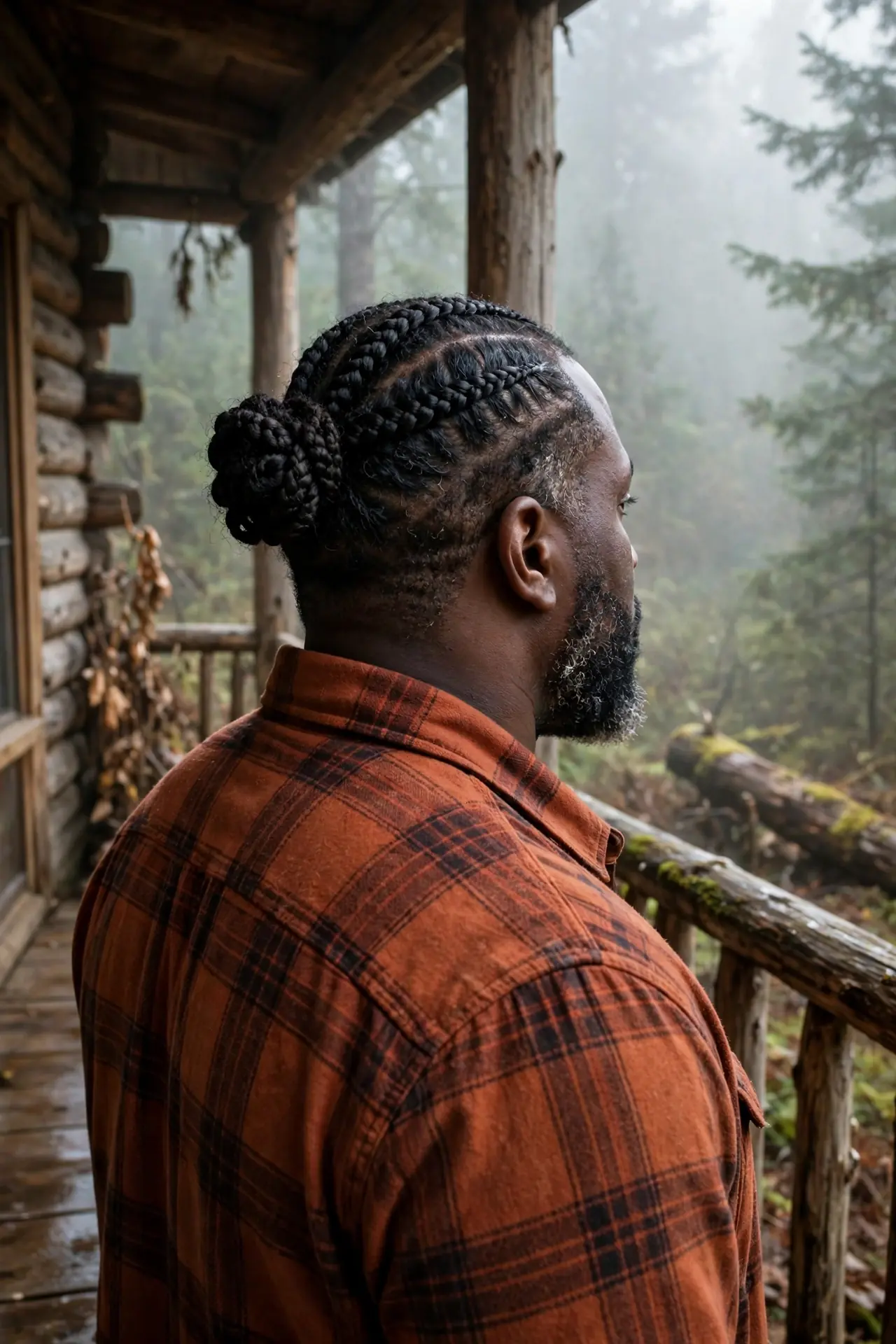
A braided man bun gathers cornrows or single braids into a bun on the crown or at the back of the head. It’s neat, cool on hot days and keeps braids off your neck.
Braiding the rows upward toward the bun creates a clean, sculpted look. Loose single braids can also be wrapped into a bun.
Skip It If Your Hair Is Short or Your Hairline Is Thinning
A bun needs enough length to hold, and pulling braids up tightly to the crown puts extra stress on the front hairline. If your edges are already thinning, a straight-back style puts less pull on the front.
Wrap the bun loosely and secure it with a soft scrunchie. Change the bun’s position now and then to spread the tension.
16
OF 25
Braided Ponytail

A braided ponytail gathers cornrows or braids into a ponytail at the back. It looks neat and professional, and it keeps your hair tidy for work and events.
A low ponytail is gentler on your scalp than a high one. It also looks more polished with smart clothes.
BEFORE:
Cornrows pulled into a tight, high ponytail that stretches the hairline and lifts the edges.
AFTER:
The same cornrows gathered into a loose, low ponytail with a soft band, sitting gently at the nape.
Use a soft, covered elastic instead of a thin rubber band. Rubber bands snag and break braids.
17
OF 25
Braids With Beads
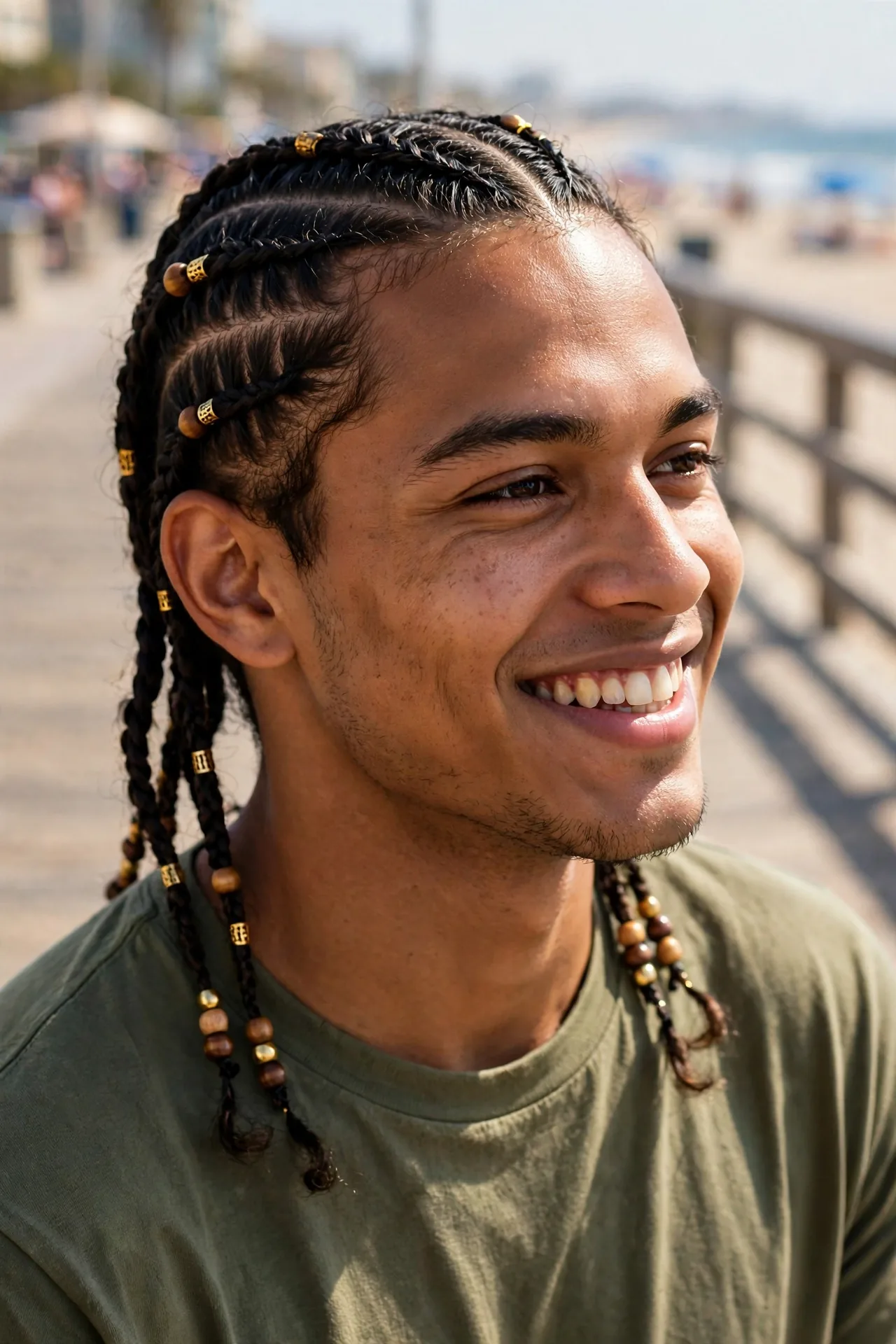
Braids with beads add colour and personality to the ends of cornrows or single braids. Gold, wooden, silver and coloured beads all look great.
A few lightweight beads on selected braids look stylish without adding much weight. Heavy beads on every braid pull on your roots.
Beads click and catch on clothes and pillows. Choose small, smooth beads and secure them with small elastics.
📅 Wear It For
18
OF 25
Short-Hair Braids for Black Men
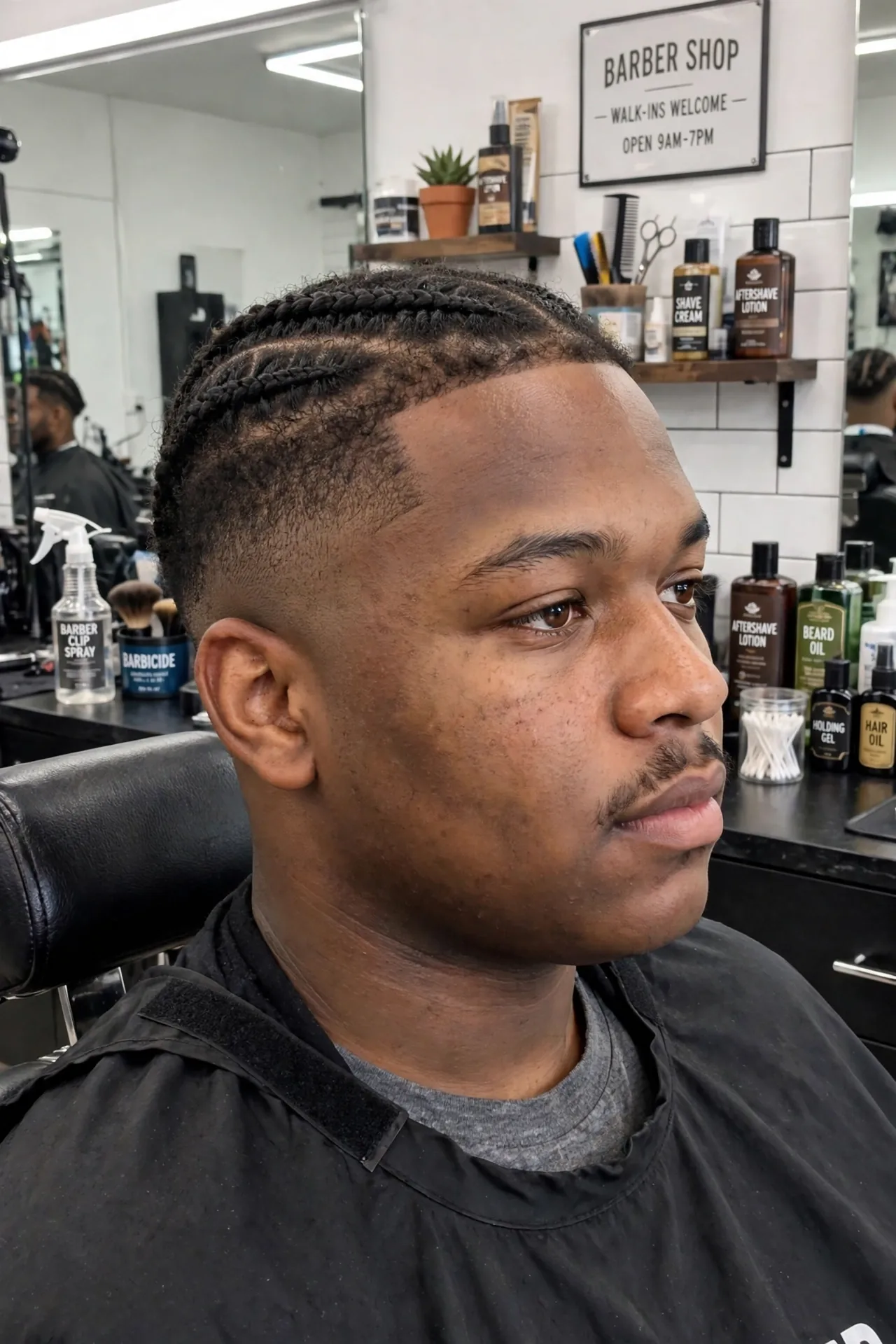
Short hair can still be braided, especially into small cornrows. Around 2 inches of hair is usually enough for basic cornrows, and a braider can add a little braiding hair for extra grip.
Short braids are light and comfortable, and they grow out quickly visually. Plan to refresh them more often than longer braids.
💈 Your Short-Hair Braid Request, Word for Word
Tell your braider: “My hair’s about two inches, so please do small straight-back cornrows, and add a little braiding hair if it needs more grip.” Ask them to keep the front rows comfortable, not tight.
4C hair is fragile and dries out quickly. Moisturise before braiding and use a light oil on the scalp between parts.
19
OF 25
Long Braids for Black Men
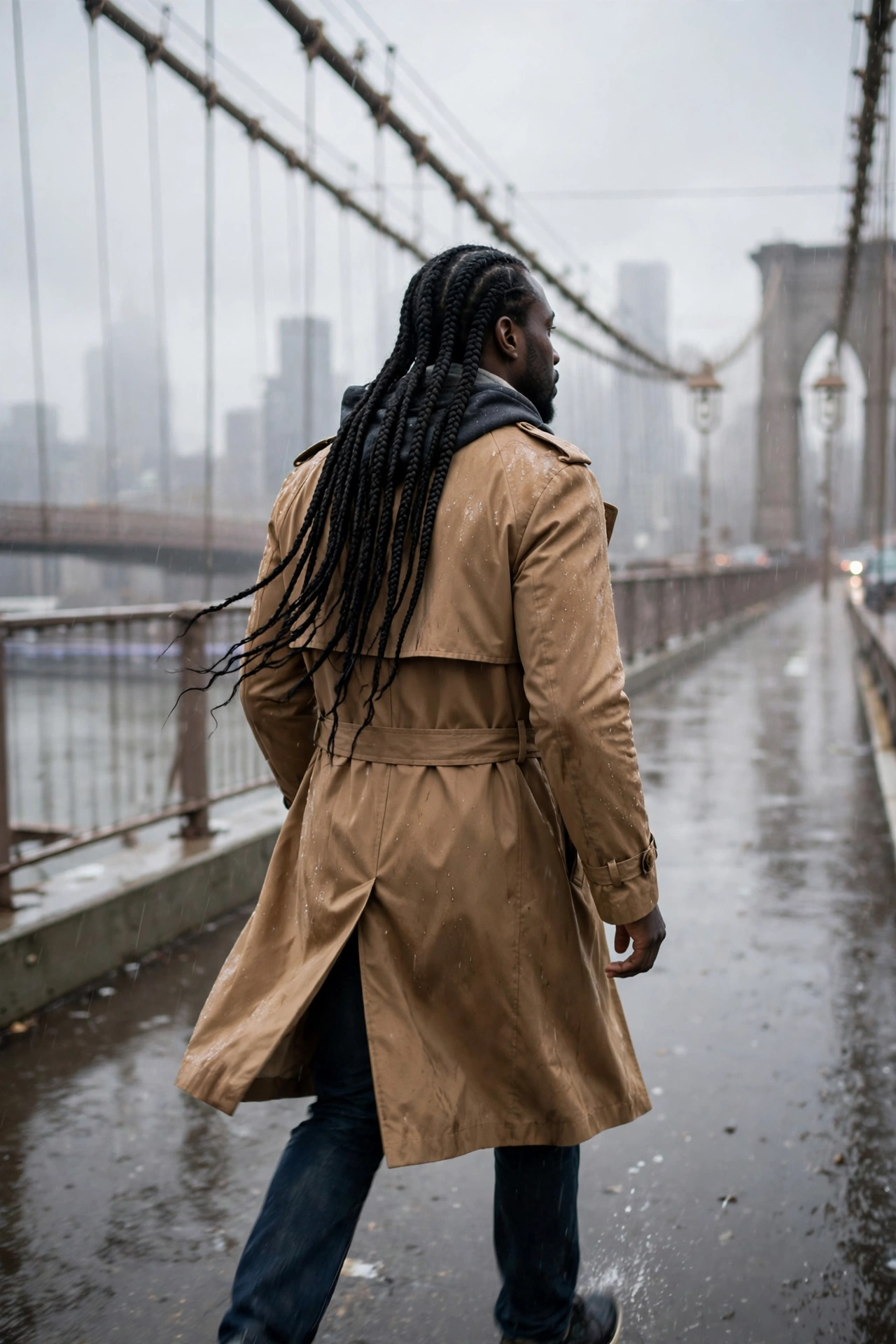
Long braids, whether single plaits, box braids or feed-ins, look dramatic and versatile. They can be tied into buns and ponytails or worn down.
Long braids are heavier, which pulls harder on your roots. Medium or small sections spread the weight better than very thick braids.
🧴 Oil the Scalp, Not the Braid Lengths
Long braids can feel dry at the scalp while the lengths look fine. Apply a light oil to the scalp between parts a couple of times a week, rather than coating the braids, which can attract dirt.
Tie long braids up loosely for sport and sleep. That keeps them from tangling and reduces pulling.
20
OF 25
Braids With a High Taper
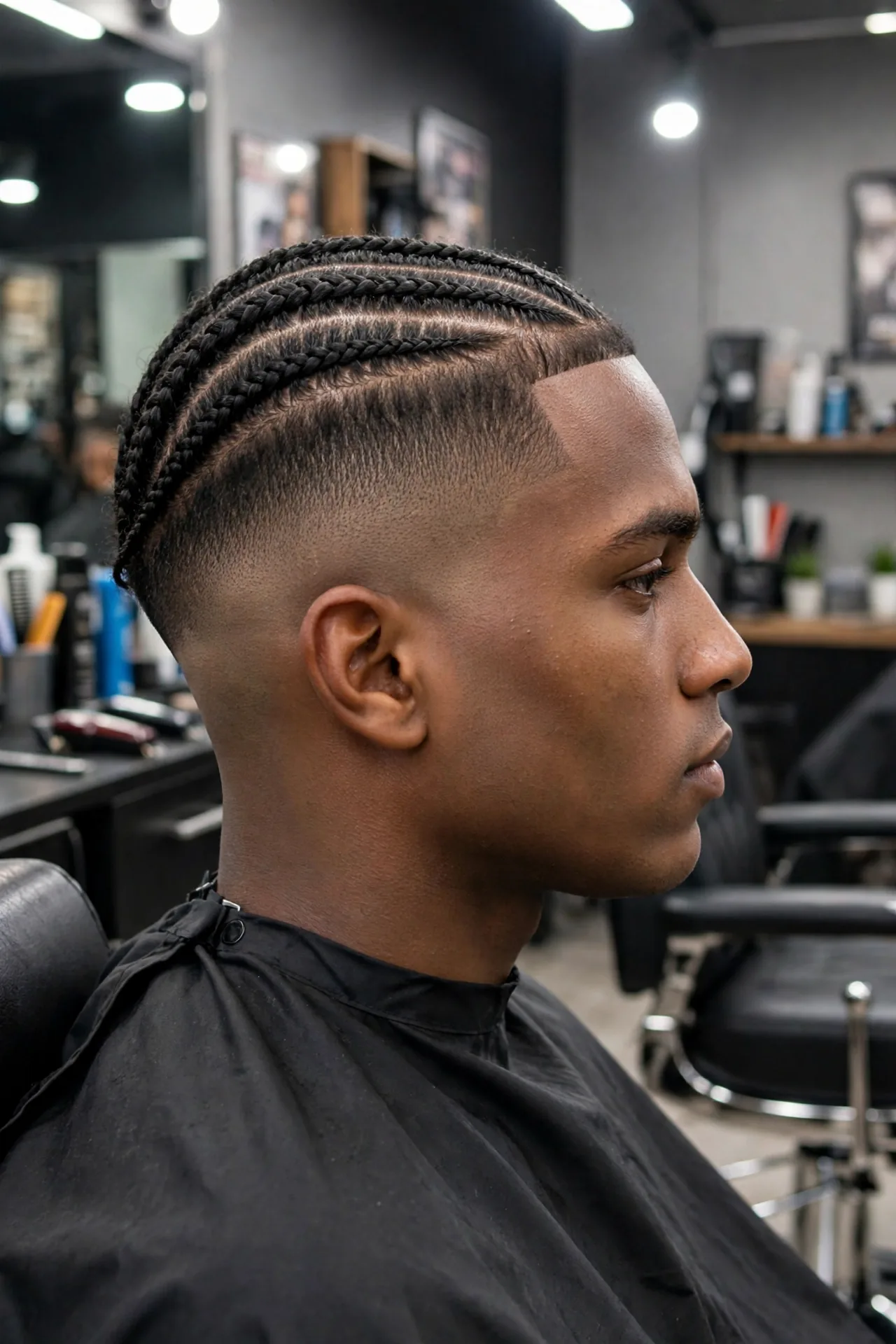
Braids with a high taper keep the braids on top while the sides and back taper sharply up to the braids. The high contrast looks bold and clean.
A front taper, which tapers the hair around the temples and front, adds an extra sharp touch. It frames the face and makes the braids stand out.
🎨
Braids
stitch, straight back
✂️
Sides
high taper
📐
Upkeep
taper every 1 to 2 weeks
The high taper grows out quickly, so you’ll need regular touch-ups. The braids can stay in longer than the taper.
21
OF 25
Cornrows on the Sides With a Loose Top
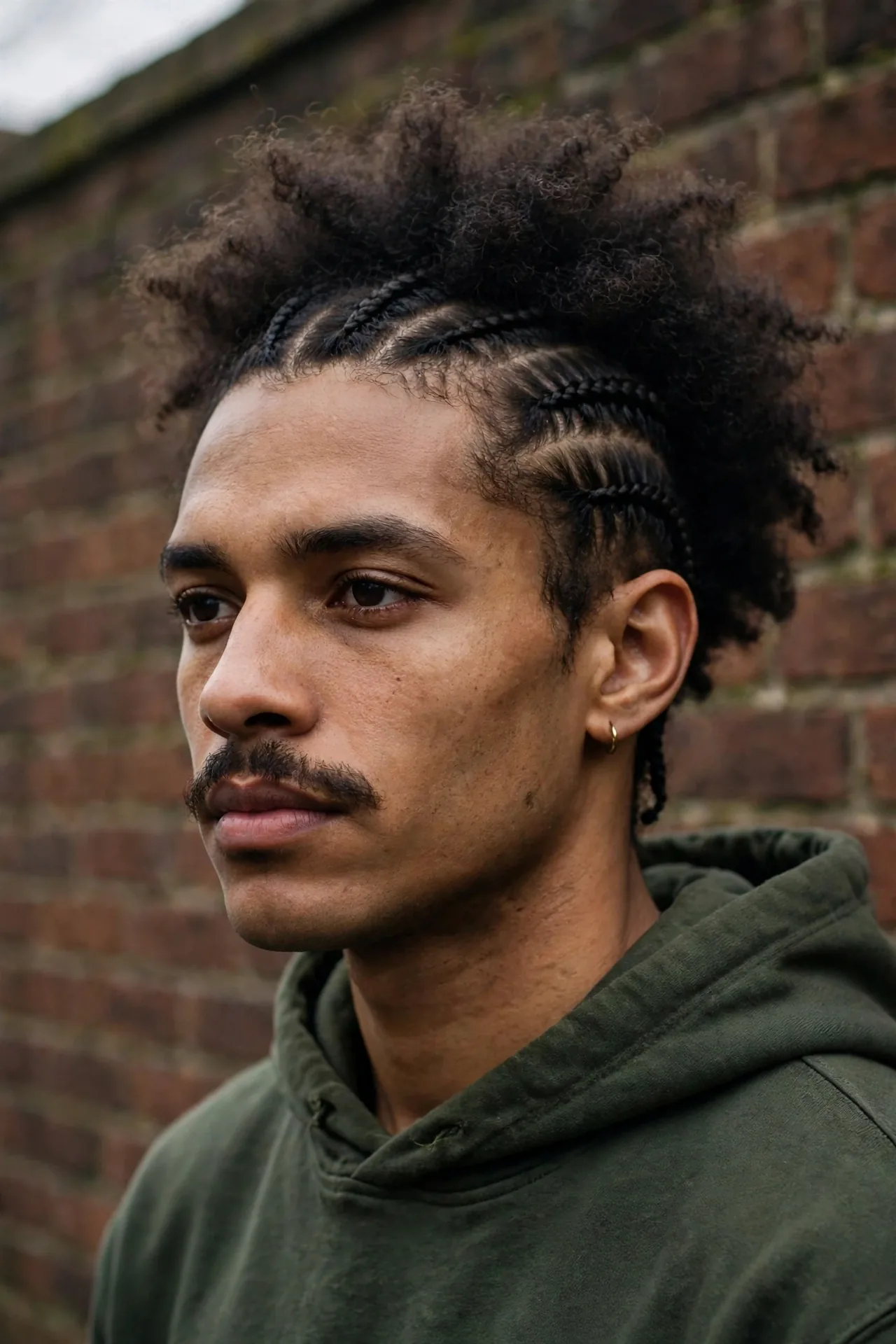
Cornrows on the sides with loose hair on top combine braids and natural texture. It’s a fashion-forward alternative to a fade, with braids instead of short sides.
The loose top can be picked out, shaped into a high top or twisted. The side cornrows keep the look neat around the ears.
⚠️ The Loose Top Needs Extra Moisture
Loose natural hair on top dries out faster than braided hair. Use a leave-in conditioner and seal it with a light oil or butter to keep it soft.
Keep the side cornrows thin and neat for the cleanest look. Two to four rows on each side is common.
22
OF 25
Professional Braids for Work

Neat, thin straight-back cornrows or a low braided ponytail are a polished, professional braided look. Clean parts and a fresh line-up make braids look smart with a suit or shirt.
In many US states, the law protects braids at work and school. According to the NAACP, the CROWN Act, created in 2019, bans discrimination against race-based hairstyles including braids, locs, twists, afros and Bantu knots, and California passed it first that June.
Keep the style neat between appointments. Retouch the edges and line-up regularly so it always looks fresh.
📅 Wear It For
23
OF 25
Cornrows With a Softer Front Line for a Big Forehead
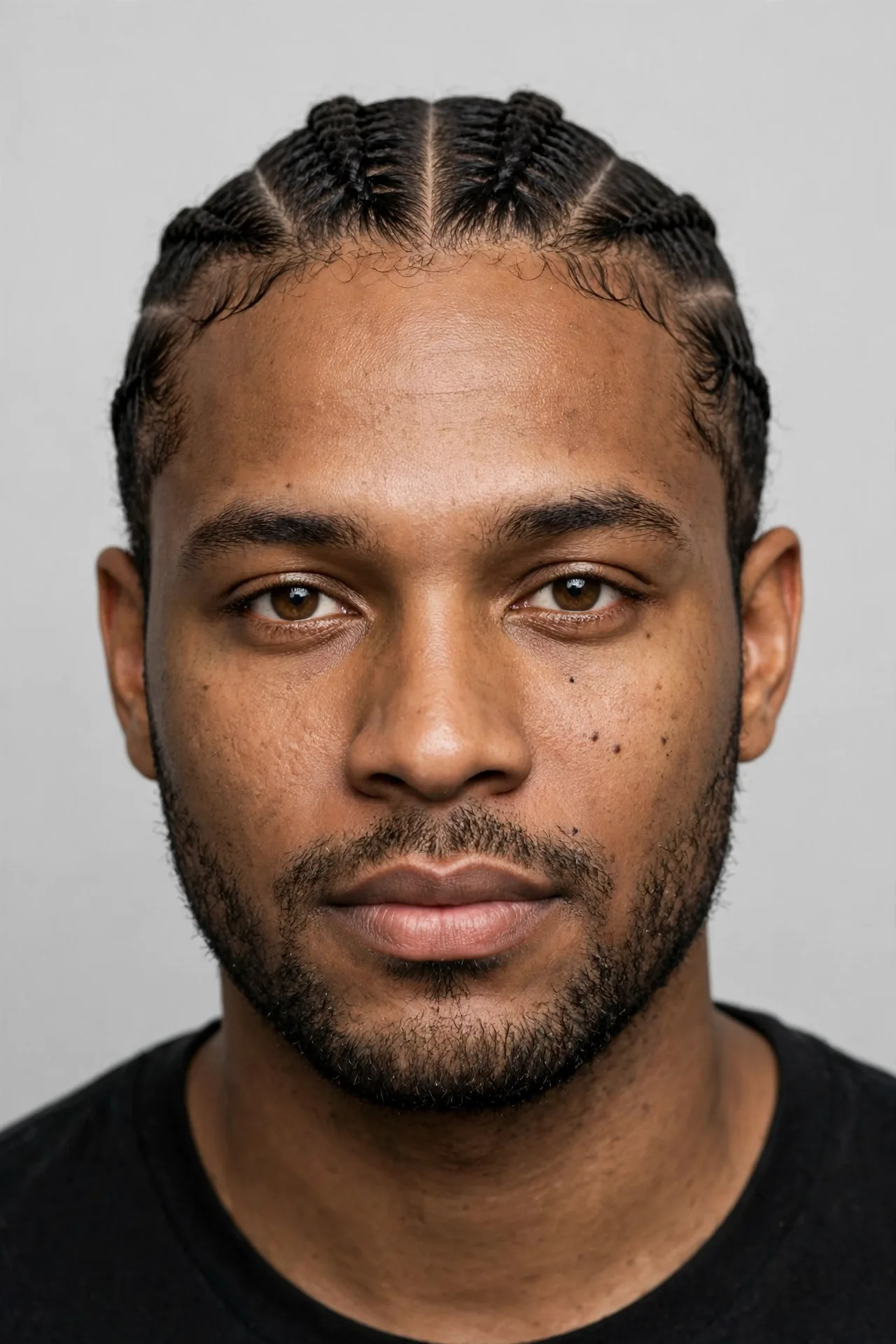
If you have a big forehead, the way your braids start at the front makes a big difference. Braids that start slightly lower, with a natural hairline rather than a sharply pushed-back line-up, can make the forehead look smaller.
Avoid pushing the line-up back to sharpen the edges. That raises your hairline and makes a big forehead look bigger.
📌 Keep Your Natural Hairline When Lining Up
Ask your barber to follow your natural hairline rather than creating a new, higher line. A softer, natural edge frames a big forehead more flatteringly.
Thicker front rows also help balance the face. Very thin rows at the front can draw more attention to the forehead.
24
OF 25
Teen Cornrows
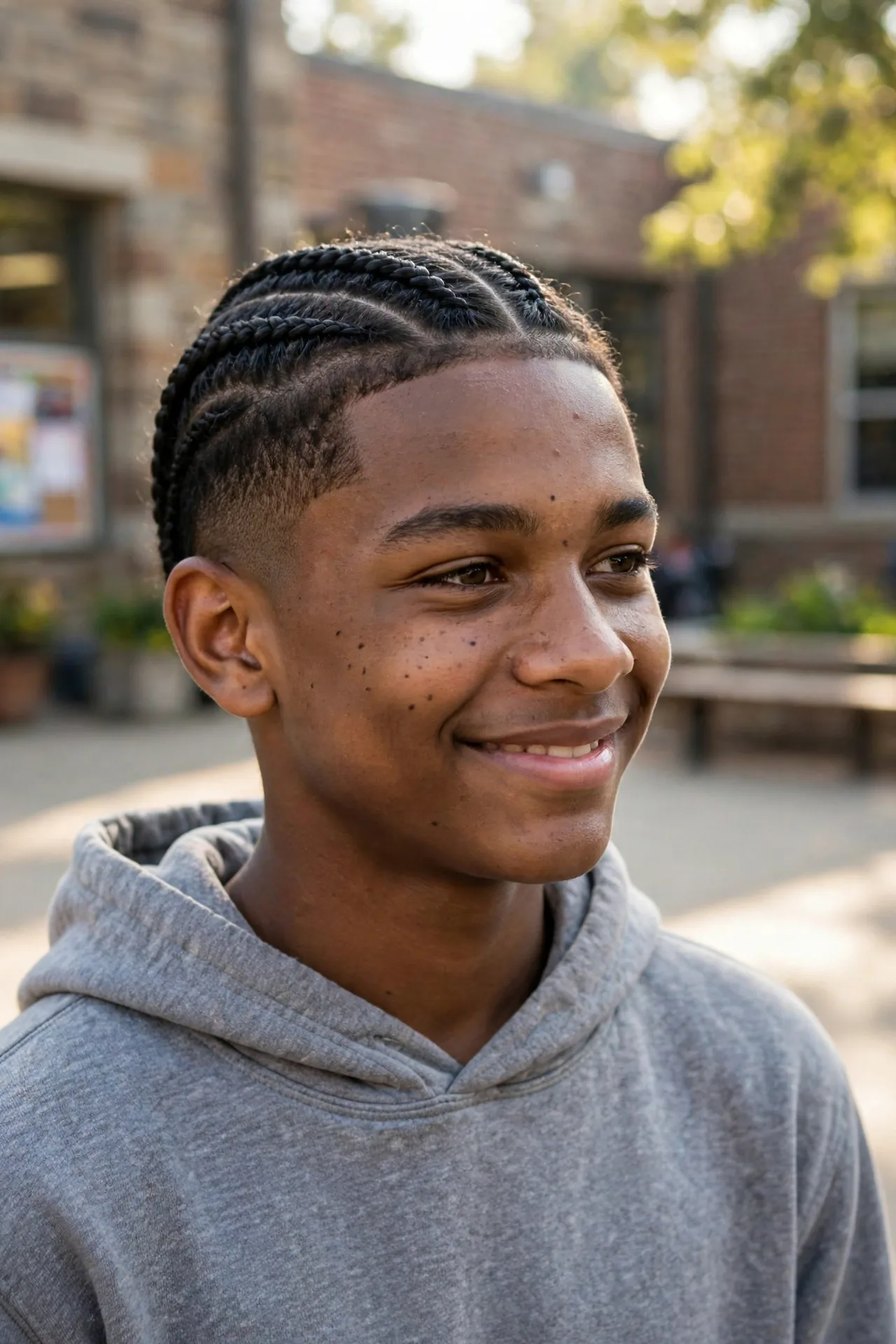
For teens, medium straight-back cornrows with a low fade are a neat, low-effort style for school. They don’t need daily styling, and they protect natural hair while it grows.
Medium rows install faster than thin ones and are gentler on a teen’s hairline. Comfortable tension matters most.
A simple night routine keeps cornrows looking fresh for longer. Here’s an easy one to follow every evening.
Lightly mist your braids with water if they feel dry.
Apply a little light oil to your scalp between the rows.
Smooth down any frizz with your hands, not a brush.
Put on a satin durag or bonnet, tied snugly but not tight.
Sleep on a satin pillowcase if your durag slips off at night.
25
OF 25
Boys’ Cornrows
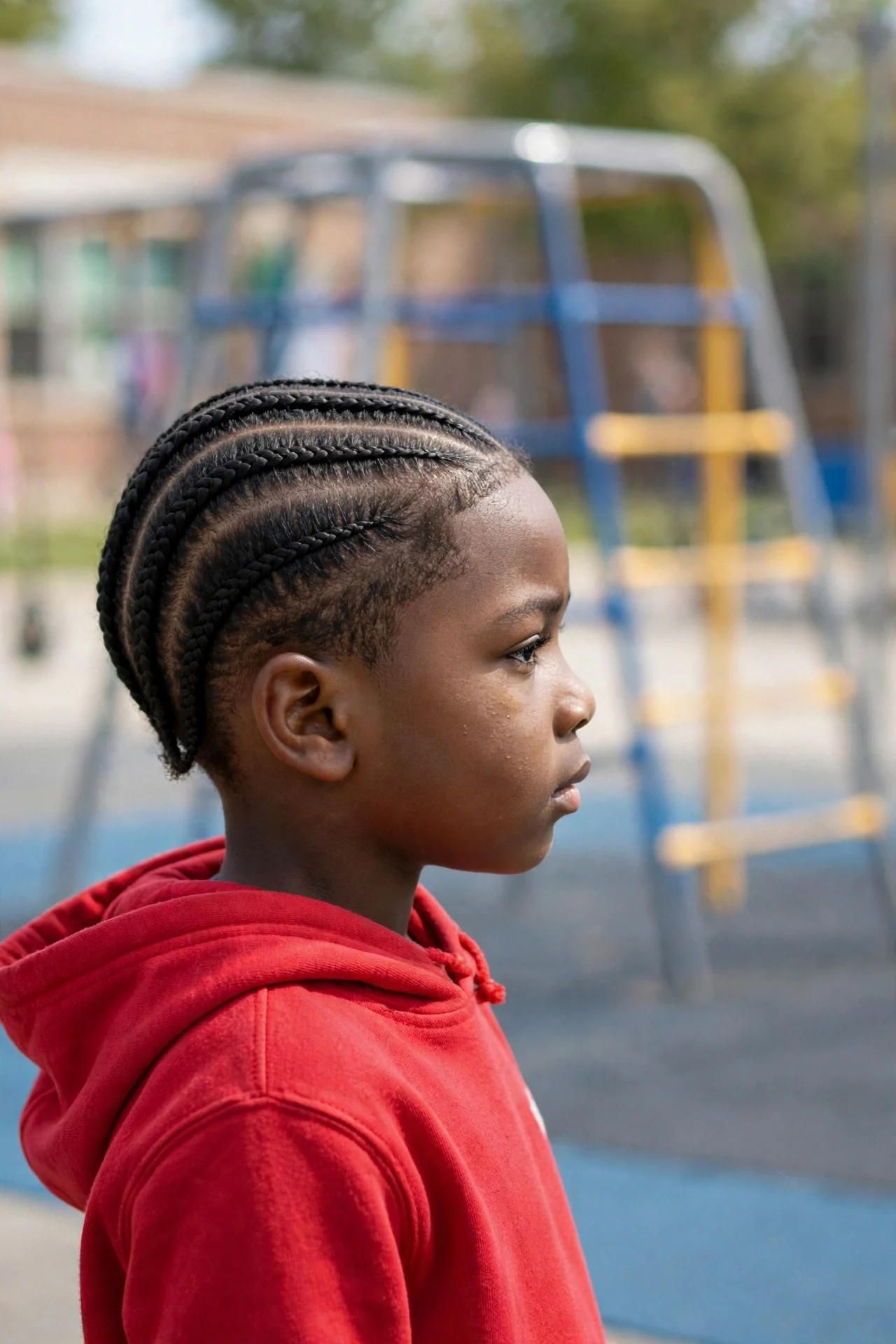
Simple straight-back cornrows are a neat, practical style for younger boys. They keep hair tidy for school and play and can be decorated with a few beads.
Keep the braids loose and comfortable for children. A young scalp is sensitive, and tight braids can hurt and damage the hairline.
Choose a patient braider who works well with children. Short breaks during the appointment help boys stay comfortable.
Which braids would you try first?
FAQs
What braids look best on black men?
Straight-back cornrows, stitch braids, box braids and single plaits are the most popular. The best choice depends on your hair length, face shape and how much time you want to spend on installation.
How long do braids last for black men?
Cornrows and stitch braids usually last about two to four weeks. Box braids and single plaits can last around four to six weeks with good care.
Can you braid short hair?
Yes. Around 2 inches of hair is usually enough for small cornrows, and a braider can add a little braiding hair for grip.
Do braids damage black men’s hair?
They can if they’re too tight, too heavy or kept in too long, which can cause traction alopecia. Keep the tension comfortable and take breaks between styles.
Can you get braids with a fade?
Yes. Cornrows or stitch braids with a low fade, taper or high taper are very popular. The fade needs touch-ups every one to two weeks.
How do you keep braids fresh?
Sleep in a satin durag or bonnet, oil your scalp lightly between rows, and avoid brushing the braids. Refresh the line-up and edges between braid appointments.