How to Cut Sleeves Off Shirts: T-Shirts, Flannels and Denim

Cutting the sleeves off a shirt is one of the quickest ways to turn an old tee or flannel into something new. Done carelessly, though, you end up with a jagged armhole, a shirt that shows too much, or edges that unravel after one wash.
This guide is for men who want clean, intentional cut-offs for the gym, summer or a rugged layered look. It covers what most quick tutorials skip: which fabrics fray and which don’t, how to shorten sleeves versus remove them, how deep to cut the armhole, flannels and button-ups, turning a denim jacket into a vest, sweatshirts, and how to finish the edges so they last.
Quick answer: Lay the shirt flat, mark a line just outside the sleeve seam with chalk, and cut along it with sharp fabric scissors. Cut both sleeves to match by folding the shirt in half. T-shirt knit won’t fray, but flannel and denim will, so hem them or leave a deliberate frayed edge.
Short on Time? Pick Your Path
Table of Contents
- 01Choosing Your Cut and the Tools You Need
- 02How to Cut T-Shirt Sleeves Shorter
- 03How to Cut Sleeves Off a T-Shirt
- 04How to Cut Sleeves Off a Flannel or Button-Up Shirt
- 05How to Turn a Denim Jacket Into a Vest
- 06How to Cut Sleeves Off a Sweatshirt
- 07Finishing the Edges So They Last
- 08Common Mistakes and How to Avoid Them
01
OF 08
Choosing Your Cut and the Tools You Need
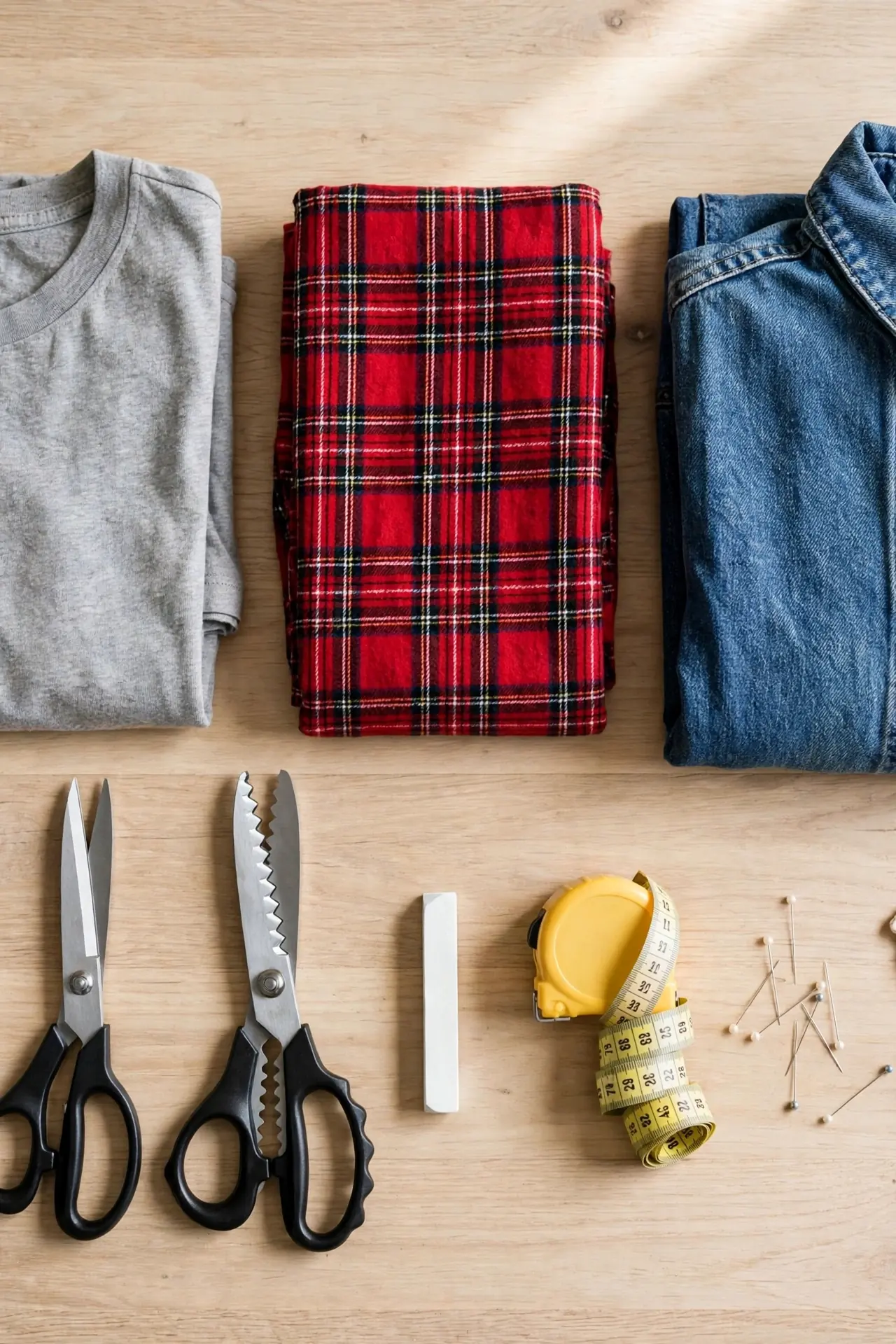
You only need a few tools: sharp fabric scissors, chalk or a washable marker, a measuring tape and a flat surface. Dull kitchen scissors chew fabric and leave ragged edges.
There are four main ways to cut sleeves. Here’s how they compare.
| Cut Style | What You Cut | Best Fabric | Edge Finish | Look |
|---|---|---|---|---|
| Shortened sleeve | Part of the sleeve | T-shirt knit | None needed | Clean, fitted |
| Sleeveless | Whole sleeve at the seam | T-shirt, flannel | None on knit, hem on woven | Classic tank |
| Muscle tee | Sleeve plus a lower armhole | T-shirt knit | None needed | Gym, relaxed |
| Cut-off vest | Sleeves off a jacket | Denim, canvas | Fray or hem | Rugged |
Before picking a cut, check what the shirt is made of. The fabric matters more than the style you choose.
📌 T-Shirts Don’t Fray, Flannels and Denim Do
Gala Fabrics explains that “a woven fabric along the cut edge will fray, while a knit will not.” T-shirt jersey is a knit, while flannel, button-up shirts and denim are wovens.
That one fact decides how much finishing work you need. Knit tees can be cut and worn; woven shirts need a hem or a planned frayed edge.
02
OF 08
How to Cut T-Shirt Sleeves Shorter
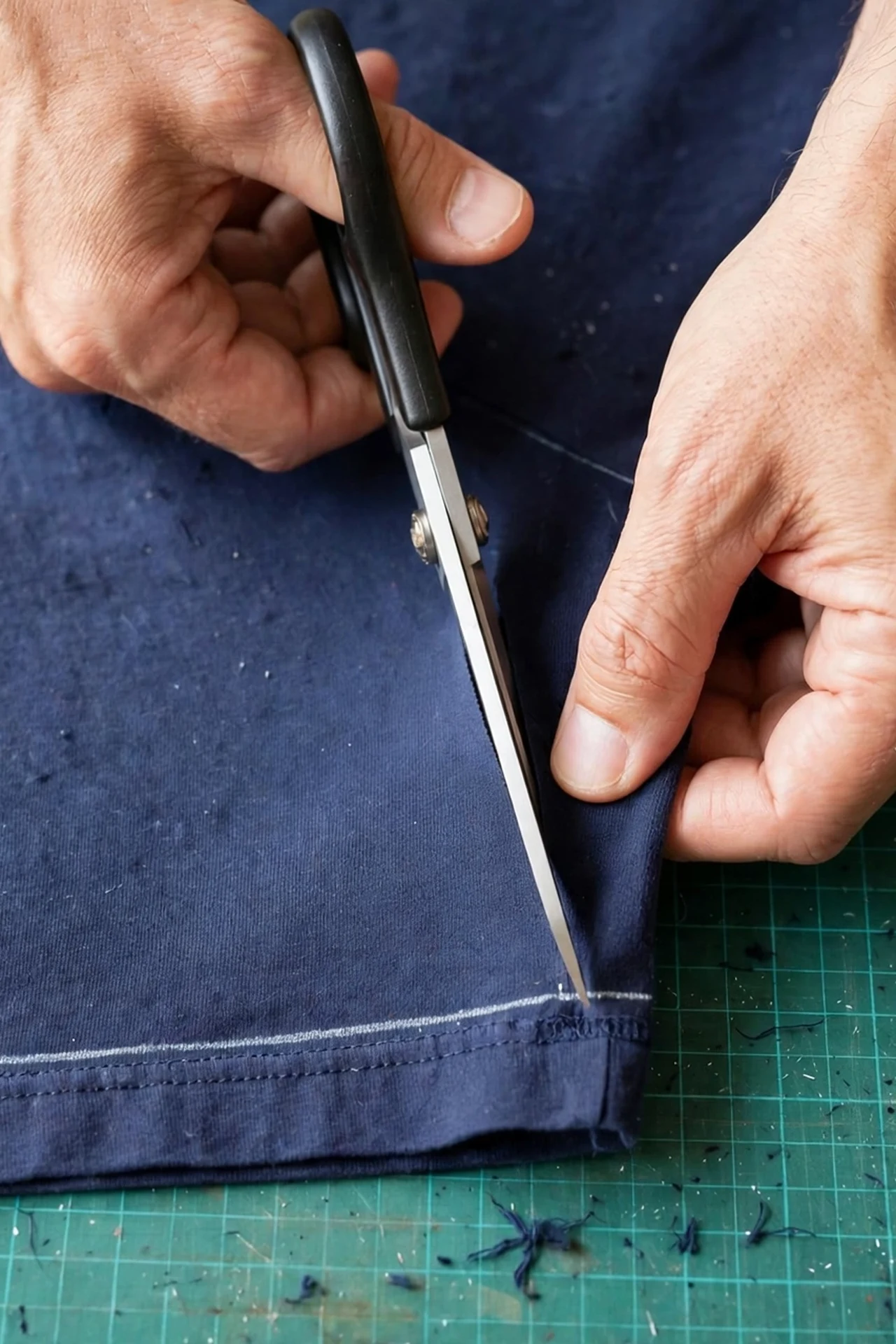
Shortening sleeves gives a tee a more fitted, muscular look. It works best on sleeves that hang past the middle of your bicep.
Because jersey knit doesn’t fray, you can leave the new edge raw. It will curl slightly after washing, which looks soft and casual.
Put the tee on and mark where you want the sleeve to end, usually mid-bicep.
Take it off and lay it flat, smoothing out wrinkles.
Draw a straight chalk line across the sleeve at your mark.
Cut along the line through one layer at a time.
Fold the shirt in half lengthwise and use the cut sleeve as a guide for the other.
Wash once to let the edges settle and curl.
Trim in small amounts and try the tee on between cuts. Here’s the difference a good trim makes.
BEFORE:
Long, loose sleeves hanging past the bicep, which make the arms look thin and the tee look baggy.
AFTER:
Sleeves trimmed to mid-bicep with a soft raw edge, which look fitted and sharper.
03
OF 08
How to Cut Sleeves Off a T-Shirt

Removing the sleeves entirely turns a tee into a sleeveless shirt. Cutting just outside the seam keeps the shoulder neat; cutting inside the seam makes a wider, more relaxed armhole.
For a muscle tee, cut a little lower under the arm. That opens the armhole for more movement in the gym.
Lay the tee flat and smooth it out.
Mark a line just outside the sleeve seam, from the top of the shoulder to under the arm.
For a muscle tee, extend the line about an inch or two lower under the arm.
Cut through the front and back separately along the line.
Fold the shirt in half and match the second side to the first.
Try it on and trim a little more if needed.
The armhole depth is where most people go wrong, so take it slowly.
⚠️ Where Cut-Off Armholes Go Too Deep
Cutting the armhole down to the waist exposes the side of your chest and ribs. Start an inch or two below the armpit and go lower only after trying it on.
Cut less than you think you need. You can always take more off, but you can’t put it back.
04
OF 08
How to Cut Sleeves Off a Flannel or Button-Up Shirt
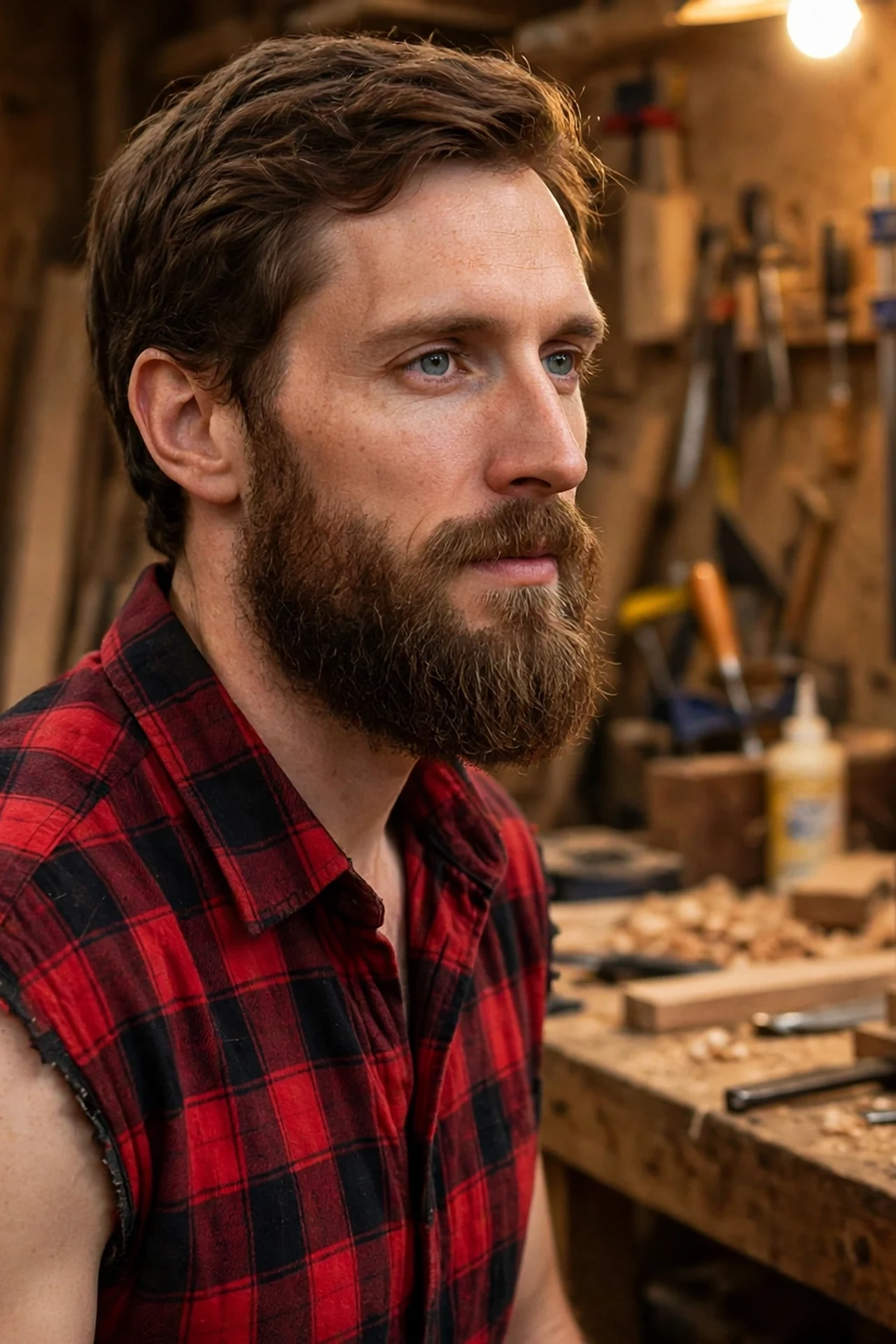
Flannel and button-up shirts are woven, so their cut edges fray. You’ll need to hem them or deliberately fray them for a rugged look.
Leave about an inch of extra fabric beyond the seam if you plan to hem. That gives you enough to fold under neatly.
Lay the shirt flat, buttoned up, with the sleeves spread.
Mark a line about an inch outside the sleeve seam.
Cut along the line, one sleeve at a time.
Fold the raw edge under twice, about half an inch each time.
Pin it in place and stitch by hand or machine.
For a frayed look instead, skip the hem and wash to loosen the threads.
A hand-stitched hem takes longer but looks neater than a rushed machine line. Press the fold with an iron first so it stays put while you sew.
Skip It If the Shirt Is Expensive or Tailored
Cutting a good dress shirt or tailored flannel ruins its value. Practise on an old or second-hand shirt first.
05
OF 08
How to Turn a Denim Jacket Into a Vest

A denim jacket with the sleeves cut off makes a classic rugged vest. Denim is thick and woven, so it frays nicely when washed.
Cut just outside the sleeve seam to keep the armhole’s shape. The seam itself helps stop the fray from creeping too far into the body.
Turn the jacket inside out to see the sleeve seams clearly.
Mark a line about half an inch outside each sleeve seam.
Cut carefully with sharp, heavy-duty scissors.
Turn it right side out and try it on.
Wash and dry it to start a soft, frayed edge.
Each wash loosens a few more threads, so the fray grows over time. If you want to limit it, stitch a line before the first wash.
💬 Stitch a Line to Stop the Fray
On the community craft site Cut Out + Keep, one maker zigzag-stitched about an inch from the arm seams for a frayed look that won’t keep unravelling. Fabric glue along the seam is another option.
06
OF 08
How to Cut Sleeves Off a Sweatshirt
Sweatshirts are knit, so they don’t fray much when cut. You can shorten them to short sleeves or cut them off entirely for a sleeveless gym top.
Cut below the ribbed cuffs to shorten the sleeves, or along the seam to remove them. Thick fleece edges stay neat without hemming.
🎨
Fabric
knit fleece
✂️
Cut
below the cuff or at the seam
📐
Finish
none needed
Cut a little wider than you think, because thick fleece is snug once the cuff is gone. Try it on before you trim further.
💡 The “Every Cut Edge Will Unravel” Myth
Myth: Any shirt you cut will fall apart at the edges.
Reality: Knits like t-shirt jersey and sweatshirt fleece don’t fray. Only woven fabrics like flannel, button-ups and denim unravel.
07
OF 08
Finishing the Edges So They Last
Knit edges can be left raw, but woven edges need a finish. A neat hem looks cleanest, while a deliberate fray looks rugged.
Seamstress Doina Alexei calls pinking shears “a great technique both functionally and aesthetically,” but notes the method may not hold up to long-term wear and washing on apparel. A sewn hem is the most durable option for clothes you wash often.
✅ Do This
Hem woven edges with a simple double fold, or stitch a line just inside the cut to control the fray.
🚫 Skip This
Don’t rely on fusible hem tape for shirts you wash often, because it can come undone after repeated washing.
Doina Alexei also warns that iron-on hem tape “can add some stiffness” and suits crafts better than clothing. For t-shirts, gently stretching the cut edge helps it roll into a soft, clean finish.
💡 Stretch Knit Edges for a Clean Roll
After cutting a t-shirt, pull the raw edge gently along its length. The knit rolls inward into a neat, soft finish.
08
OF 08
Common Mistakes and How to Avoid Them
Most ruined cut-offs come from cutting both layers at once, rushing, and going too deep. A little care avoids all three.
Cutting Through Both Layers at Once:
Cutting the front and back together often makes uneven, slanted edges. Cut one layer at a time, following your chalk line.
Another mistake is not matching the sleeves. Always fold the shirt in half and use the first cut side as a template for the second.
✅ Copy This Clean Cut-Off Gym Tee
- Old cotton tee one size up
- Chalk line just outside the sleeve seam
- Armhole an inch below the armpit
- Sharp fabric scissors
- One wash to soften the edges
Work on a hard, flat surface and keep your fingers clear of the blades. Sharp scissors are safer than dull ones because they need less force.
What will you cut first?
FAQs
How do you cut sleeves off a t-shirt neatly?
Mark a chalk line just outside the sleeve seam, cut one layer at a time with sharp scissors, then match the other side by folding the shirt in half.
Will a t-shirt fray if I cut the sleeves off?
No. T-shirt jersey is a knit and won’t fray; the edges just curl slightly after washing.
How do you cut sleeves off a flannel without it fraying?
Leave an inch beyond the seam, then fold the edge under twice and stitch a hem.
How do you cut t-shirt sleeves shorter?
Mark the new length around mid-bicep, cut straight across, and use the first sleeve as a guide for the second.
How deep should a muscle tee armhole be?
Start about an inch or two below the armpit. Go lower only after trying it on.
How do you turn a denim jacket into a vest?
Cut about half an inch outside the sleeve seams, then wash it to fray the edges or stitch a line to control the fray.