17 Men’s Beard Oil Blends to Mix at Home: Simple Recipes Inside

Your beard is only as good as the skin under it. Let that skin dry out and you get the itch, the flakes, and those wiry hairs that poke out no matter how sharp the trim is. A few drops of the right oil sort out more of that than most blokes expect.
And you don’t need to spend a fortune on it. Beard oil is about the easiest grooming product there is to make at home.
Below you’ll find 17 blends I’d actually recommend, from a simple cedarwood mix to unscented, anti-itch, summer and grey-beard oils, plus a solid balm. Each one comes with a recipe, who it’s for, and how to use it.
Short on Time? Pick Your Path
Table of Contents
- 01Classic Cedarwood and Sweet Orange Beard Oil
- 02Unscented Jojoba Beard Oil
- 03Argan and Jojoba Beard Oil for a Dry, Coarse Beard
- 04Lightweight Grapeseed Beard Oil for Oily Skin
- 05Sandalwood and Vetiver Beard Oil
- 06Tea Tree and Peppermint Beard Oil for Itch and Beardruff
- 07Rosemary and Castor Beard Growth Oil
- 08Fractionated Coconut Beard Oil for Hot Weather
- 09Rose Geranium and Sandalwood Beard Oil
- 10Moringa and Hemp Seed Beard Oil
- 11Sweet Almond Beard Oil for a Grey or White Beard
- 12Lavender and Chamomile Beard Oil for Razor Burn
- 13Bergamot and Lemon Beard Oil for Daytime
- 14Pine and Fir Needle Beard Oil for Winter
- 15Light Beard Oil for a Teen’s First Facial Hair
- 16Herbal Infused Beard Oil With Marshmallow Root
- 17Solid Beard Oil Balm With Shea and Beeswax
01
OF 17
Classic Cedarwood and Sweet Orange Beard Oil
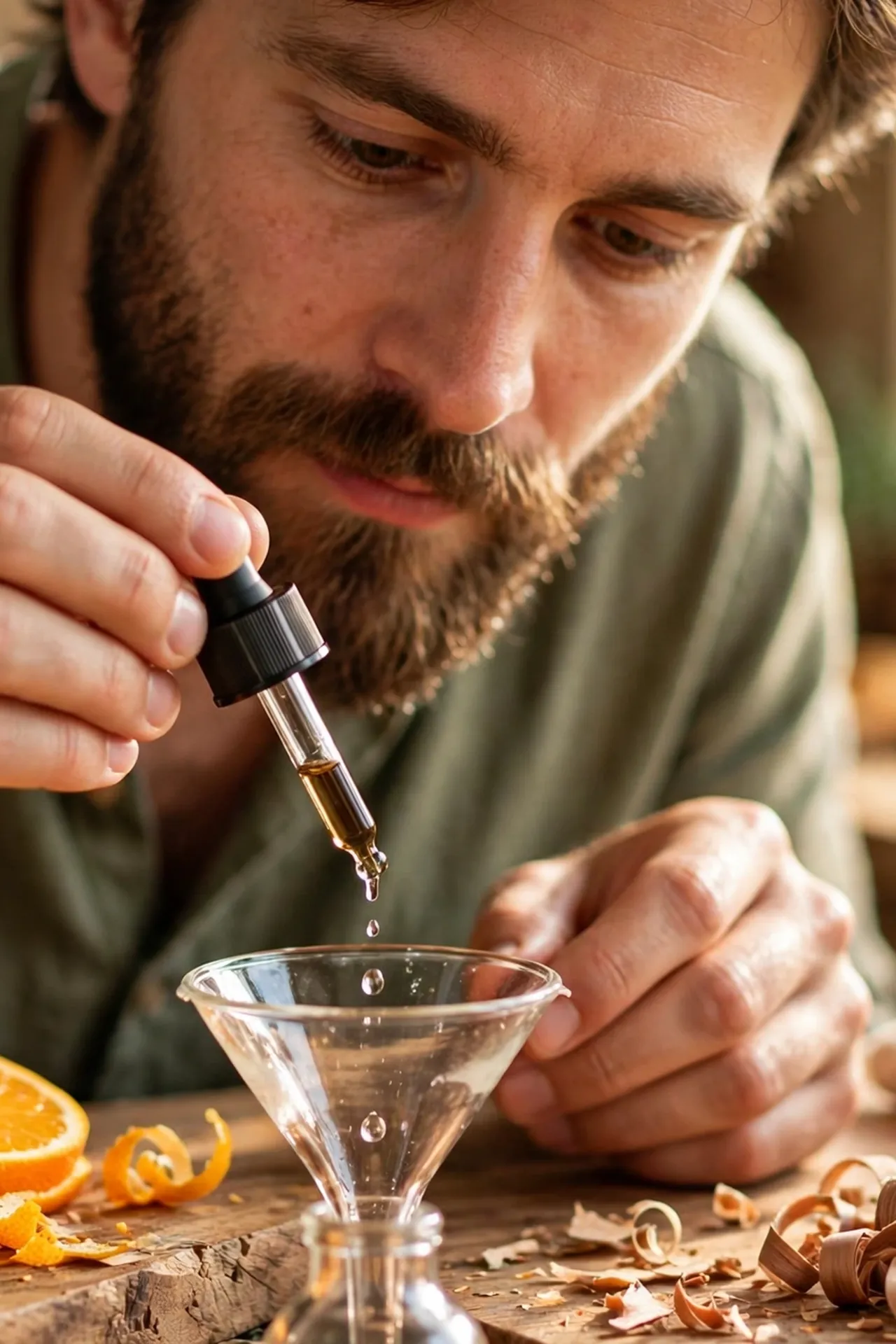
If you’ve never made beard oil before, start here. Jojoba keeps it light. Cedarwood gives it a dry, woody warmth, and a bit of sweet orange on top stops it smelling like a garden shed.
It works on pretty much any beard, any day of the week. Up close you’ll smell it for the first hour or so, then it settles into something faint and clean.
Making Your First Bottle
Grab a 30 ml dark glass dropper bottle and a small funnel. The dark glass matters more than people think, because light breaks oils down and they go off quicker in a clear bottle.
Poured into a dark bottle with a handwritten label, a blend like this also makes a thoughtful budget Valentine’s gift for him.
Fill the bottle about two-thirds with jojoba oil.
Top it up with argan oil, leaving a small gap at the neck.
Add 4 drops of cedarwood essential oil.
Add 2 drops of sweet orange essential oil.
Cap the bottle and roll it gently between your palms to mix.
Patch-test a drop on your inner arm and wait 24 hours before using it on your face.
That’s roughly 1% essential oil. Sounds weak, I know, but this is going on your face every single day. Want it stronger?
Add a drop or two. Don’t double it.
Go on any beard forum and you’ll see people using a lot more, anything from 12 to 20 drops per ounce. Fair enough. But the lesson that keeps coming up is that one oil can take over the whole bottle, and I found that out myself when I doubled the rosemary by mistake.
The smell was far too much. Adding a drop later is easy; rescuing an overpowering batch isn’t. Cedarwood also splits people down the middle (some love that pencil-shaving smell, some can’t stand it), so sniff it on its own before you commit.
My own everyday mix is even simpler than this: half jojoba, half sweet almond, and sometimes a splash of argan. Three or four drops after a shower, once the beard’s towel-dried. That’s it.
02
OF 17
Unscented Jojoba Beard Oil
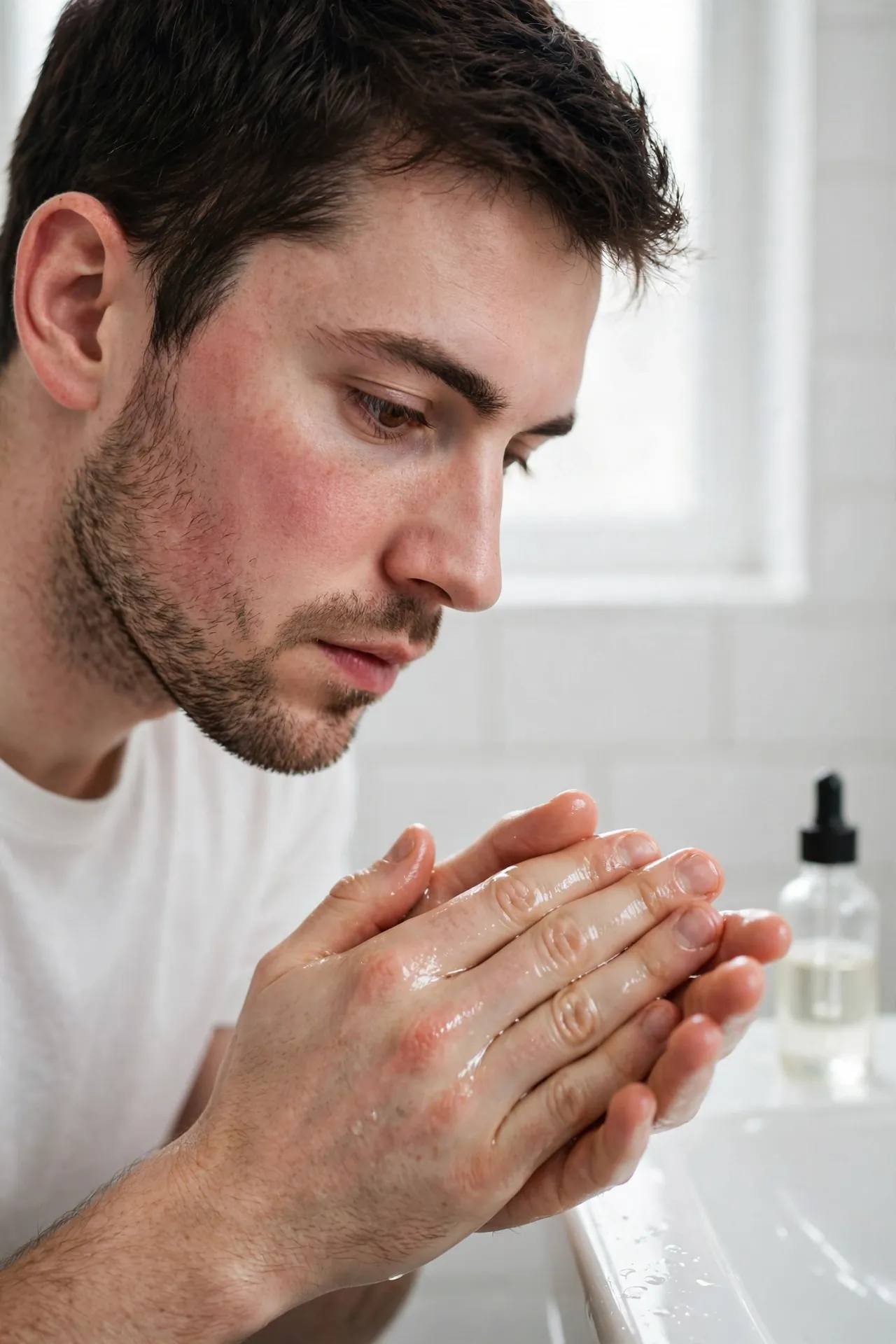
No essential oils at all. If your skin flares up easily, if pollen gets to you, or if you’d rather your beard didn’t fight with your aftershave, this is the one.
There’s another reason people go unscented, and it’s a fair one. Beard oil sits right under your nose all day. Something that smells lovely in the bottle at 8 a.m. can be getting on your nerves by three.
Plain jojoba does the job on its own. It’s close to the oil your skin already makes, so it sinks in fast and doesn’t leave you shiny.
Applying It So It Reaches the Skin
Here’s where most men go wrong: they wipe the oil over the top of the beard and call it done. The skin underneath is what actually needs it. Put it on after a shower, when everything’s warm and a bit damp.
Towel-dry your beard until it’s damp, not dripping.
Put 3 to 5 drops in your palm for a short beard, or 6 to 8 for a longer one.
Rub your palms and fingers together to spread it.
Massage it into the skin under the beard with your fingertips, moving upward.
Smooth the rest down the length of the beard.
Comb or brush it into place.
Once a day is plenty. Twice if the weather’s brutal. If your beard still feels greasy a few hours later, you’ve used too much.
03
OF 17
Argan and Jojoba Beard Oil for a Dry, Coarse Beard
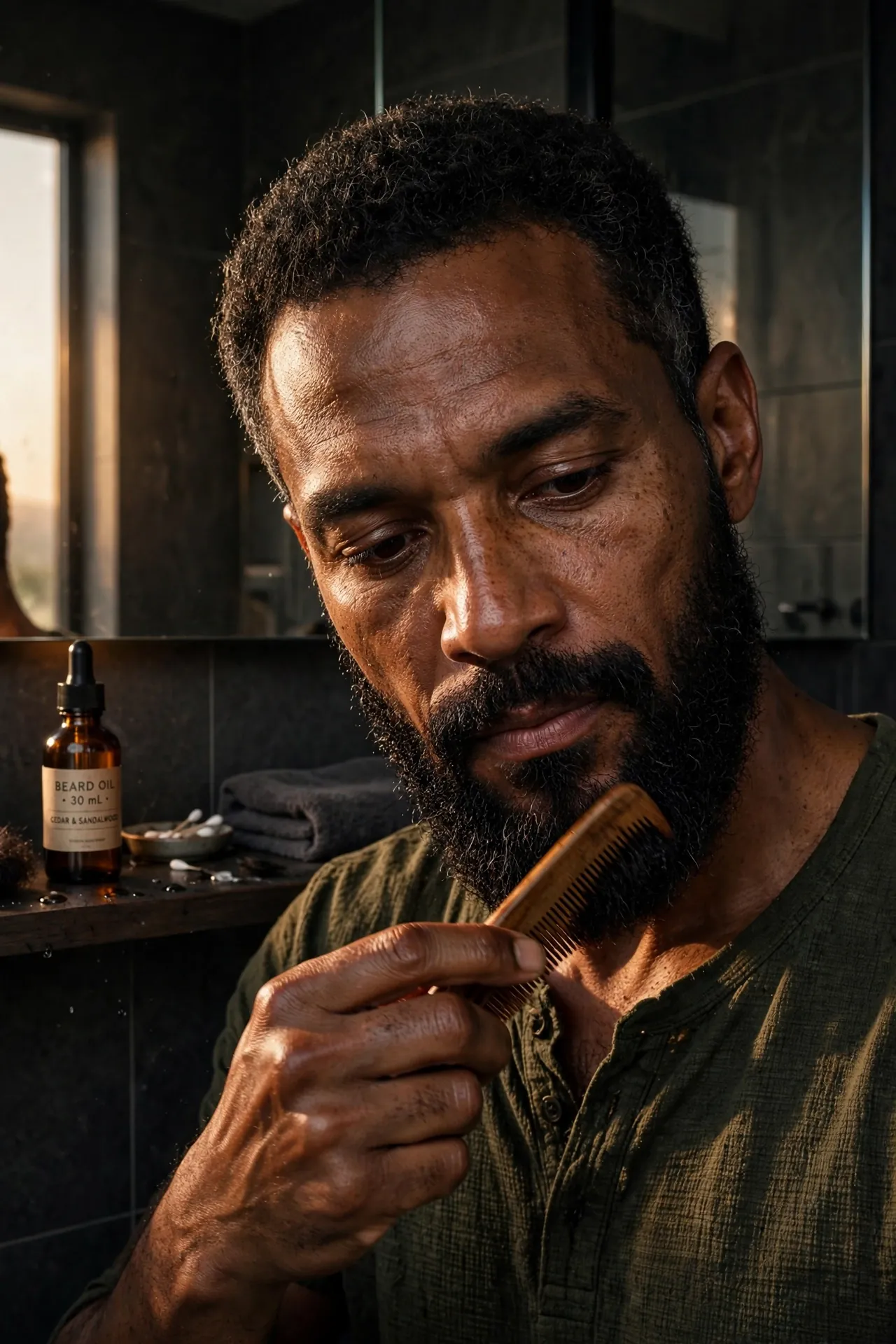
Coarse beards are thirsty. They frizz, they feel like wire wool by February, and they need a bit more than plain jojoba.
Argan’s richer, so it calms the wiry bits and the split ends. On its own it can feel heavy, though, which is why I’d cut it half-and-half with jojoba.
| Carrier Oil | Texture | Best for |
|---|---|---|
| Jojoba | Light, absorbs fast | All beards, oily skin |
| Argan | Medium, softening | Dry, coarse beards |
| Grapeseed | Very light | Oily skin, hot weather |
| Sweet almond | Medium, smooth | Dry skin (avoid with nut allergy) |
| Castor | Thick, sticky | Small amounts only |
| Fractionated coconut | Light, liquid | Non-greasy finish |
The recipe’s simple: 15 ml argan, 15 ml jojoba, and either no scent or a few drops of cedarwood. Use it after every shower and comb it right through to the ends.
Jojoba’s the oil you’ll see recommended most on the long-running beard forums, and the advice you’ll read over and over is “less is more”. If your beard looks wet or glossy after you’ve put it on, that’s too much. Blot it with a towel and you’re fine.
Where to Buy Carrier Oils in Manchester
Round here, jojoba and argan are easy to pick up at Holland & Barrett or Boots. Expect to pay something like £13 for 100 ml of jojoba. Etsy’s often cheaper, but quality’s hit and miss, so make sure it says cold-pressed or golden jojoba.
Coconut oil? Any supermarket.
Mustard oil you’ll find at the Asian grocers along the Curry Mile in Rusholme. In the UK those bottles usually say “for external use only”, and it can irritate skin, so I’d keep it out of anything you’re putting on your face every day.
04
OF 17
Lightweight Grapeseed Beard Oil for Oily Skin
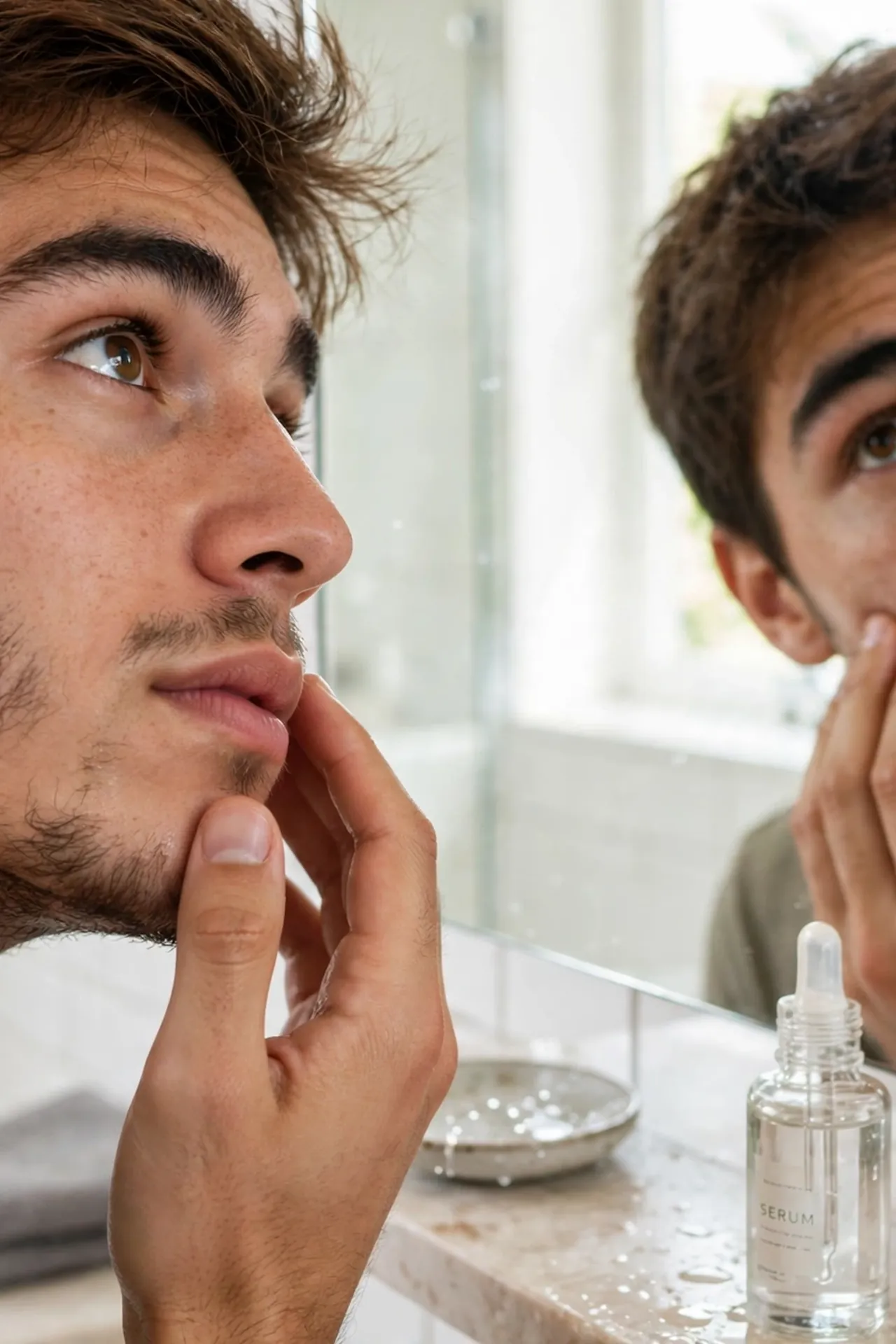
Greasy by lunchtime already? Then a heavy oil is the last thing you need. Grapeseed is about as light as carrier oils get, so the beard softens up without that slick film.
Add a little jojoba and it hangs around a bit longer without getting heavy. Leave the coconut and castor on the shelf for this one.
🎨
Base
grapeseed + jojoba
✂️
Amount
2–3 drops only
📐
When
evenings
Put it on at night, not in the morning. That way it’s soaked in before you leave the house. For a short beard, two or three drops really is enough.
Dermatologists tend to flag almond and coconut oil as the likelier ones to clog pores, so skip both if you break out. And when you’re starting, go every other day, or every third, and see how your skin takes it before you make it a daily thing.
05
OF 17
Sandalwood and Vetiver Beard Oil

This one smells like a proper old-school men’s fragrance. Sandalwood is smooth and creamy; vetiver brings something earthier, almost smoky, underneath.
Save it for evenings, dinners and the colder months. Both oils are strong, so you’ll use less than you think.
Mix 30 ml of jojoba with 3 drops of sandalwood and 2 of vetiver. Real sandalwood isn’t cheap, which is why a lot of people use Australian sandalwood instead. Easier to find, kinder on the wallet.
Why Indian Sandalwood Became So Rare
Indian sandalwood has been used in India for perfume, incense and religious rituals for thousands of years. Heavy harvesting over the centuries made the trees scarce, and the species is now listed as vulnerable by the IUCN, with trade tightly controlled.
06
OF 17
Tea Tree and Peppermint Beard Oil for Itch and Beardruff

Flakes on your collar. Scratching your chin in meetings. That’s beardruff, and nine times out of ten it’s just dry skin under the hair.
Tea tree has natural antimicrobial properties, and peppermint gives you that cooling hit that takes the edge off the itch. Use 30 ml of jojoba, 3 drops of tea tree, 1 drop of peppermint. Work it into the skin, not just the hair, because that’s where the flaking starts.
⚠️ Peppermint Burns at High Doses
Go heavy with peppermint or tea tree and your skin will tell you about it. One or two drops of peppermint per 30 ml, no more, and stop straight away if it stings or goes red.
Still flaky after a few weeks? Wash the beard with an anti-dandruff shampoo twice a week. And if the redness and flaking just won’t shift, get a doctor to have a look, because it might be a skin condition rather than plain dryness.
07
OF 17
Rosemary and Castor Beard Growth Oil
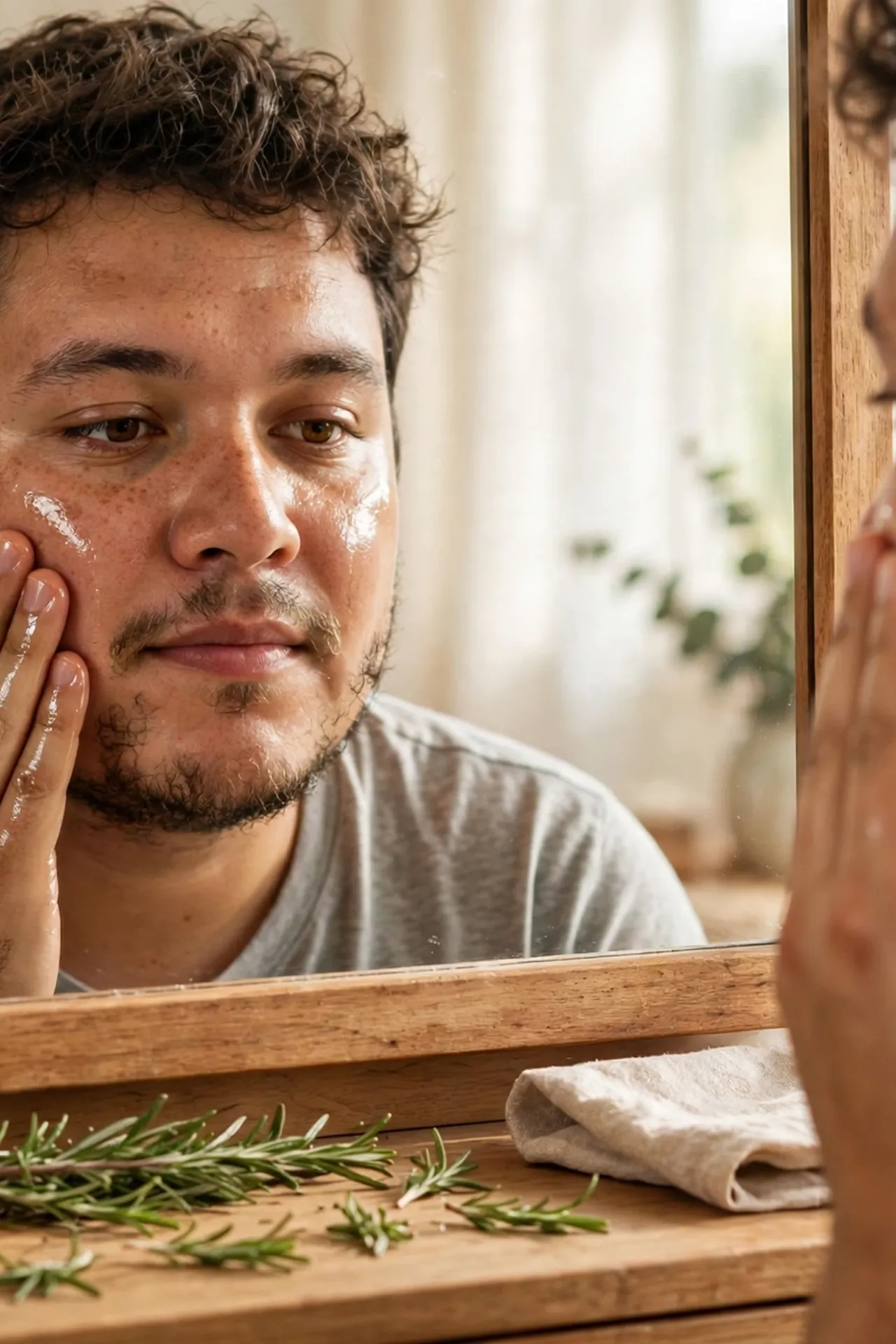
Most “growth oils” are some mix of thick castor oil and rosemary or peppermint. Plenty of brands claim they strengthen follicles and kick-start growth.
Here’s the honest bit. Rosemary oil has a little research behind it for scalp hair, and almost none for beards. A growth oil keeps the skin in good nick and can make a thin beard look softer and a touch darker, but it can’t build follicles that aren’t there.
What Actually Decides Beard Growth
Mostly, it’s your genes and how your follicles react to hormones. That’s why one lad has a full beard at 20 and his mate still can’t fill in his cheeks at 35.
💡 The “Oil Grows a Beard” Myth
Myth: The right beard oil will make your beard grow faster and fill in patches.
Reality: No oil has been proven to grow beard hair. Time, genetics and a good cut that works with your patches make the biggest difference; for medical options, talk to a doctor.
Still want to give it a go? Mix 27 ml jojoba, 3 ml castor and 3 drops of rosemary.
Keep the castor low. It’s thick, sticky stuff.
I say that from experience. I once put castor in at about 20% of the blend and my beard stayed tacky for hours. It’s the number one complaint you’ll see from people who make their own, too.
Keep it around 10% and you won’t have the problem. You’ll also hear that rosemary or sage darkens a beard, but I haven’t seen anyone actually report it happening.
08
OF 17
Fractionated Coconut Beard Oil for Hot Weather

When it’s hot and muggy, a heavy oil just turns into a sticky mess and traps the sweat. Fractionated coconut stays runny, soaks in fast and barely shines.
Don’t confuse it with the tub of coconut oil in your kitchen. That stuff’s heavier and more likely to clog pores. The fractionated version is a different animal.
People who’ve tried regular coconut oil in a homemade blend usually say the same two things: it went solid in the bottle on a cold morning, and the sweet smell clashed with anything woody. Fractionated sorts out both. If you’re prone to spots, though, I’d still give it a miss.
✅ Do This
Use 2 to 3 drops in the evening, when your skin isn’t sweating.
🚫 Skip This
Applying a thick layer before heading out into the sun.
I think of beard oil a bit like clothes. Lighter stuff and fewer drops in summer, something richer like argan when it’s cold. Some people add a drop or two of tea tree or peppermint in the heat for a cooling feel, and that’s fine as long as you keep it that low.
Fractionated coconut has no smell of its own, so a drop or two of sweet orange is all it needs. Keep it simple when it’s hot.
09
OF 17
Rose Geranium and Sandalwood Beard Oil
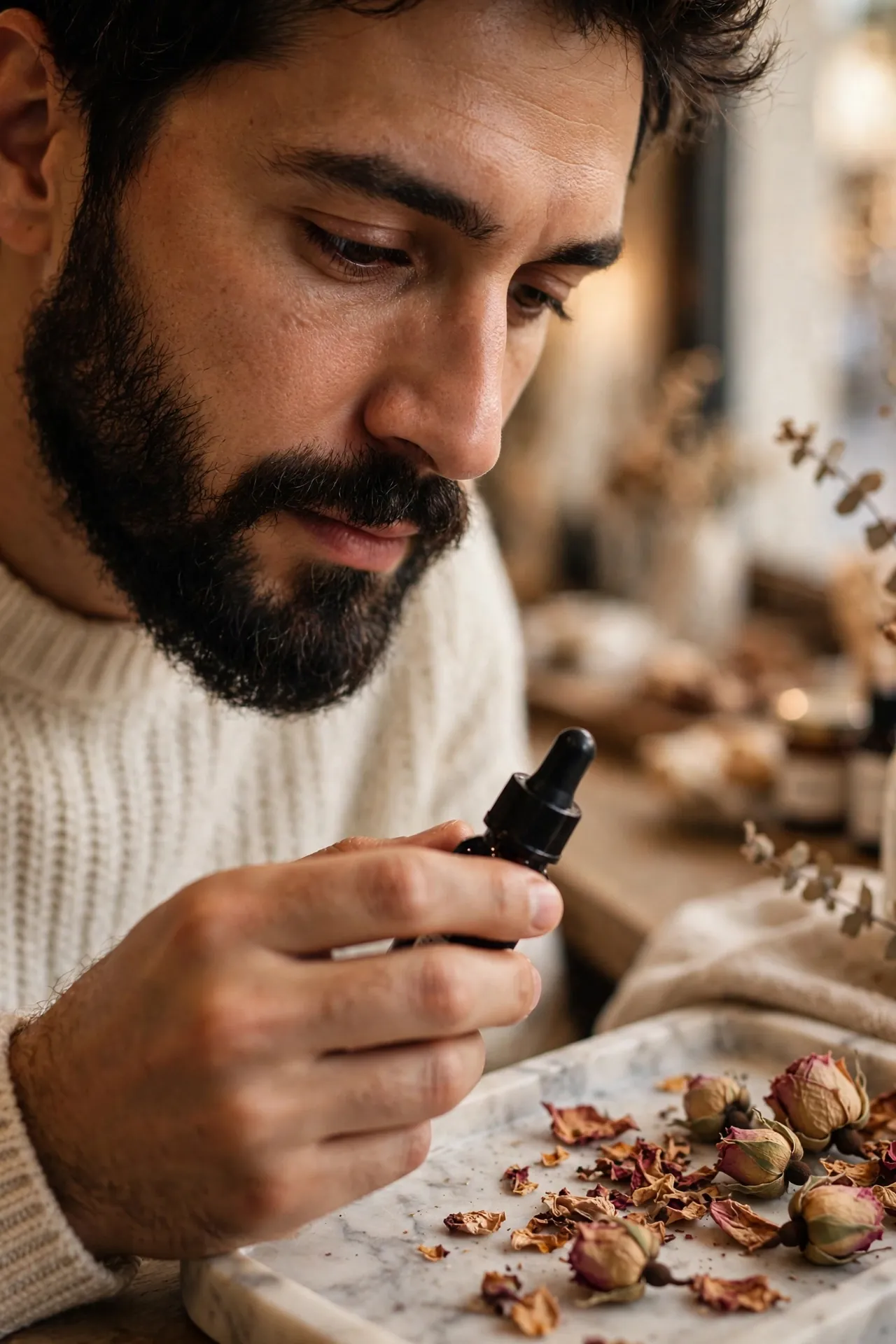
You don’t see many floral beard oils. Done right, though, rose geranium and sandalwood smell refined rather than sweet, and it’s a nice change if the woody stuff feels too heavy.
Rose geranium is fresh and a bit green. Sandalwood warms it up. Together it smells more like a botanical perfume than something off the grooming aisle.
Where Floral Blends Go Too Sweet:
Overdo the rose and you’ll smell like a bouquet. Keep the floral to a drop or two per 30 ml and let something woody, like sandalwood or cedarwood, take the lead.
Try 30 ml jojoba, 2 drops of sandalwood and 1 of rose geranium. Proper rose oil costs a fortune, which is exactly why rose geranium is the sensible choice.
10
OF 17
Moringa and Hemp Seed Beard Oil
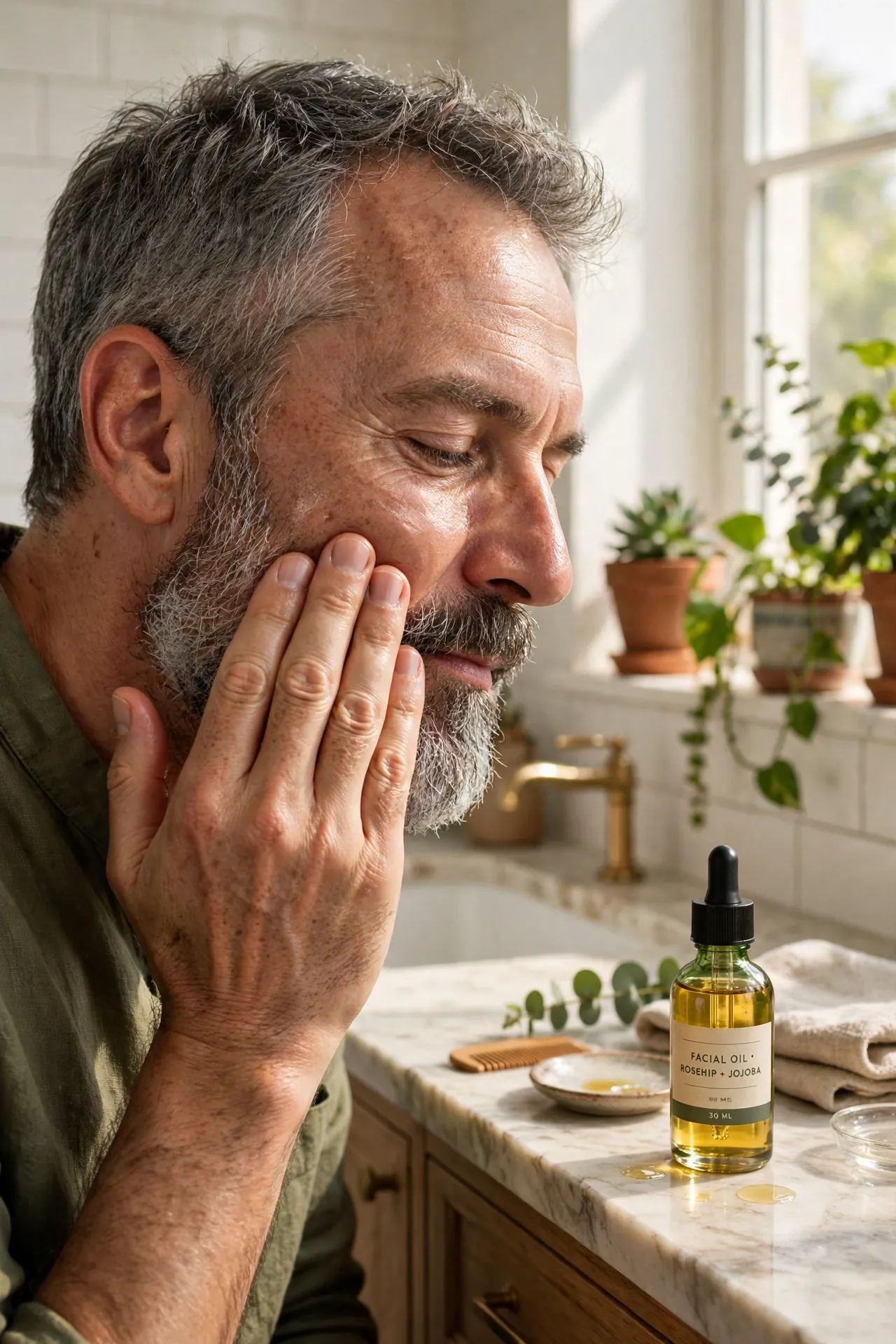
Skin gets drier and thinner as you get older, and the bit under your beard is no different. Moringa and hemp seed are both packed with fatty acids, which helps soften skin and hair alike.
Moringa’s light and soaks in well. Hemp seed smells a bit nutty, a bit grassy. Half and half, they make a good everyday oil if you want more than just a soft beard.
🧴 Store Moringa and Hemp Somewhere Cool
Hemp seed oil goes off faster than most. Keep it in a dark bottle, away from the radiator, and only make what you’ll get through in a few months.
The recipe: 15 ml moringa, 15 ml hemp seed, a few drops of cedarwood or nothing at all. After a shower is when it’ll sink in best.
11
OF 17
Sweet Almond Beard Oil for a Grey or White Beard
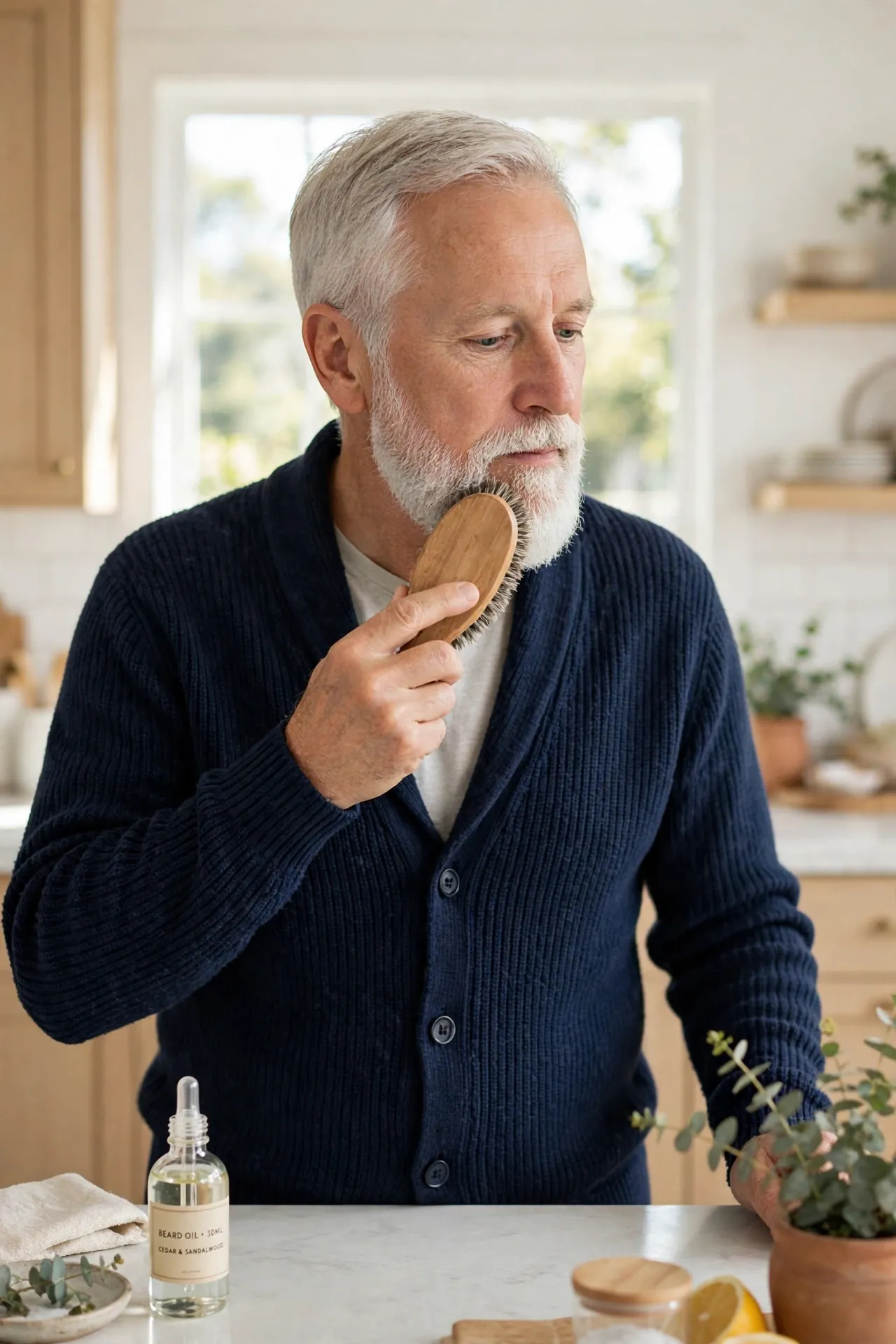
When a beard goes grey or white, it usually gets coarser and drier too, and it can pick up a yellow tinge over time. Sweet almond oil smooths it out, so the beard looks cleaner and less wiry.
Go unscented, or keep the scent very light. Strongly coloured oils, and a few essential oils, can tint a very pale beard over time.
Skip Almond Oil If You Have a Nut Allergy
It comes from nuts, so if you’re allergic, don’t risk it. It can also clog pores if you’re prone to breakouts. Jojoba or grapeseed will give you much the same soft finish.
Mix 20 ml sweet almond with 10 ml jojoba. Wash the beard with something gentle and brush it every day, and a grey beard stays bright and tidy.
12
OF 17
Lavender and Chamomile Beard Oil for Razor Burn
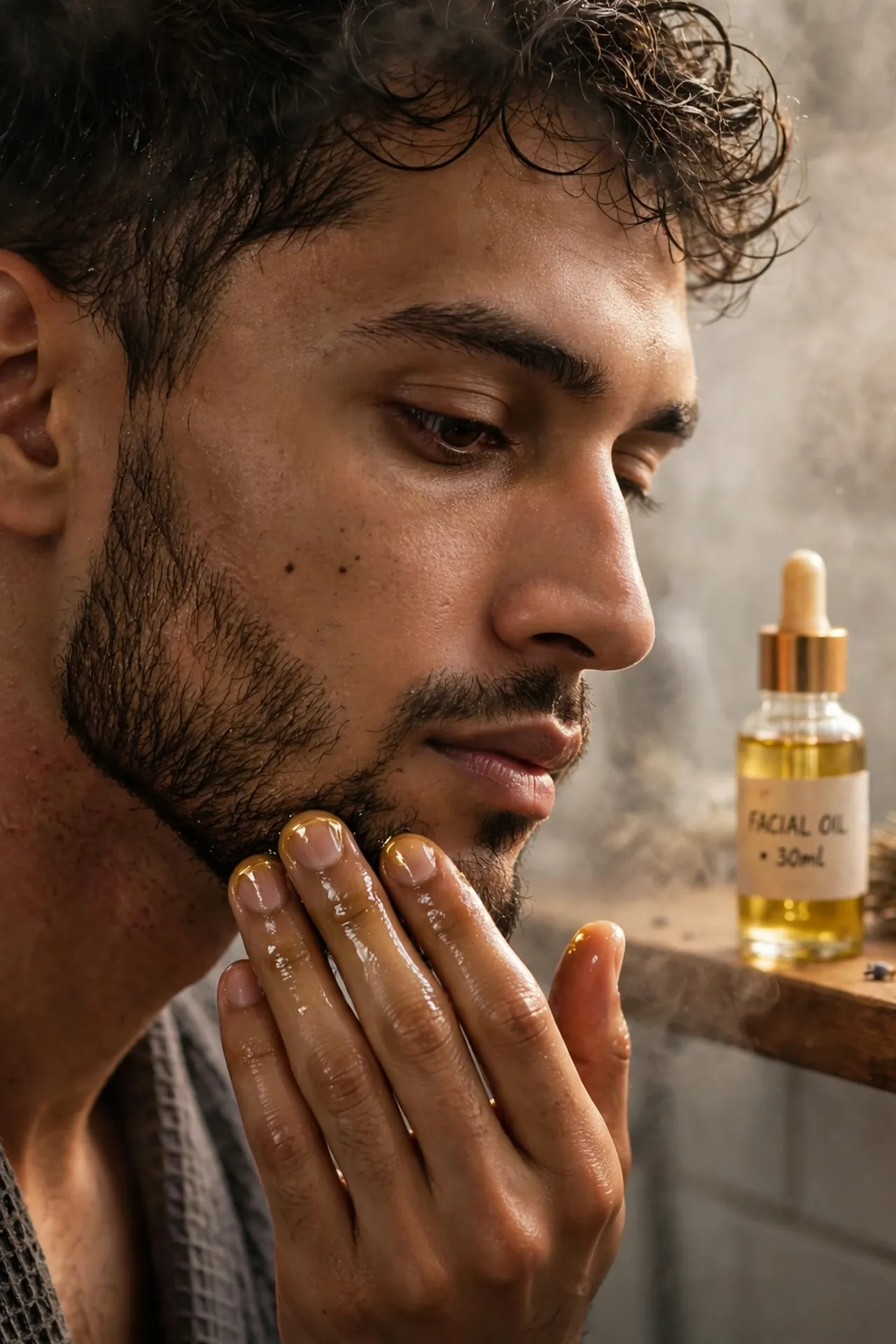
Keep sharp cheek lines and a clean neckline, and razor burn comes with the territory. Lavender and chamomile have long been used to calm skin down, and they smell soft and relaxing too.
Use it on the beard and the shaved edges once the skin’s settled. The mix is 30 ml jojoba, 2 drops of lavender and 2 of Roman chamomile.
BEFORE:
A freshly shaved neckline left dry, with red bumps and an itchy, tight feeling along the edges by evening.
AFTER:
A few drops of calming oil massaged into the beard and edges after shaving, so the skin feels softer and less irritated.
Give it a few minutes after shaving before you put it on, and keep it off any nicks. If the bumps keep coming back, the oil isn’t the fix. Look at your technique or your blade.
13
OF 17
Bergamot and Lemon Beard Oil for Daytime

Citrus makes a beard smell fresh and clean, a bit like a classic cologne. Bergamot is the classiest of the lot, with a slightly floral, almost Earl Grey kind of freshness that suits the daytime.
Put it in jojoba with one drop of cedarwood to anchor it. Good for the office, weekends, warm days.
⚠️ Cold-Pressed Bergamot and Sunlight Don’t Mix
Some citrus oils, especially cold-pressed bergamot, lime and lemon, can make skin more sensitive to sunlight and cause dark patches. Use bergapten-free bergamot (often labelled FCF), and stick to sweet orange if you’ll be in the sun.
A safe daytime mix: 30 ml jojoba, 3 drops of bergapten-free bergamot, 1 drop of cedarwood. Citrus fades faster than wood, so don’t be surprised when it’s soft after a couple of hours.
14
OF 17
Pine and Fir Needle Beard Oil for Winter
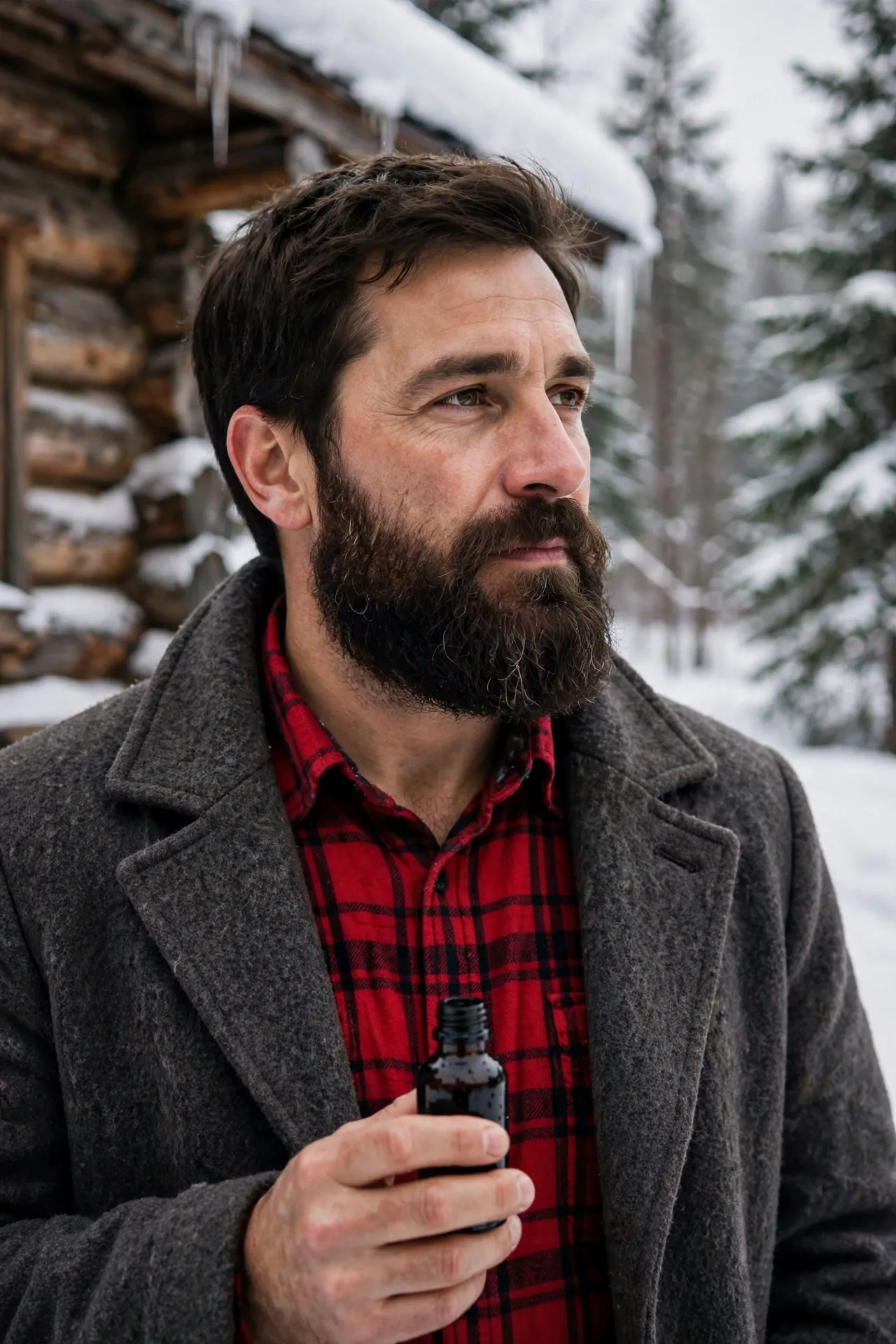
Pine and fir needle oils smell like a walk in the woods. Crisp, green, a little resinous, and just right for winter. Woody scents are my personal favourites anyway (cedarwood, pine, sandalwood), with fresh ones like lemongrass and mint a close second.
Winter’s also when beards dry out the worst, between the cold outside and the central heating inside. A richer base of argan and jojoba earns its keep here.
📌 Needle Oils Turn Harsh as They Age
Pine and fir oils oxidise over time, and once they do, they’re more likely to irritate your skin. Buy small bottles, keep the lid on and keep them out of the light. If the smell turns sharp, bin it.
For a winter bottle, use 15 ml argan, 15 ml jojoba, 2 drops of fir needle and 2 of cedarwood. Put it on after your morning shower, before you head out into the cold.
15
OF 17
Light Beard Oil for a Teen’s First Facial Hair
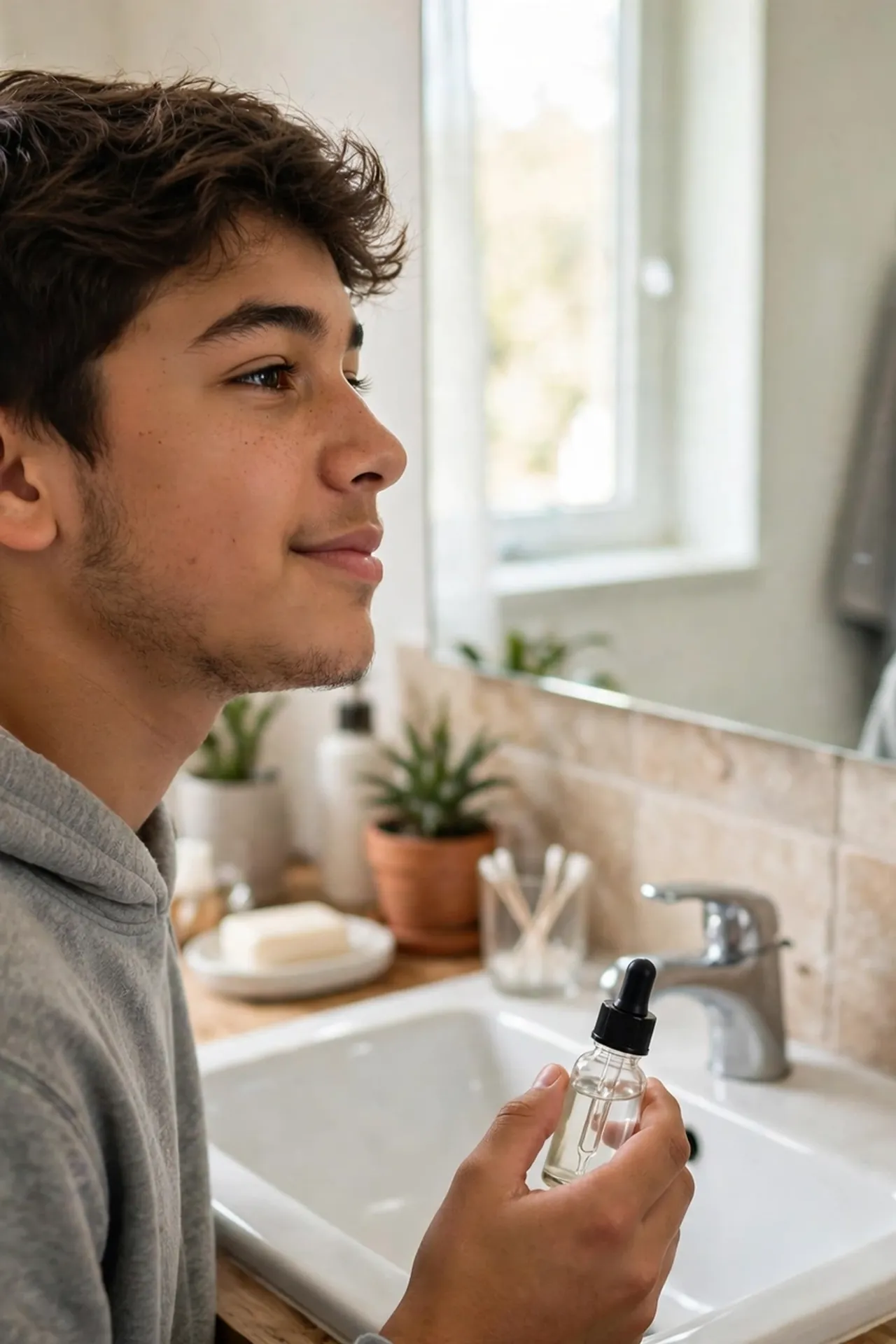
First facial hair is usually soft, patchy and all over the place. No teenager needs a fancy beard oil, but a light, unscented one can help with dry or itchy skin while it grows in.
Plain jojoba, nothing else. It’s light, unlikely to block pores, and gentle on skin that might already be dealing with spots.
✅ A Teen’s First Beard Routine
- Wash the face morning and night with a gentle cleanser
- Use 1 to 2 drops of plain jojoba oil on the facial hair, a few times a week
- Keep it unscented to avoid irritation
- Trim stray hairs neatly instead of shaving every day
If the spots get worse, ease off or stop. Young facial hair really doesn’t need much.
16
OF 17
Herbal Infused Beard Oil With Marshmallow Root
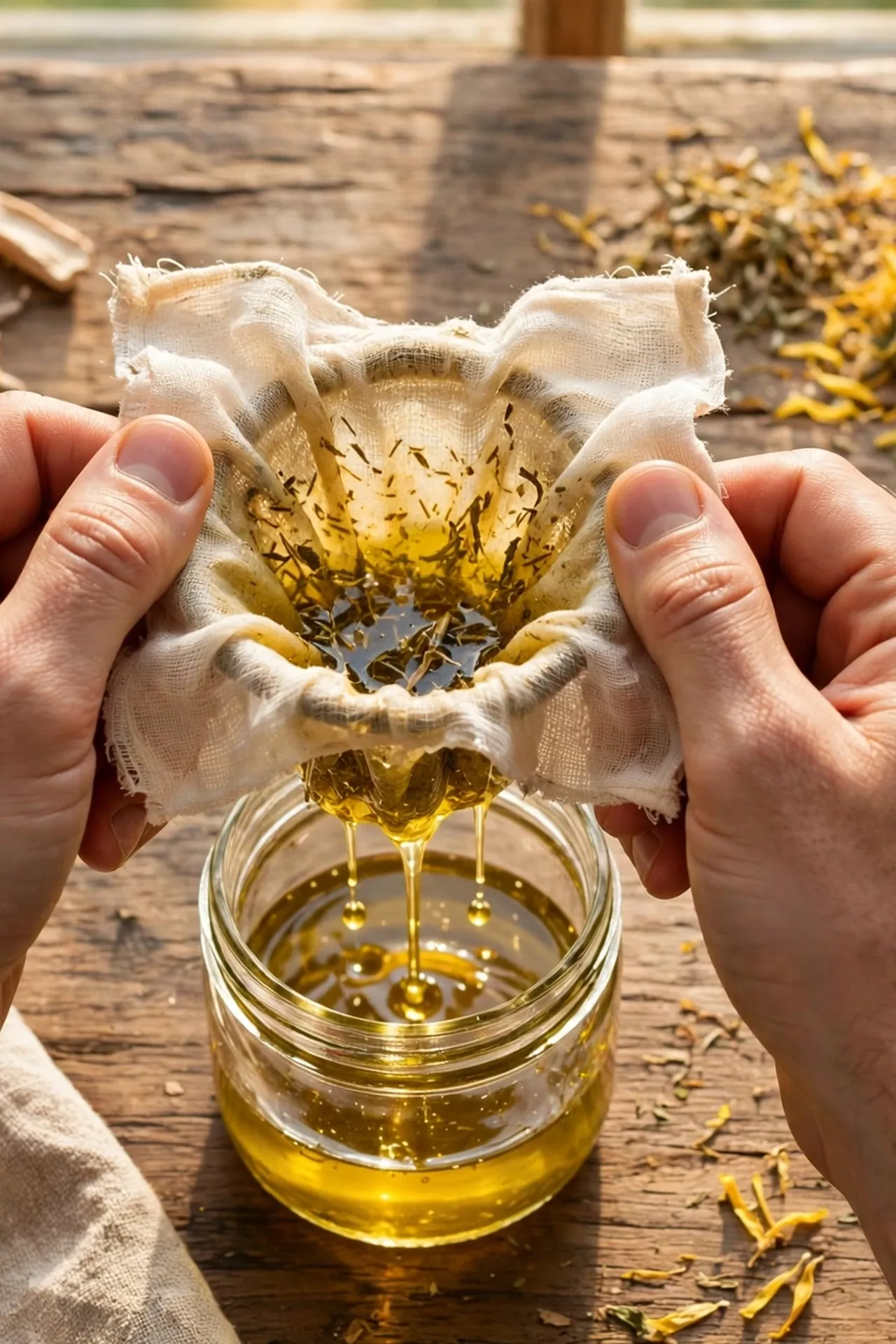
This is the slow version. You steep dried plants in a carrier oil and the oil takes on their properties. Marshmallow root and calendula have long been used to soothe dry skin, so they’re a natural pick for a beard.
It takes an afternoon rather than five minutes, but there’s nothing tricky about it. What you end up with is a mild, earthy oil, ideal if you’d rather skip essential oils.
Fill a clean, dry glass jar about a third full with dried marshmallow root and calendula.
Cover the herbs fully with a carrier oil like sunflower or jojoba.
Set the jar in a warm water bath on very low heat for 2 to 3 hours.
Let it cool, then strain the oil through cheesecloth.
Pour it into a dark glass bottle and label it with the date.
Dried herbs only. Fresh ones bring water in with them, and water means mould. Make small batches and get through them within a few months.
17
OF 17
Solid Beard Oil Balm With Shea and Beeswax
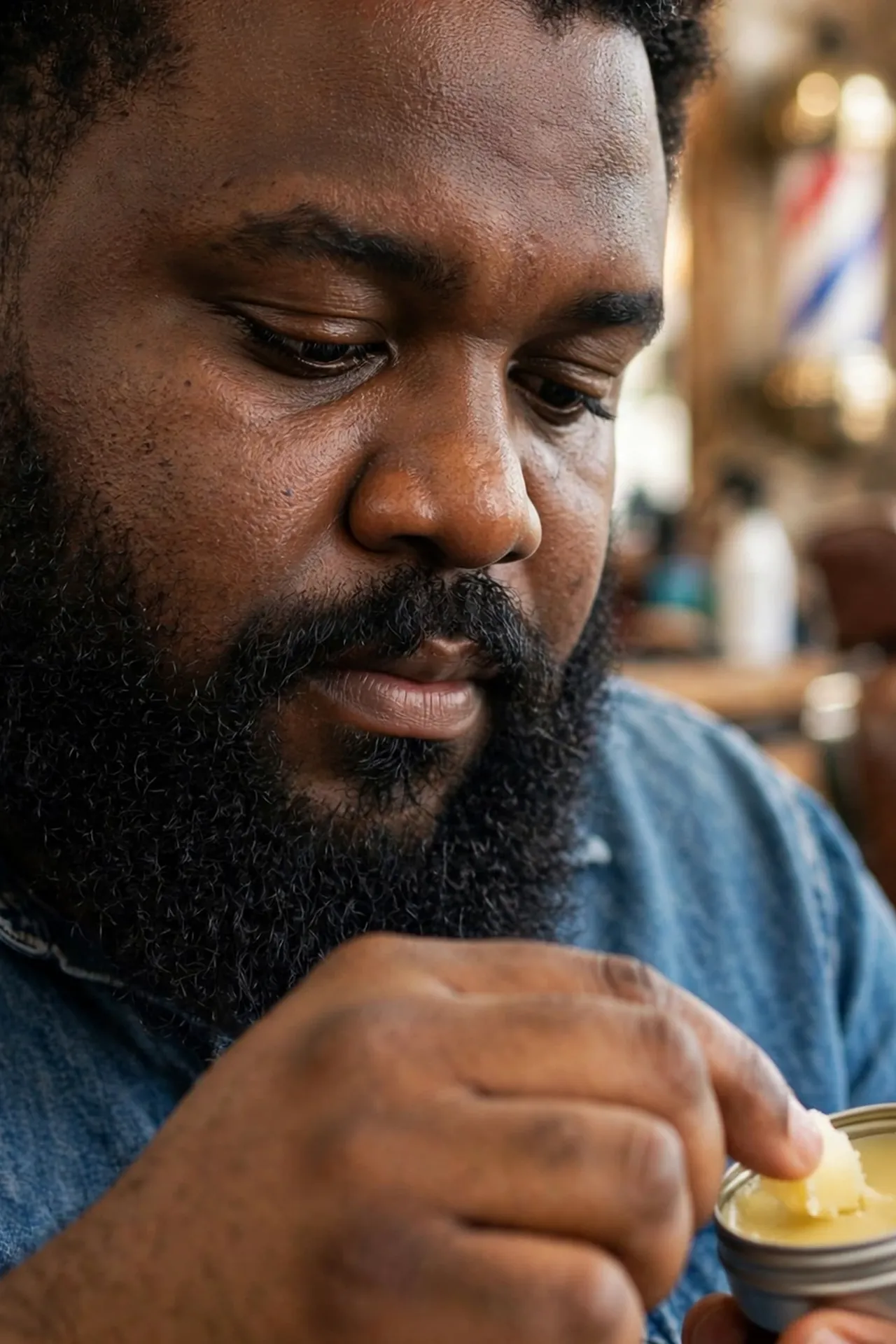
Think of balm as beard oil that’s grown up a bit. The beeswax and shea give it a light hold, so it tames the flyaways and shapes the beard while still looking after the skin.
A good place to start is one part beeswax, two parts shea butter, three parts carrier oils, all by weight. More beeswax, more hold. Less, and it’s softer and easier to spread.
On the soap-making and shaving forums, the mistake people own up to most is too much beeswax. Get it up to 20 or 30% of the recipe and you’ve basically made a candle; you’ll be digging it out with your thumbnail.
Around 15% keeps it soft and spreadable. They also say to weigh everything on a kitchen scale instead of using spoons, especially the beeswax, and they’re right.
🎨
Beeswax
1 part
✂️
Shea butter
2 parts
📐
Carrier oils
3 parts
Melt the beeswax and shea together over a gentle water bath, take it off the heat, stir in the oils, add a few drops of essential oil, and pour it into tins to set. For a firmer moustache wax, roughly double the beeswax.
💈 Ask Your Barber How Much Hold You Need
Your barber can tell you whether you need a soft balm for frizz or a firmer one to hold a shape. Coarse, curly beards usually get on best with a softer balm and a decent comb.
Which beard oil are you mixing first?
FAQs
How do I make beard oil at home?
Mix about 30 ml of carrier oil, like jojoba or argan, with 6 to 9 drops of essential oil in a dark glass dropper bottle. Give it a gentle shake and patch-test it before it goes anywhere near your face.
How often should I use beard oil?
Once a day after a shower is enough for most men. Twice a day in really dry weather, and less if your skin’s oily.
Does beard oil help a beard grow?
No oil has been proven to grow beard hair. It keeps the skin healthy and makes the beard look softer and fuller, but how much you grow is mostly down to genetics.
What’s the difference between beard oil and beard balm?
Oil conditions the skin and hair. Balm adds beeswax and butters, so you also get a bit of hold for shaping and keeping flyaways down.
Which essential oils are good for beard oil?
Cedarwood, sandalwood, vetiver, sweet orange, bergamot, lavender and tea tree are all popular. Keep the total to about 1–2% of the blend and patch-test first.
Can beard oil cause acne?
It can, if the oil’s heavy or pore-clogging and your skin’s oily. Lighter oils like jojoba and grapeseed are much less likely to cause trouble.