22 Viking Beard Styles With Warrior Presence: Bold, Not a Costume

A Viking beard is big, full, and confident, the kind of beard that looks like it has weathered a few winters. Today’s versions take that raw image and add modern grooming: clean necklines, controlled shapes, and braids or beads used as details rather than props.
That balance is everything. The same long beard can look striking or like fancy dress, depending on how well it’s shaped and cared for. Below are 22 Viking beard styles, from a short modern version you can wear to the office to long braided beards, bald-head pairings, and beads, with how to braid, trim, and keep each one healthy.
Short on Time? Pick Your Path
Table of Contents
- 01The Classic Full Viking Beard
- 02The Short Viking Beard
- 03The Modern Viking Beard
- 04The Long Viking Beard
- 05The Single-Braid Viking Beard
- 06The Double-Braided Viking Beard
- 07The Viking Beard With Beads
- 08The Forked Viking Beard
- 09The Viking Beard With a Handlebar Moustache
- 10The Viking Beard With a Disconnected Moustache
- 11The Full Rounded Viking Beard
- 12The Long Anchor Viking Beard
- 13The Viking Beard With an Undercut
- 14The Viking Beard With Braided Hair
- 15The Viking Beard With a Man Bun
- 16The Viking Beard With Short Hair
- 17The Viking Beard With a Fade
- 18The Bald Viking Beard
- 19The Bald Viking Beard With Braids
- 20The Grey Viking Beard
- 21The Curly Viking Beard
- 22The Blonde Nordic Beard
01
OF 22
The Classic Full Viking Beard
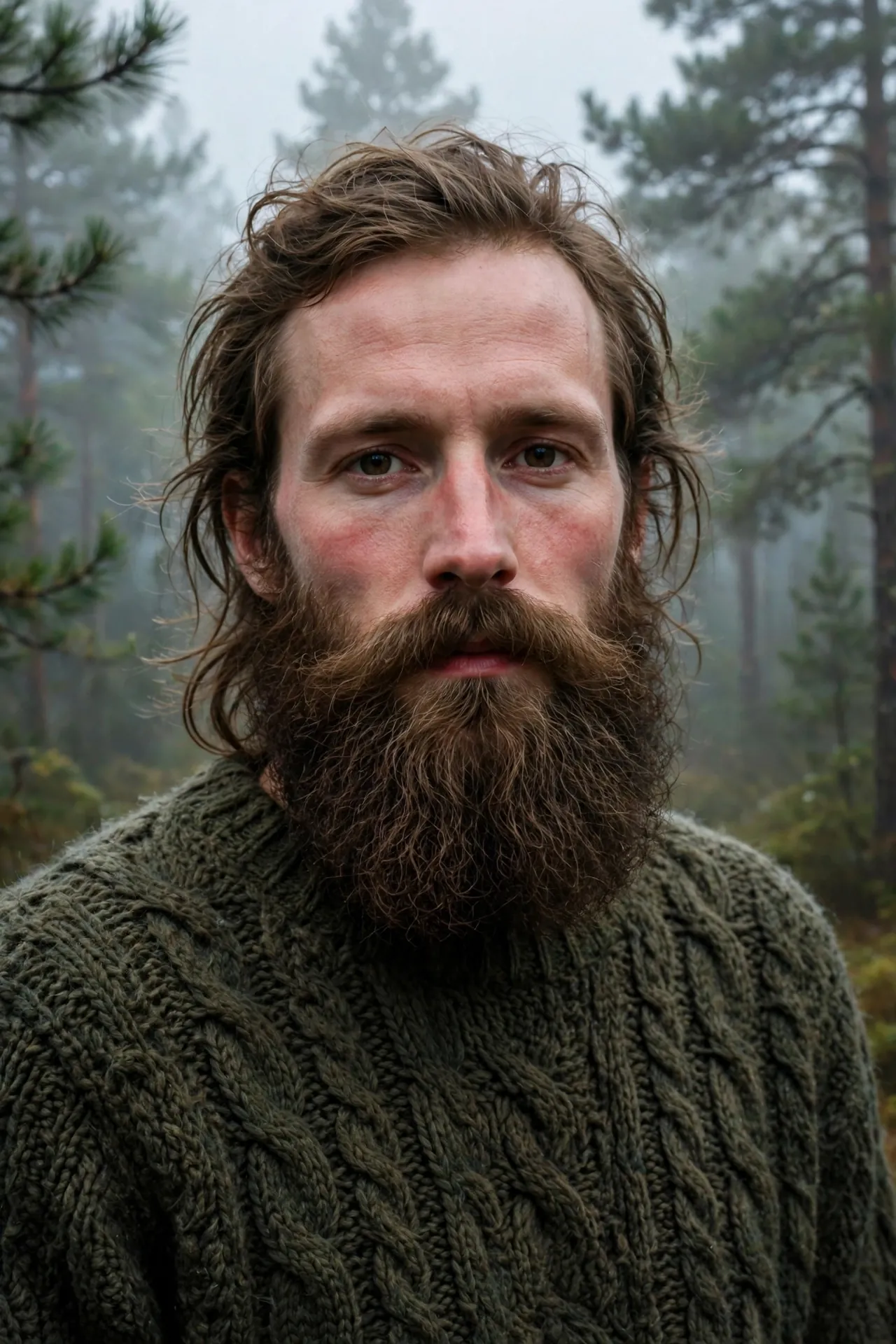
The classic Viking beard is long, full, and dense, with the moustache blending into the rest of the beard. It’s allowed some natural volume, but it still has a shape, usually rounded or gently tapered at the bottom.
What Makes a Beard Look Viking
Length and fullness are only part of it. The look comes from a beard that’s thick from cheek to chin, a moustache that merges into it, and a slightly rugged finish, rather than sharp, sculpted lines.
Different Viking styles need very different commitments, so it helps to compare them before you start growing.
| Style | Length | Growing Time | Upkeep |
|---|---|---|---|
| Short Viking beard | 2–4 cm | 4–8 weeks | Medium |
| Classic full Viking beard | 8–15 cm | 6–12 months | Medium-high |
| Braided Viking beard | 10 cm and longer | 9 months or more | High |
| Bald Viking beard | Any length | Depends on beard | Medium |
Growing time varies a lot from person to person. Beard growth depends on genetics, so these are rough guides, not targets.
02
OF 22
The Short Viking Beard
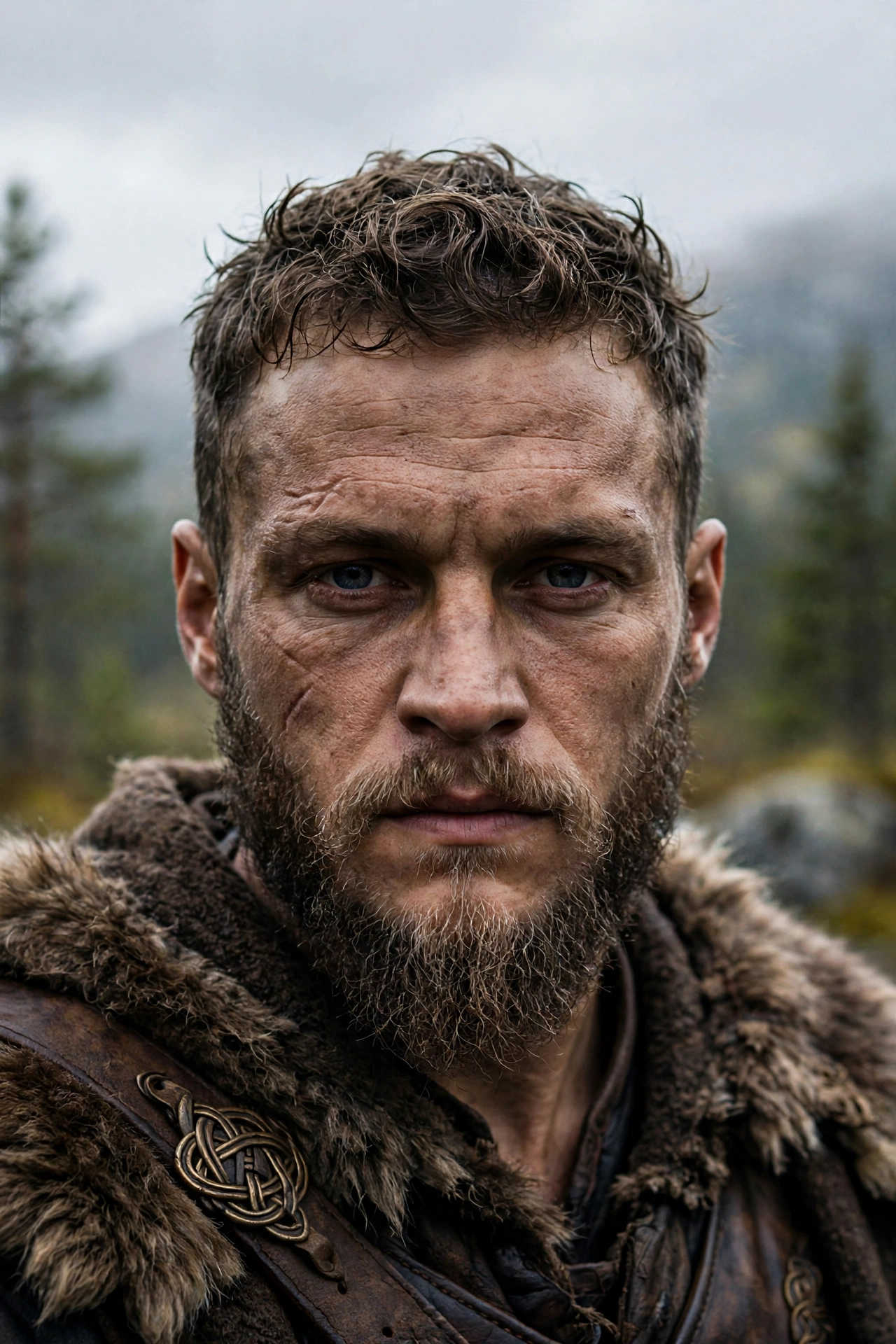
A short Viking beard keeps the fullness and rugged texture of the classic, but at only a few centimetres. It’s a good way to get the look without waiting a year, and it’s much easier to keep neat.
At this length, the beard should look thick rather than sculpted. A soft, natural outline suits the Viking character better than a sharp, low cheek line.
💈 Ask for “Full, Rounded, Natural Edges”
Ask for “a short full beard at about 3 cm, rounded at the bottom, with a natural cheek line and the neck cleaned up.” Asking for natural edges stops the barber from cutting a sharp line that looks too polished for this style.
Trim the length every week or two to keep it even. Most of the work is keeping the neckline tidy while the beard stays full.
03
OF 22
The Modern Viking Beard
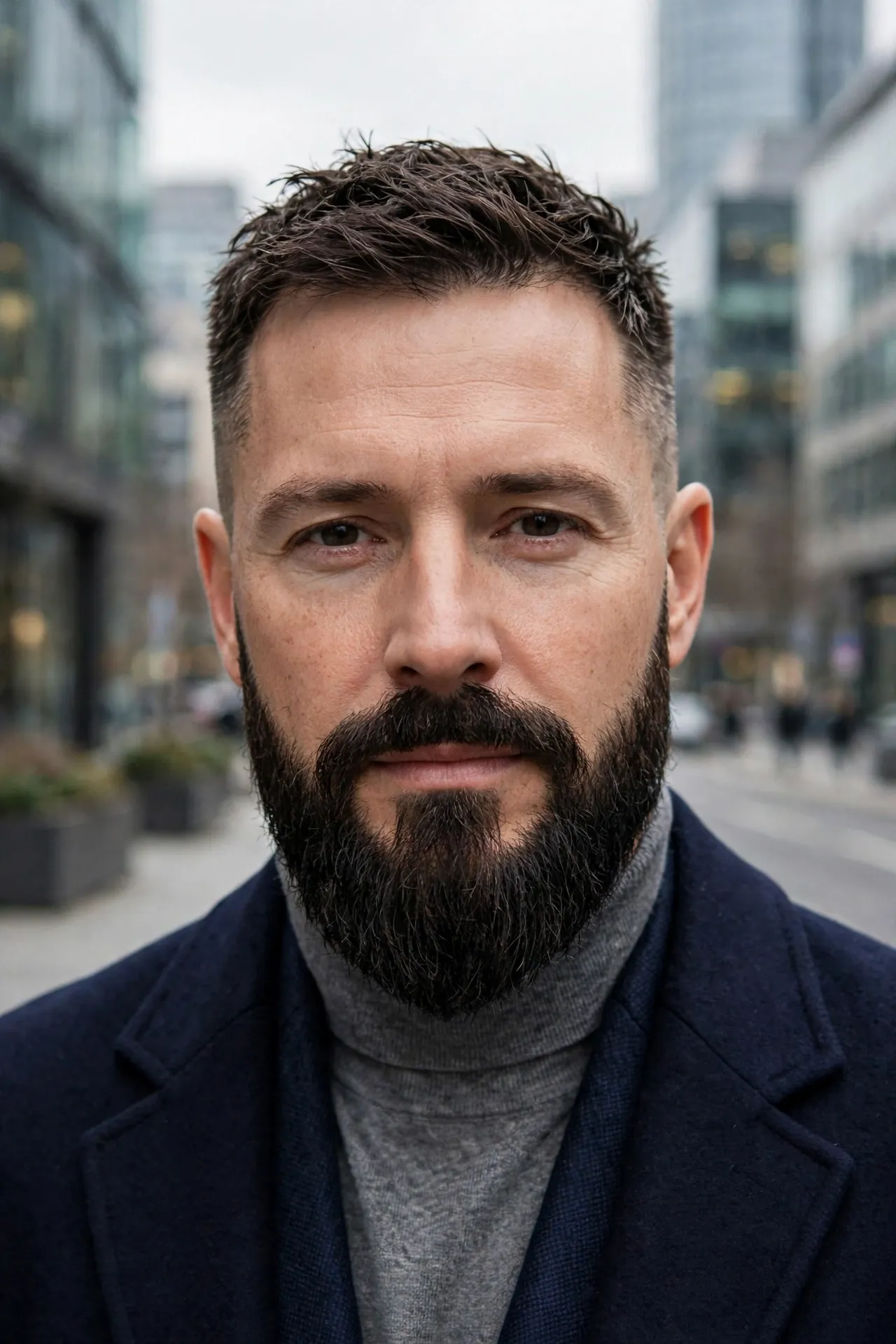
The modern Viking beard keeps the length and fullness of the classic but adds tidy grooming: a clean neckline, a shaped bottom, and a trimmed moustache. Paired with a short, faded haircut, it looks bold without looking wild.
It’s the most wearable version of the Viking look. The beard still has presence, but the shape and short hair make it work with tailored clothes.
📅 Wear It For
Keep the moustache trimmed above the lip. A moustache that hangs over the mouth is the quickest way to make a modern Viking beard look unkempt.
04
OF 22
The Long Viking Beard
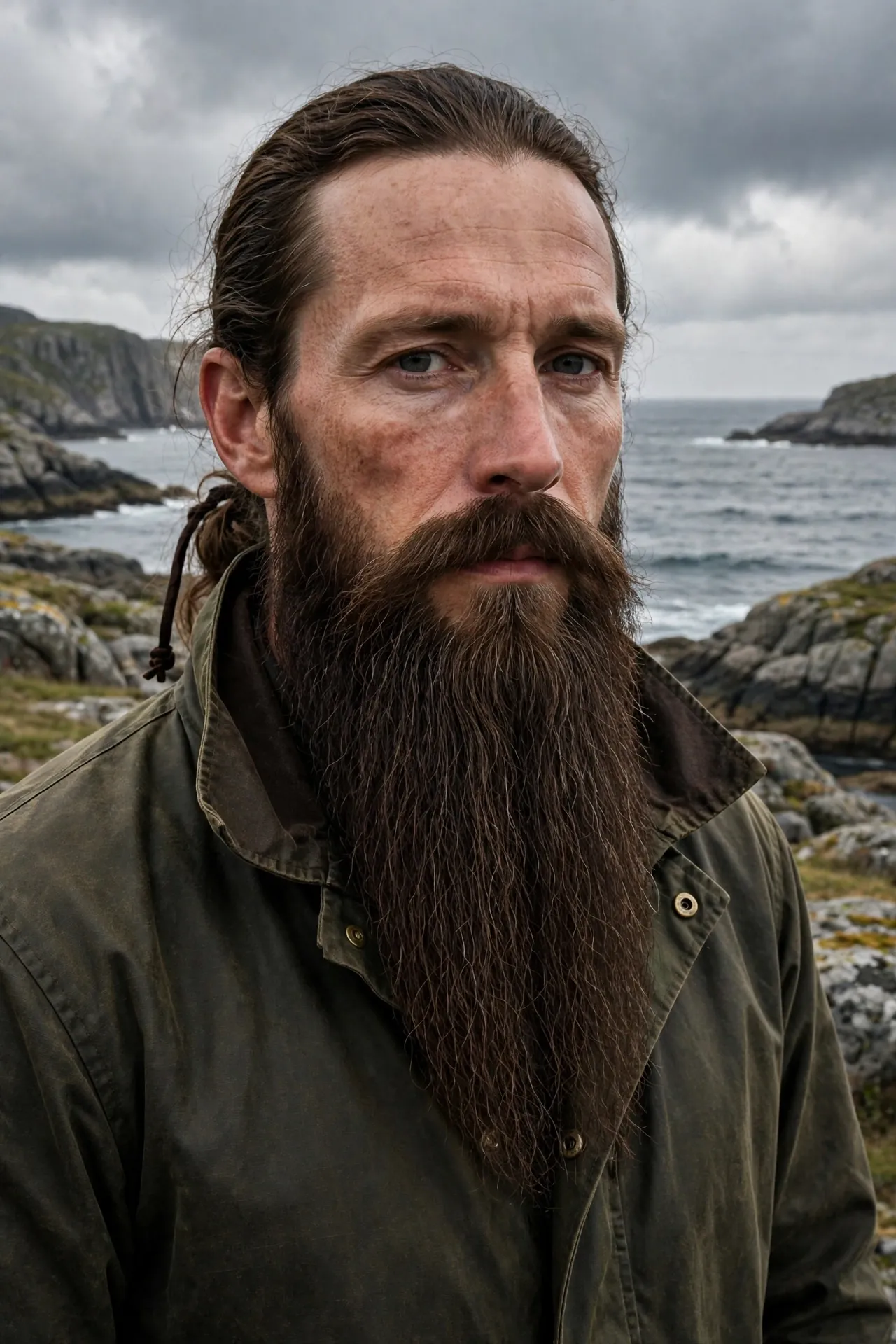
A long Viking beard is the full version: a beard that flows well below the chin, kept combed and shaped. It’s the look most people picture when they think of a Norse warrior.
What Viking-Age Graves Reveal About Grooming
Combs are among the most common objects found in Viking-age graves across Scandinavia, many carefully carved from antler or bone. Tweezers and other small grooming tools have been found too, suggesting that caring for hair and beards was a normal part of daily life.
Growing a beard this long takes patience, often a year or more. Many men find their beard stops growing at a certain point, called its terminal length, and that point varies from person to person.
Long beards need regular washing, conditioning, and brushing. Without care, the ends become dry and split, and the beard looks thin at the bottom.
05
OF 22
The Single-Braid Viking Beard
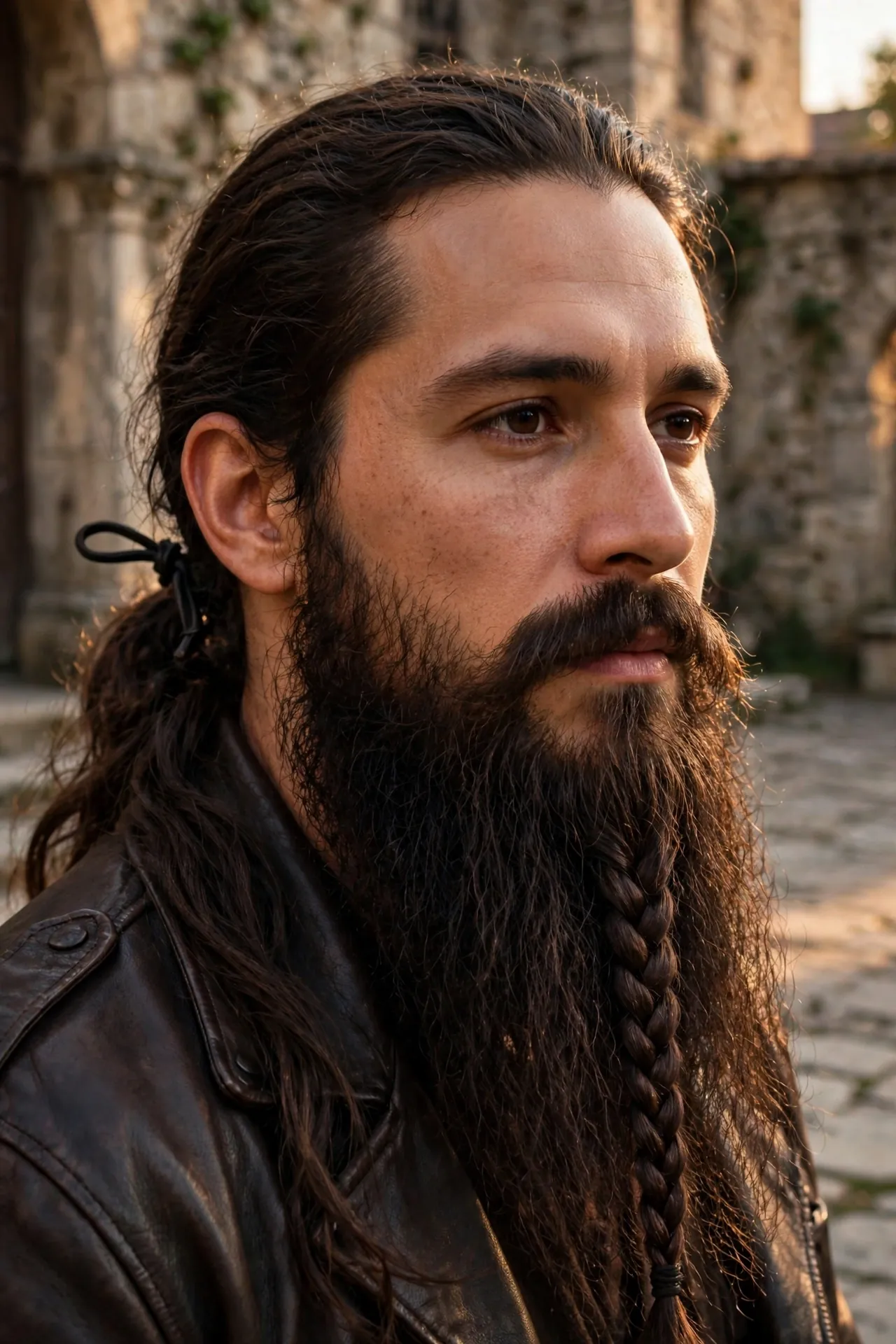
A single braid down the centre of the chin is the simplest braided Viking style. It gathers the longest part of the beard into one neat line, which looks deliberate and keeps the beard tidy.
The beard needs enough length to braid, usually at least 10 cm at the chin. Shorter beards slip out of the braid within hours.
How to Braid a Viking Beard
A basic three-strand braid works for most beards. It’s easiest after washing, when the hair is clean, dry, and combed straight.
Comb the beard straight down so there are no tangles.
Apply a little beard balm to the section you’ll braid, which helps it grip.
Take a section from the centre of the chin and split it into three equal strands.
Cross the right strand over the middle, then the left strand over the new middle.
Keep crossing outer strands over the middle, pulling gently so the braid stays even.
Secure the end with a small elastic band or bead.
Don’t braid too tightly. A tight braid pulls at the skin and can damage the hair over time, while a firm but relaxed braid looks better and lasts longer.
On beard forums, men who braid say a chin-width beard or goatee around 10 to 12 cm long fits two or three small braids. The usual method is to gather the hair into a ponytail with a band at the top, work a simple three-strand braid down to the ends, and finish with a second band.
They also recommend small, smooth hair bands from a beauty supply shop, or even orthodontic bands, because ordinary rubber bands can snap hairs. Practising on yarn or string first makes the first real braid much easier.
06
OF 22
The Double-Braided Viking Beard
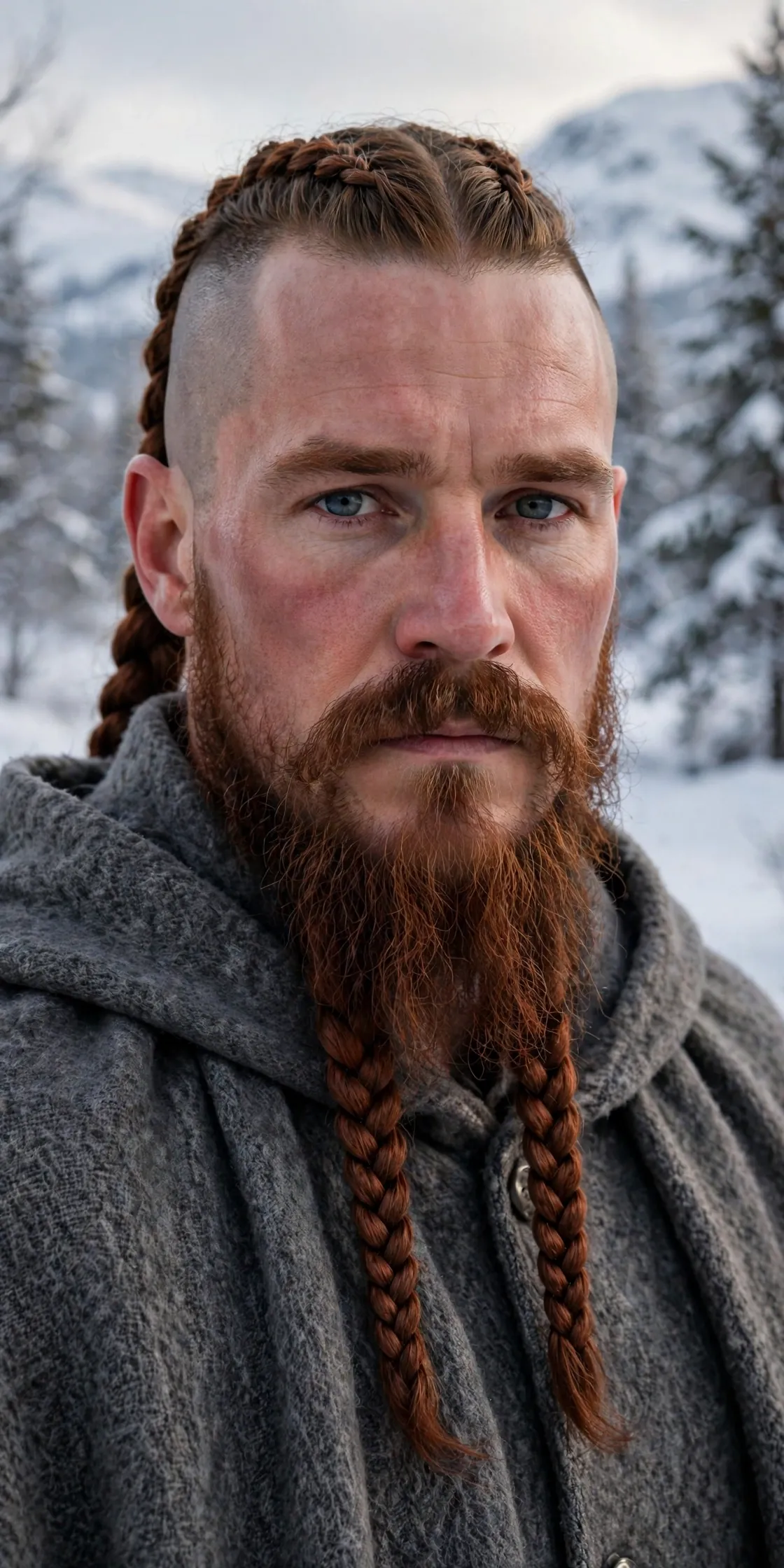
Two braids, one on each side of the chin, give the beard a strong, symmetrical shape. It’s a bold, dramatic version that suits wide, dense beards with plenty of length.
The braids also help with practicality. Splitting a big beard into two sections keeps it from spreading wide and getting tangled.
✅ Do This
Part the beard evenly at the centre of the chin, so both braids start at the same height and thickness.
🚫 Skip This
Braiding uneven sections, which makes one braid thicker and longer than the other.
Unbraid the beard every night. Leaving braids in for days puts constant tension on the hair, and the beard becomes harder to comb out.
The forum advice on tightness is worth repeating: a braid should feel snug, like a belt, not tight enough to hurt. If the skin goes red or sore, loosen it straight away.
07
OF 22
The Viking Beard With Beads
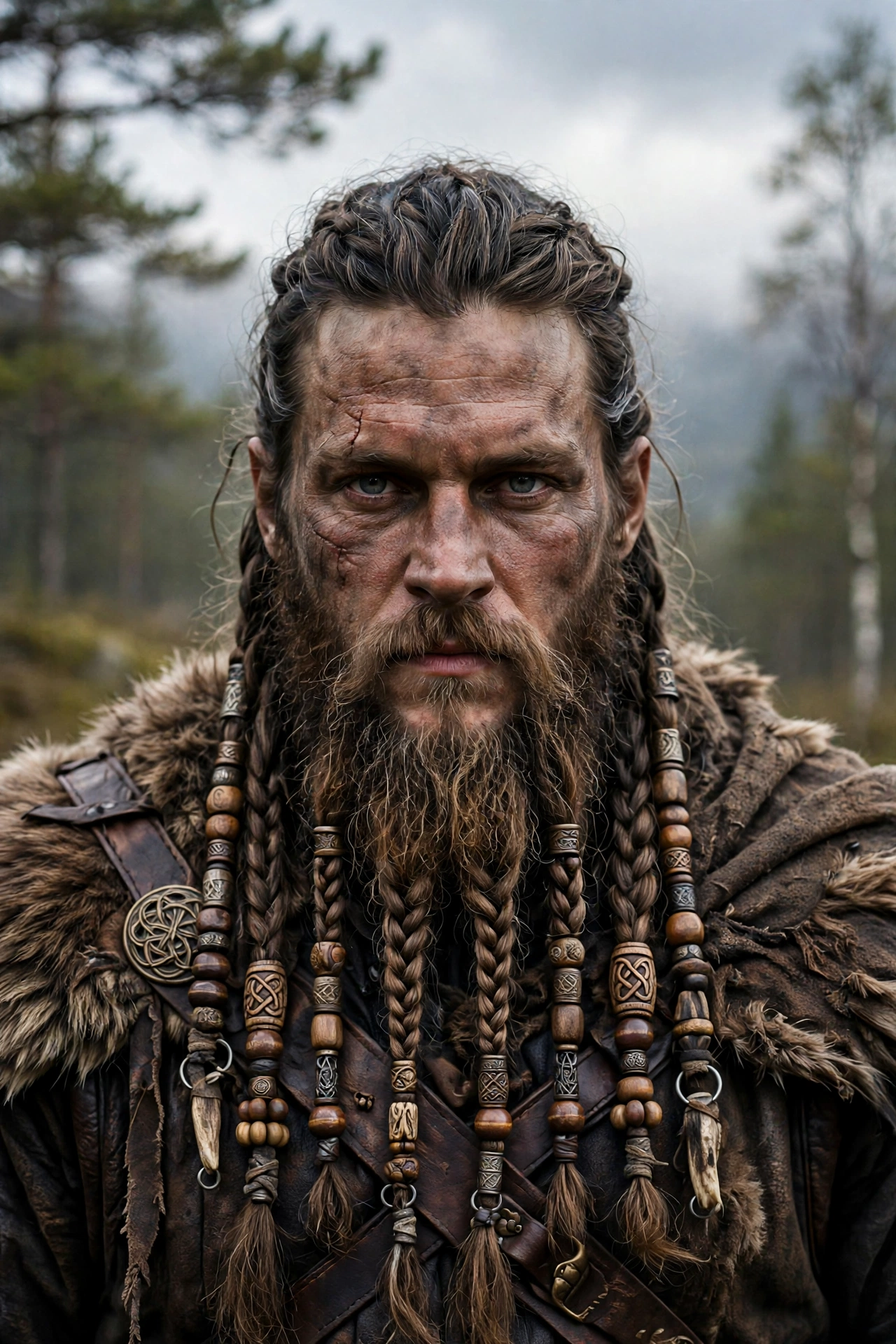
Beard beads are small rings or cylinders, usually metal, wood, or bone, slid onto a braid or a twisted section of beard. They add a decorative detail that makes a Viking beard look finished.
One or two beads look more refined than a dozen. Used sparingly, they become an accent rather than a costume piece.
💡 The “Every Viking Beaded His Beard” Myth
Myth: Vikings commonly wore braided beards decorated with beads.
Reality: Beads were common Viking-age jewellery, but there’s little direct evidence that they were worn in beards. The braided, beaded look is mostly a modern interpretation, shaped by films and TV.
Choosing Beads That Won’t Damage the Hair
Look for beads with smooth, rounded holes. Rough or sharp edges can catch and split the hair as the bead moves.
⚠️ Heavy Beads Pull at the Roots
Large metal beads add weight, and that weight tugs at the hair all day. Choose light beads, or wear heavier ones only for short periods, so they don’t strain the beard.
08
OF 22
The Forked Viking Beard
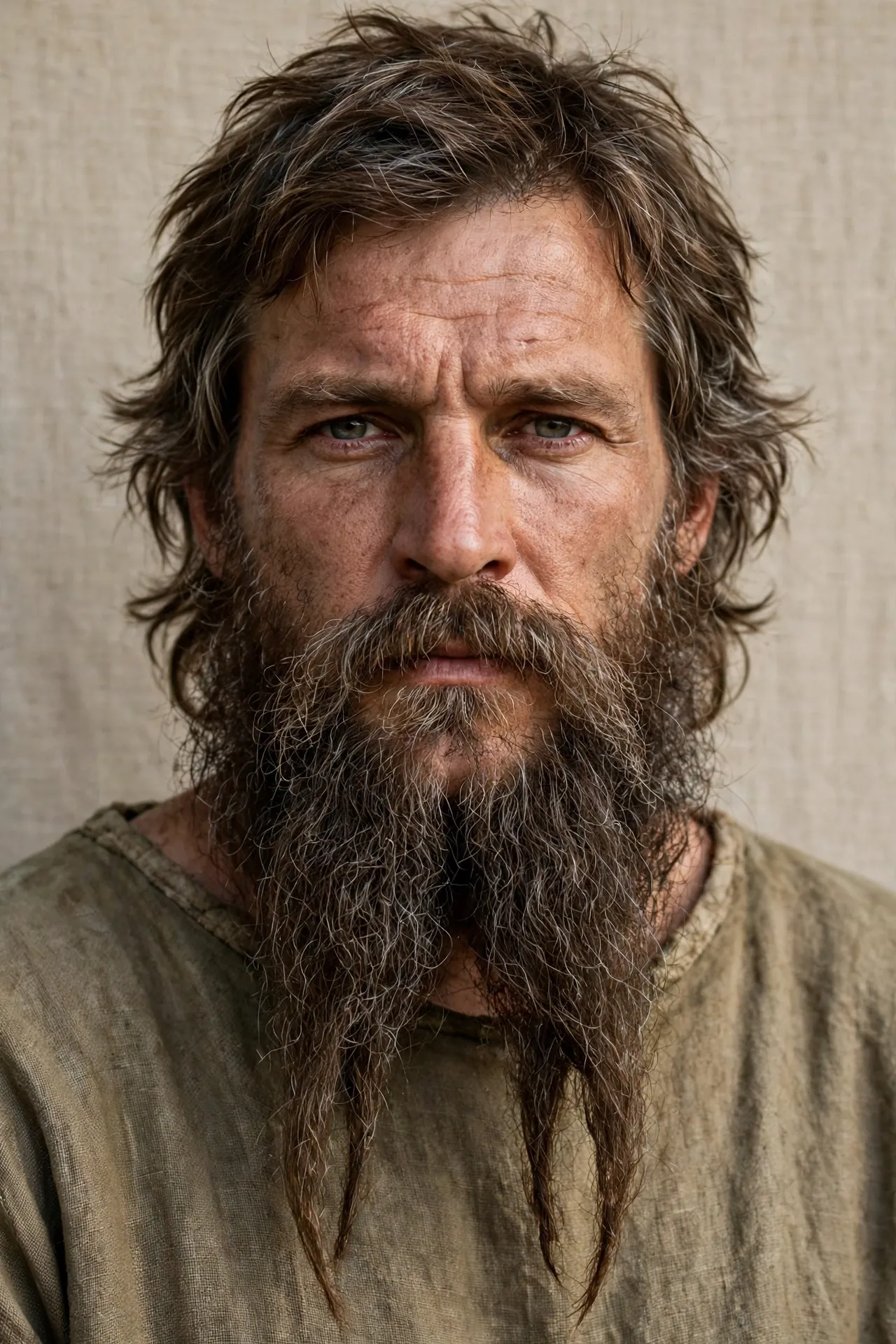
A forked Viking beard splits into two points at the bottom, like the tines of a fork. It’s a striking style that gives a long beard a clear, sculpted shape.
The fork works best on dense beards. If the chin is thin, the two points can look sparse and stringy.
🎨
Length
12 cm and longer
✂️
Split
at the chin’s centre
📐
Points
gently tapered
To shape the fork, part the beard at the centre of the chin and trim each side into a slight taper. A little beard balm helps the two points hold their shape.
09
OF 22
The Viking Beard With a Handlebar Moustache
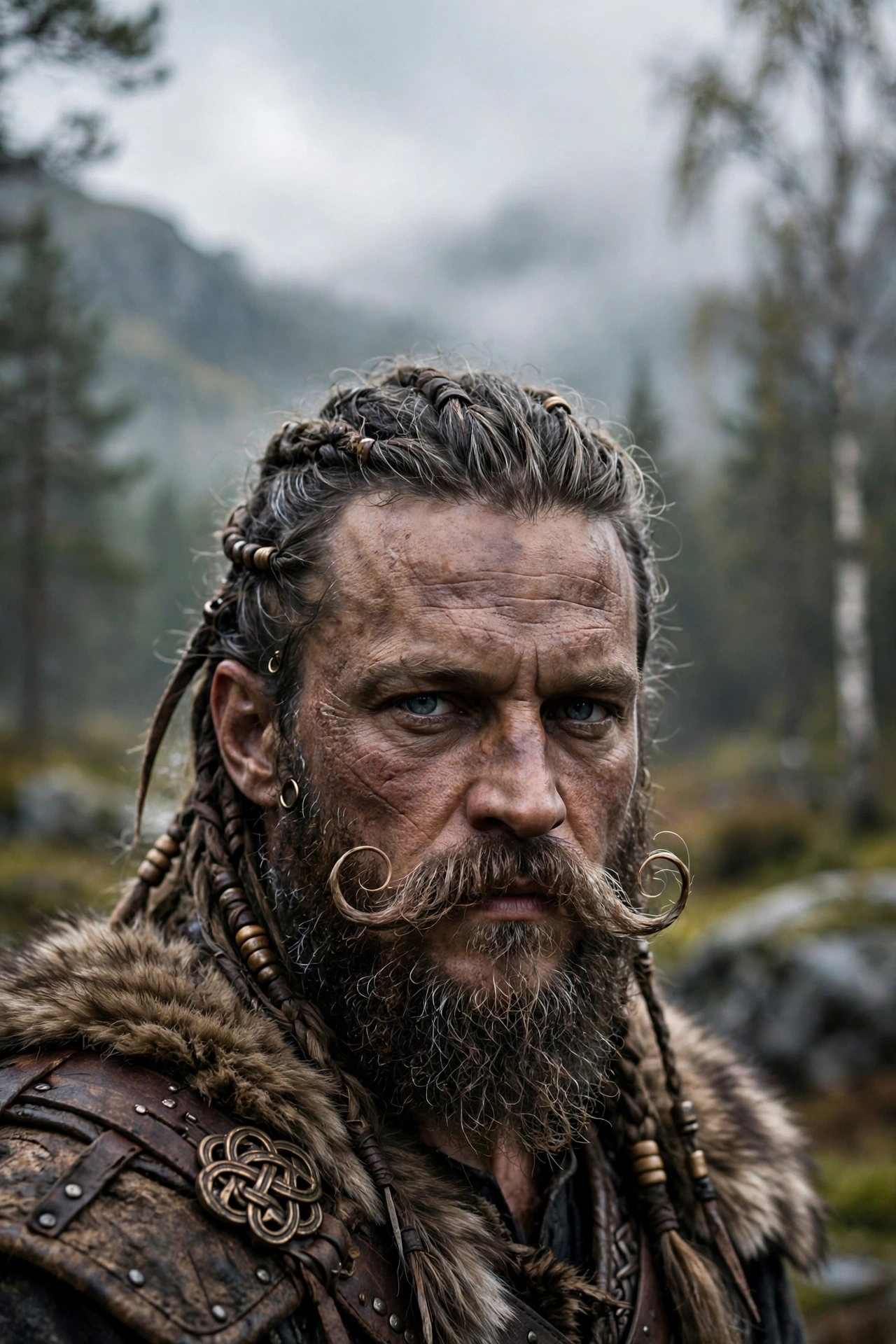
A handlebar moustache, with long ends curled upward, adds a vintage edge to a full Viking beard. The moustache is styled separately, sitting on top of the beard rather than blending into it.
It takes extra time to grow. The moustache ends need to be long enough to curl, so trim only the centre while the sides grow out.
🧴 A Firm Wax for the Curled Ends
A firm moustache wax holds the curled ends through the day. Warm a small amount between your fingers, twist each end, and curl it upward, then let it set.
Keep the beard below the moustache neat and combed. A messy beard makes even a carefully styled handlebar look out of place.
10
OF 22
The Viking Beard With a Disconnected Moustache
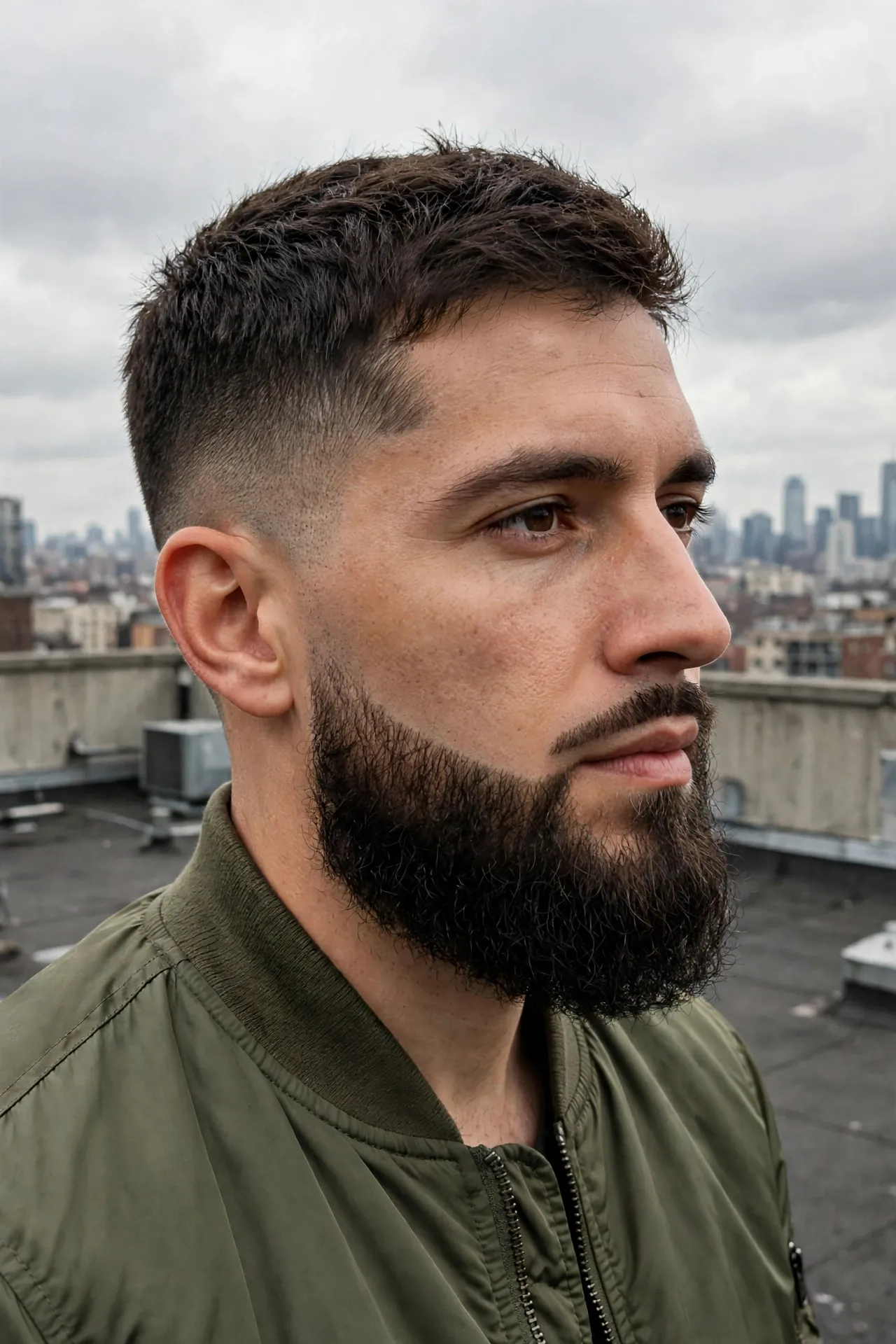
A disconnected moustache sits separately from the beard, with a small shaved gap at the corners of the mouth. It’s a modern twist on the Viking beard, cleaner and more defined than the classic.
📌 Check the Mouth Corners First
Thin hair at the corners of the mouth is very common. If yours grows in sparse there, a disconnected moustache turns the thin spot into a deliberate part of the design.
Keep the gap clean and even on both sides. It’s a small detail, but it makes the whole beard look sharper.
11
OF 22
The Full Rounded Viking Beard
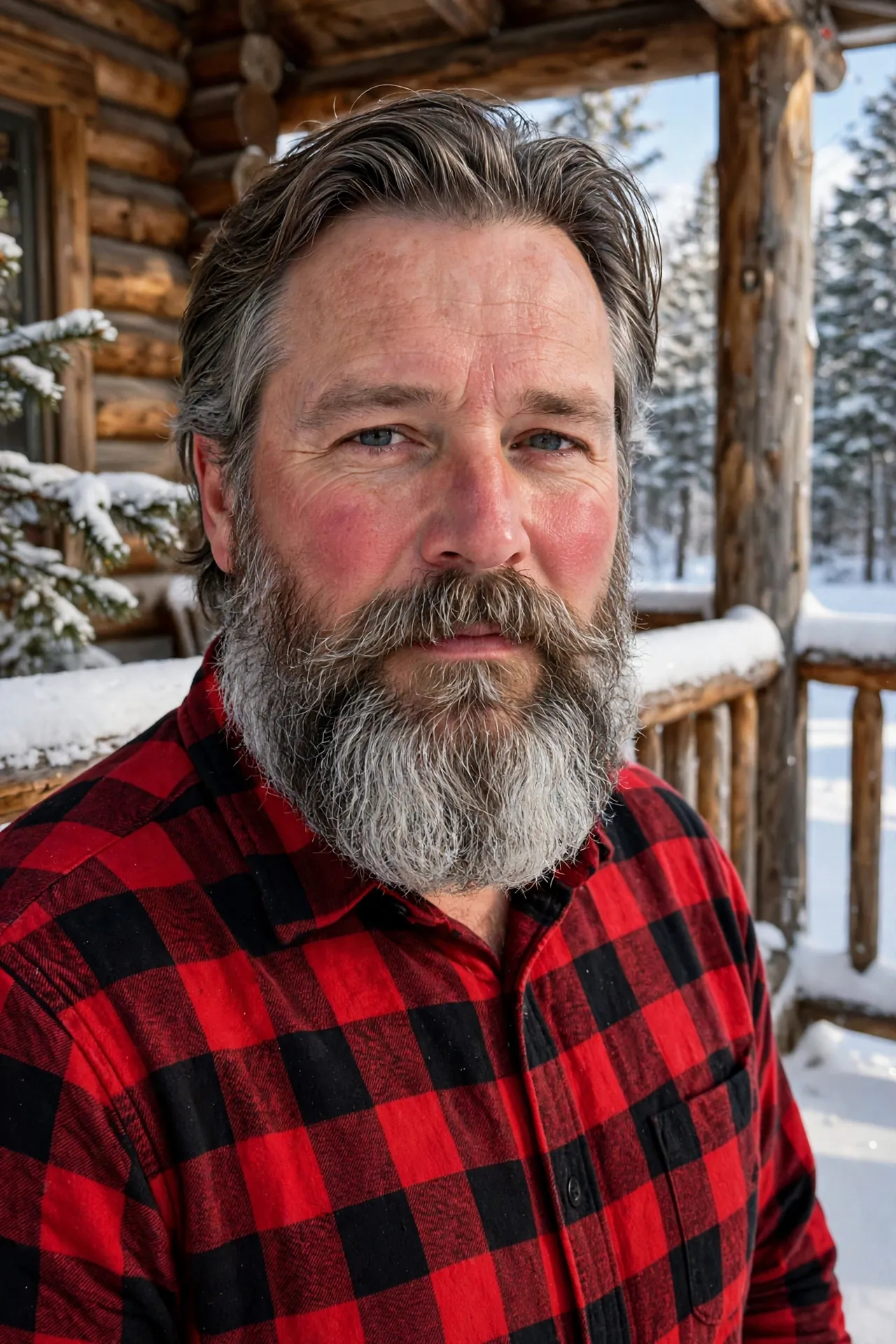
A full rounded Viking beard is wide and dense, trimmed into a smooth, rounded shape at the bottom. It looks generous and strong, but controlled.
The rounded shape softens a square jaw and adds width to a long face. On round faces, though, it can make the lower face look wider.
✅ Copy the Rounded Viking Shape
- A full beard grown to 8–12 cm
- The bottom trimmed into a smooth, even curve
- A full moustache that blends into the beard
- A natural cheek line and a tidy neckline
Brush the beard outward from the face, then down, to give it volume. A light beard balm keeps the round shape from frizzing.
12
OF 22
The Long Anchor Viking Beard
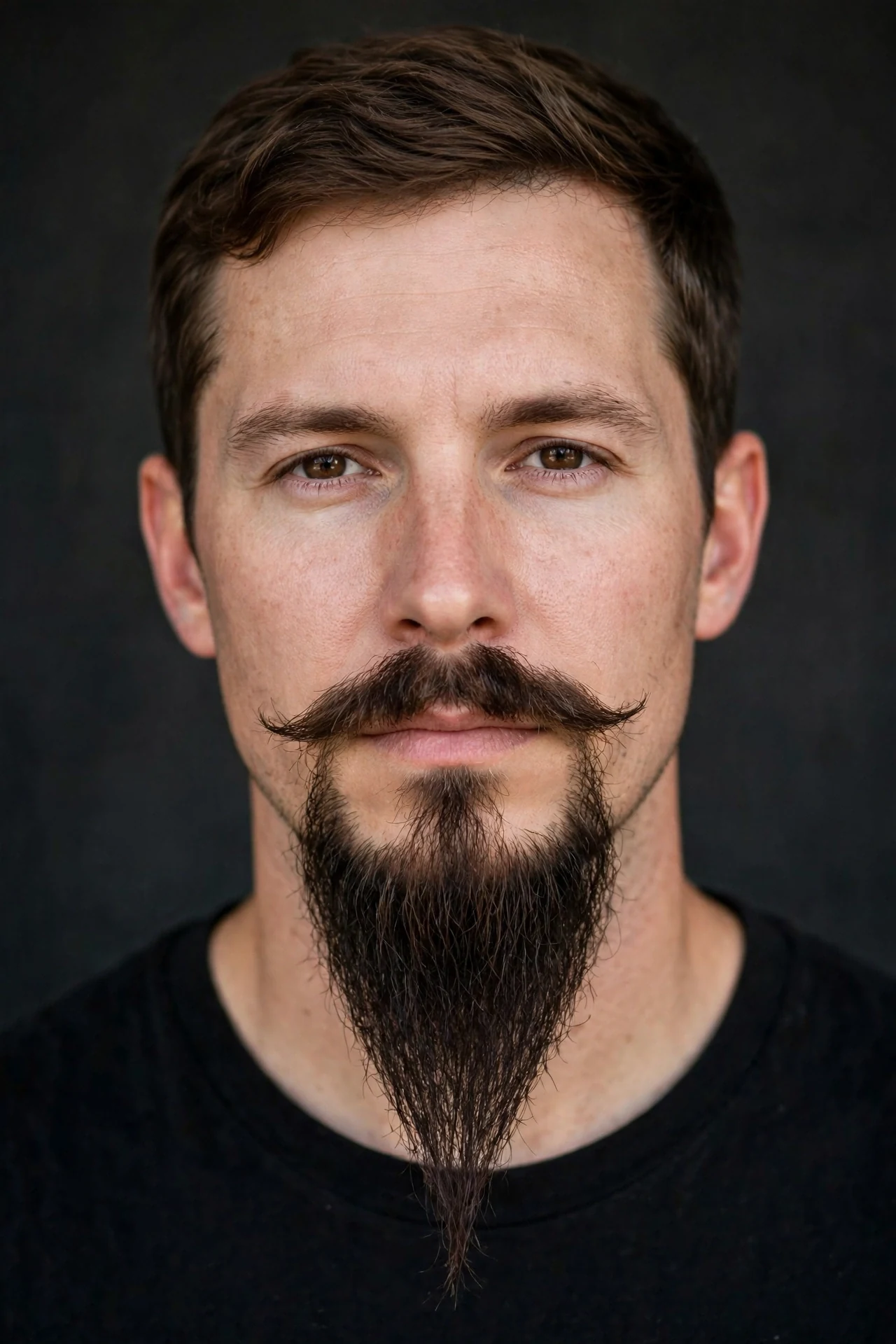
A long anchor beard runs along the jawline to a long, pointed chin, with a separate moustache and shaved cheeks. It gives the Viking look a sharp, defined shape and adds length to the face.
It’s a good alternative for men who want the Viking feel but don’t grow full cheeks. The beard is concentrated where most men grow thickest, along the jaw and chin.
Skip It If Your Face Is Already Long
A long, pointed chin adds length to the face. On a long or narrow face, it can make the face look stretched, and a fuller rounded beard is usually a better choice.
Keep the point centred and the jawline symmetrical. A trimmer without a guard helps you keep the edges crisp.
13
OF 22
The Viking Beard With an Undercut
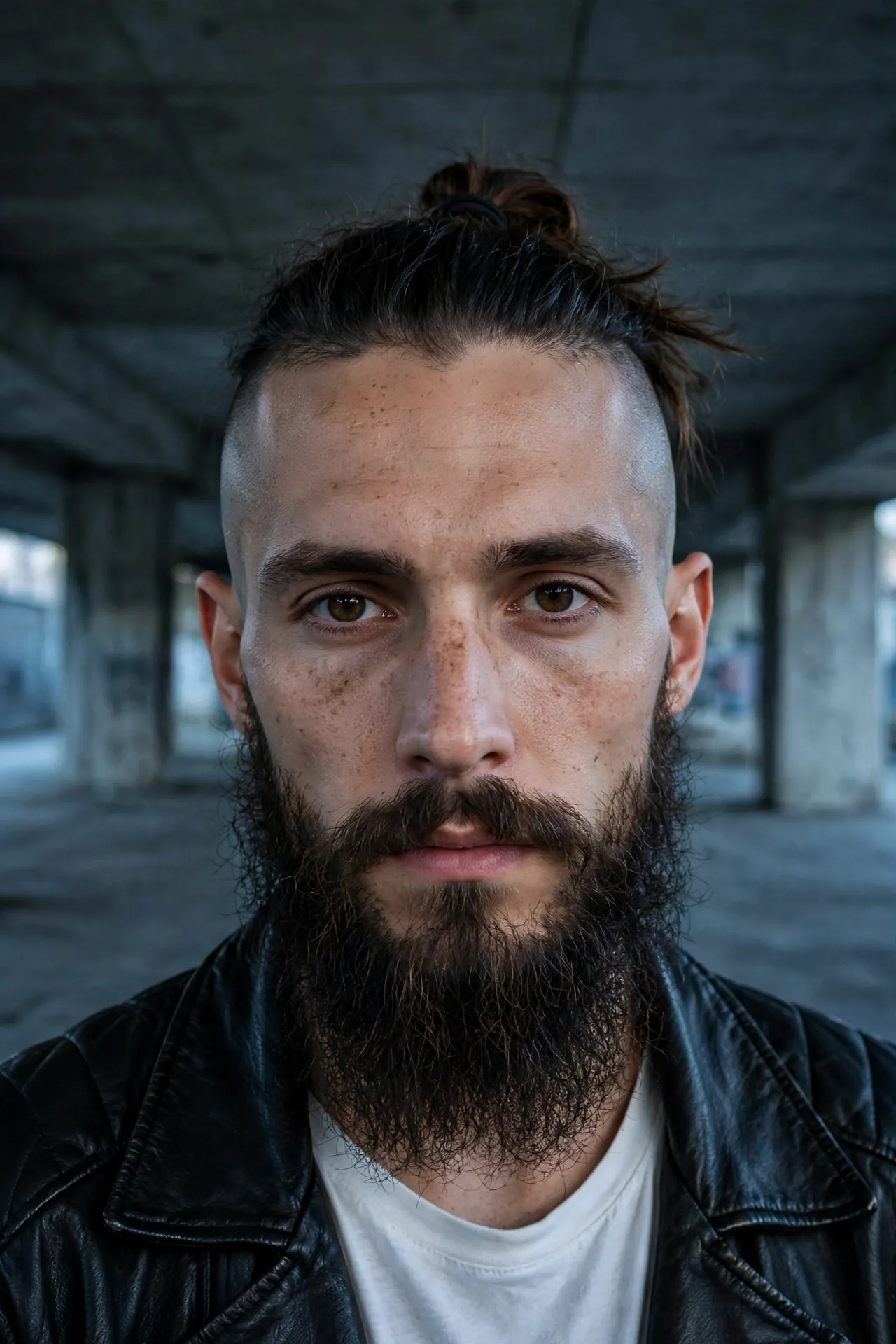
An undercut keeps the sides of the head very short and the top long, often tied back. With a full Viking beard, it’s one of the most popular modern takes on the look.
The short sides create a strong contrast with the beard and long top. It looks rugged but deliberate.
Keep the sides freshly cut. Overgrown sides blur the contrast between the haircut and the beard.
14
OF 22
The Viking Beard With Braided Hair
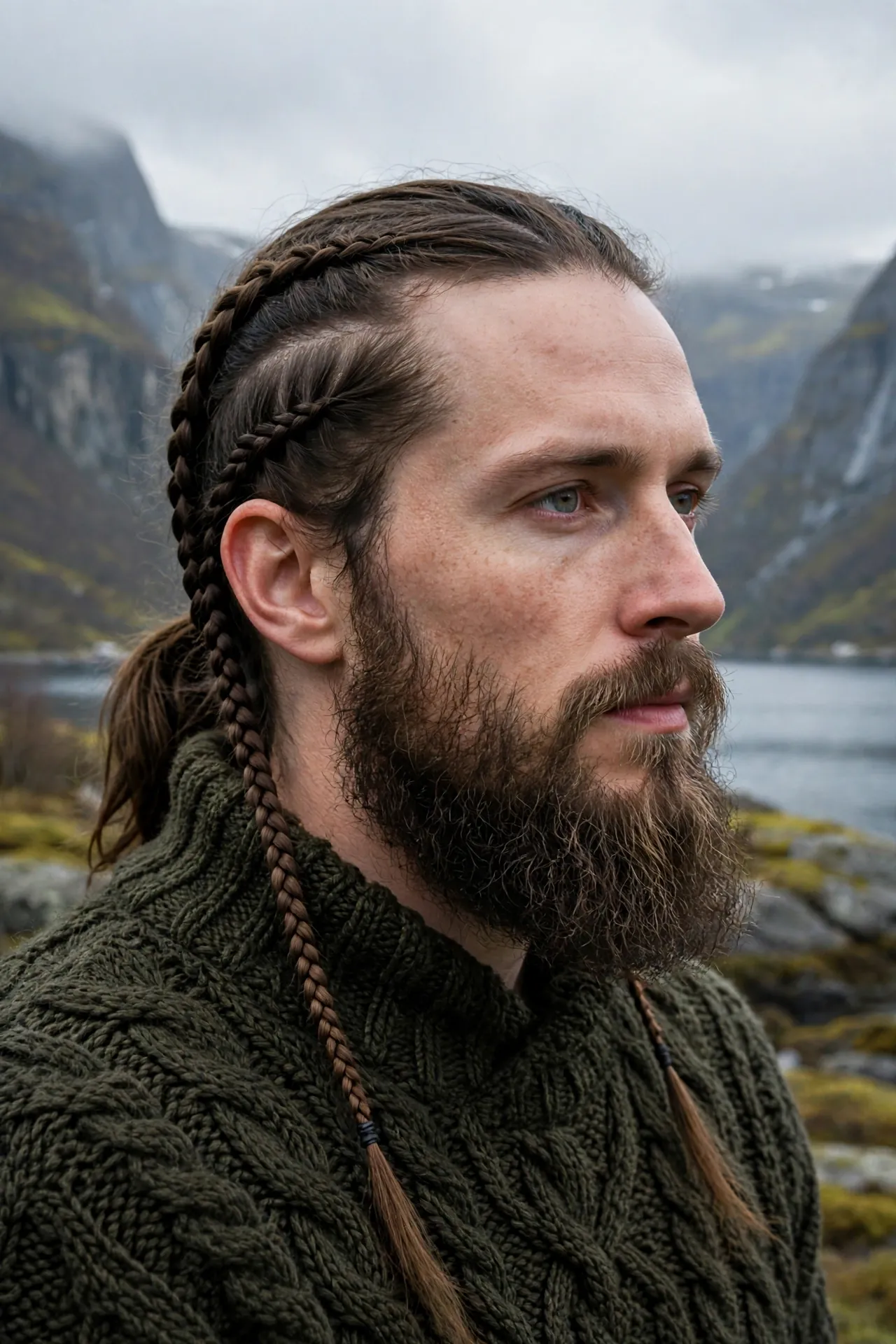
Braided hair with a full beard is the classic Viking hair and beard combination. Side braids or braids pulled back into a ponytail keep long hair off the face, while the beard frames the jaw.
It’s practical too. Braids keep long hair tidy through the day, especially outdoors or in the wind.
⚠️ Tight Braids Pull at the Hairline
Very tight braids, worn every day, can strain the hair at the roots and the hairline. Keep them firm but not tight, and give the hair a break by wearing it loose some days.
Keep the beard neat when the hair is braided. Polished braids next to a messy beard can look mismatched.
15
OF 22
The Viking Beard With a Man Bun
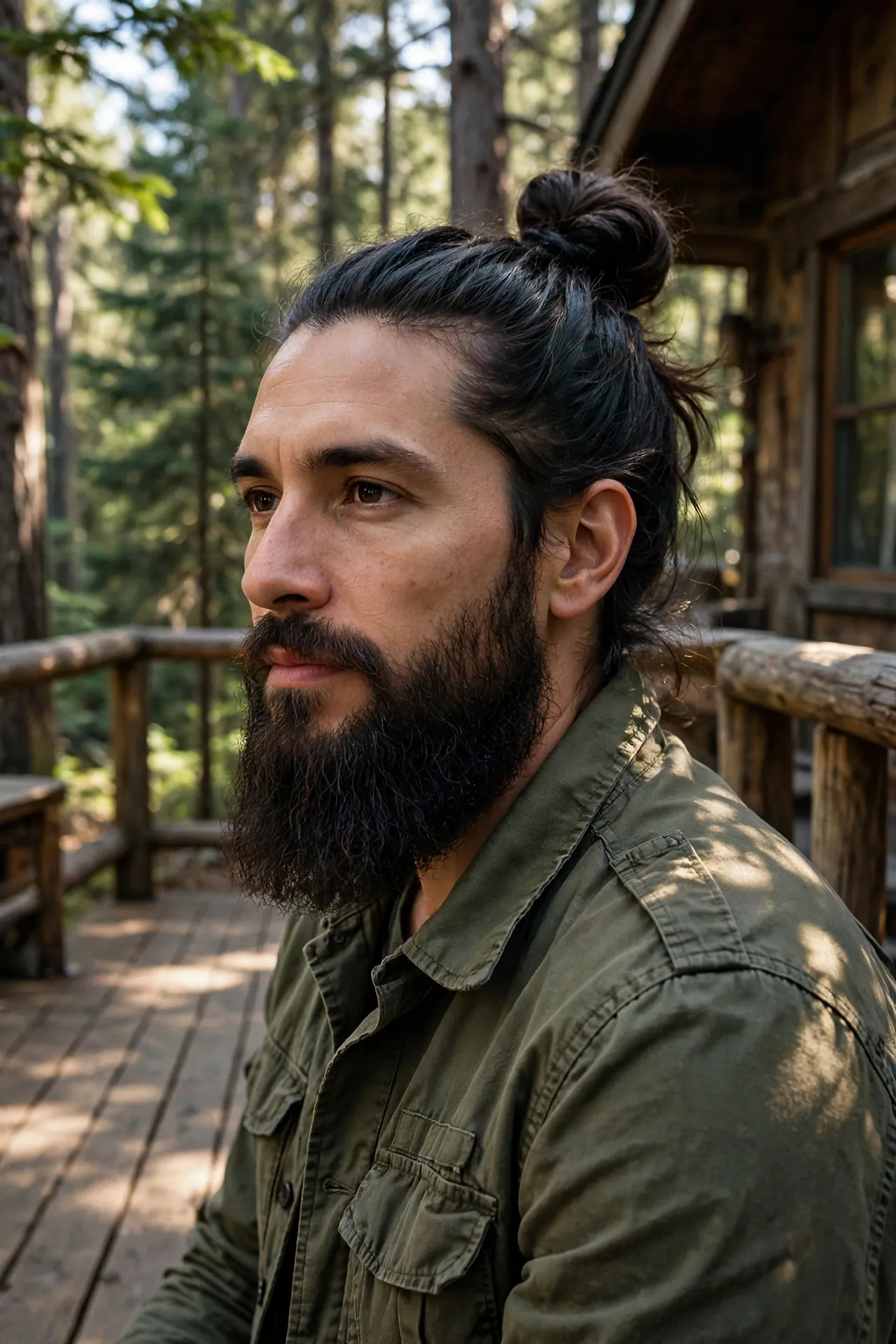
A man bun with a full Viking beard keeps the hair off the face and puts the focus on the beard. It’s relaxed and practical, and it suits men with long hair who want a quick, tidy look.
The bun also changes the proportions. With the hair pulled up, the beard becomes the main frame of the face.
💈 Tie It at the Crown, Not the Nape
A bun tied high, at the crown, adds height that balances a big beard. A low bun at the nape can make the head look small next to a long beard.
Keep the sides of the hair smooth as you tie it. Loose strands around the face make the look messy rather than relaxed.
16
OF 22
The Viking Beard With Short Hair
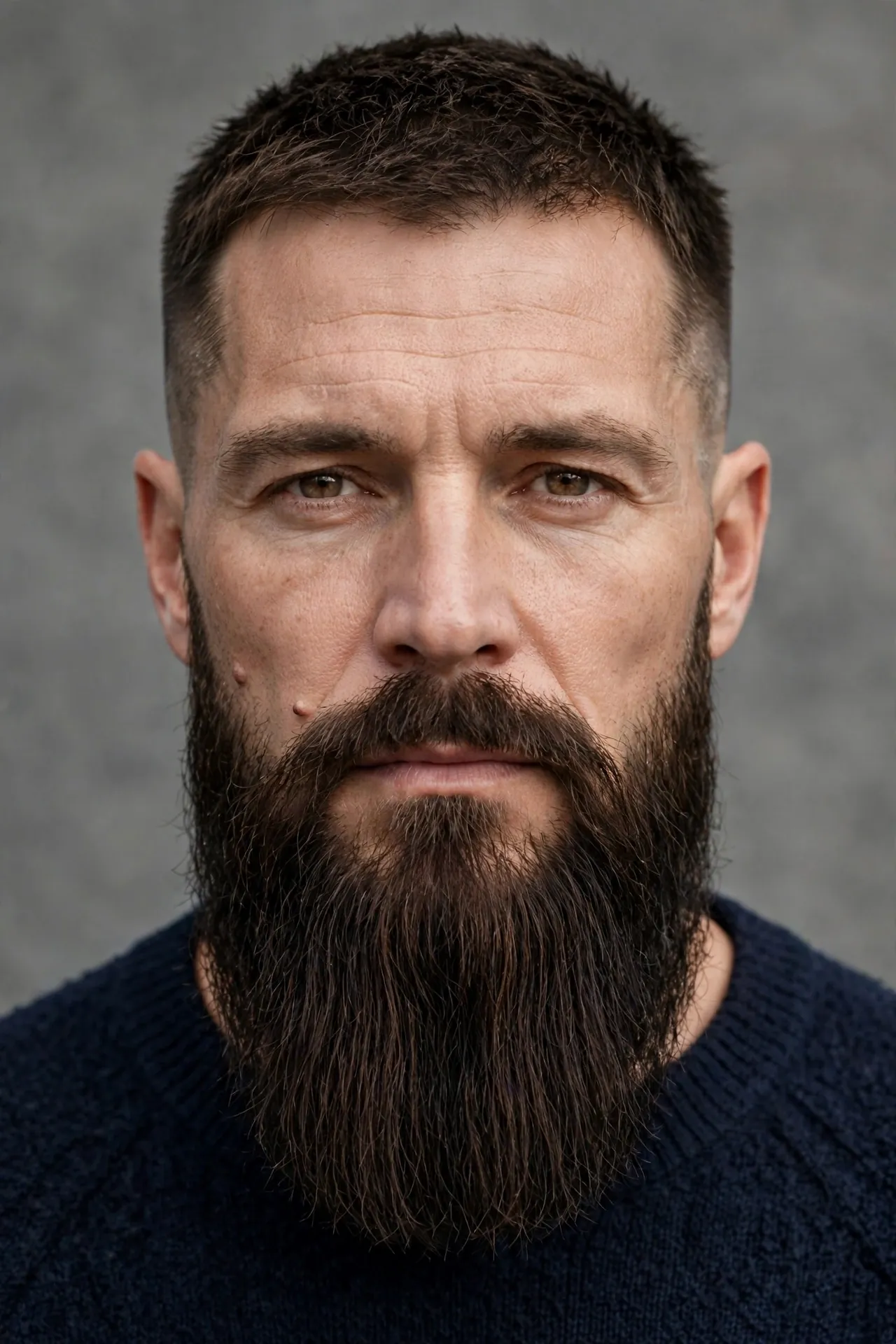
Short hair with a long Viking beard is a strong, simple combination. All of the length is in the beard, and the short hair keeps the head neat.
It’s also one of the easiest Viking looks to live with. The haircut needs only a quick trim every few weeks, so most of your effort goes into the beard.
💡 Keep the Sides Short to Balance the Length
With a long beard, short sides keep the head from looking wide. If the sides grow out, the head and beard together can look bulky.
A low taper on the sides blends the haircut into the beard. It makes the transition from short hair to long beard look smooth.
17
OF 22
The Viking Beard With a Fade
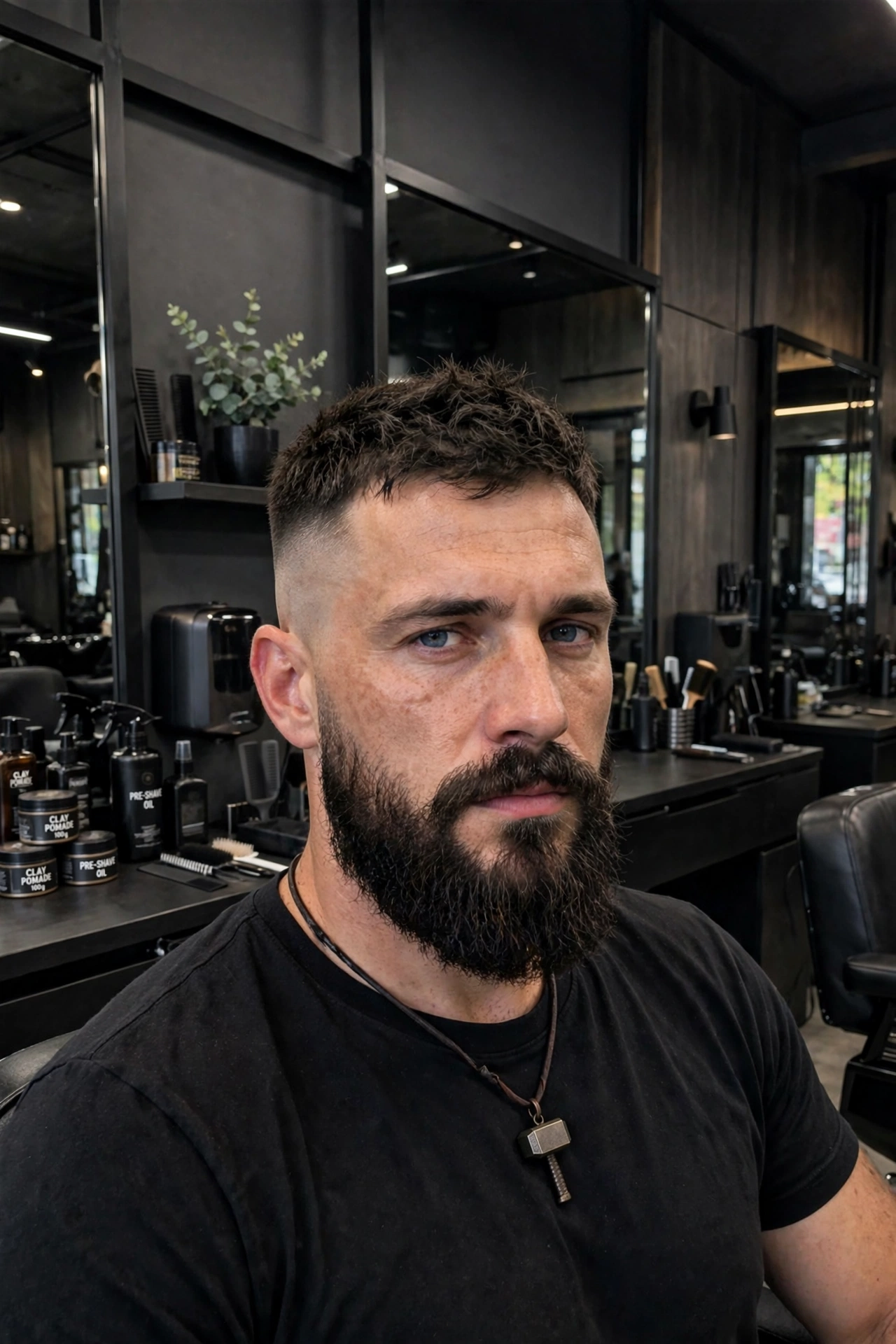
A fade on the sides of the haircut, blended into the beard, gives the Viking beard a sharp, modern finish. The beard looks full, but the edges look clean.
It’s especially popular for men who want the big beard without the long hair. The fade makes the beard the clear focus.
Where a Viking Fade Breaks: Fading the sides down to skin, then leaving the sideburns full and bushy. That creates a hard block of hair next to the ear. The fade should carry down the sideburns and blend gradually into the beard.
Fades grow out quickly. Plan on a barber visit every two to three weeks to keep the transition clean.
18
OF 22
The Bald Viking Beard
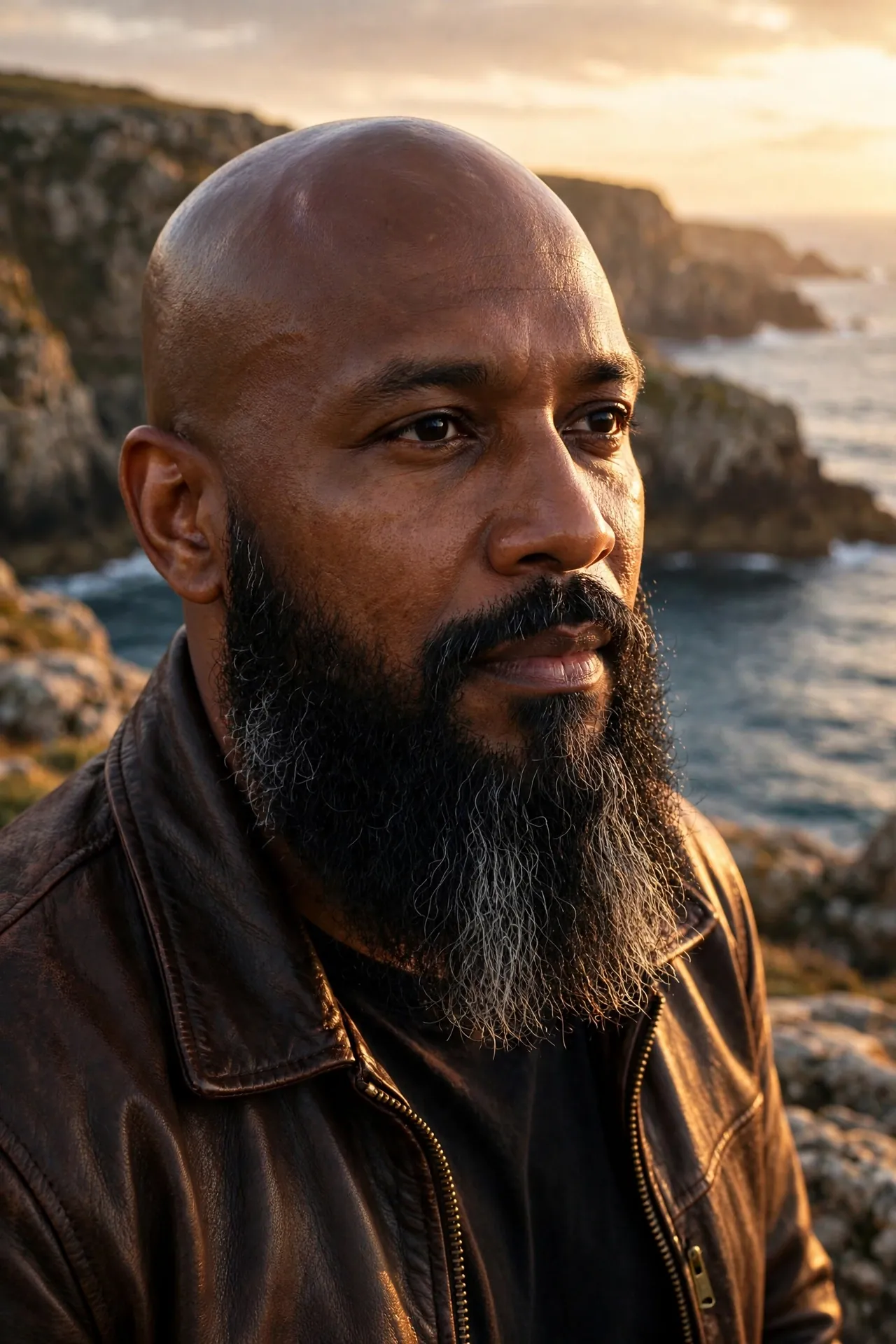
A shaved head with a long Viking beard is one of the strongest looks there is. All the hair is in the beard, which gives the face a powerful shape.
It’s also a confident choice for men who are balding. Shaving the head removes the contrast between thin and full areas, while the beard adds back presence.
BEFORE:
A thinning head of hair with a medium beard, where the thin crown draws more attention than the beard.
AFTER:
A smooth shaved head with a long, well-shaped Viking beard, so the beard becomes the clear focus and the look feels intentional.
Shaving the Head Around a Big Beard
Shave the head down to the top of the sideburns, then let the beard start there. A gradual fade at the sideburn, rather than a hard line, makes the beard look connected to the head.
19
OF 22
The Bald Viking Beard With Braids
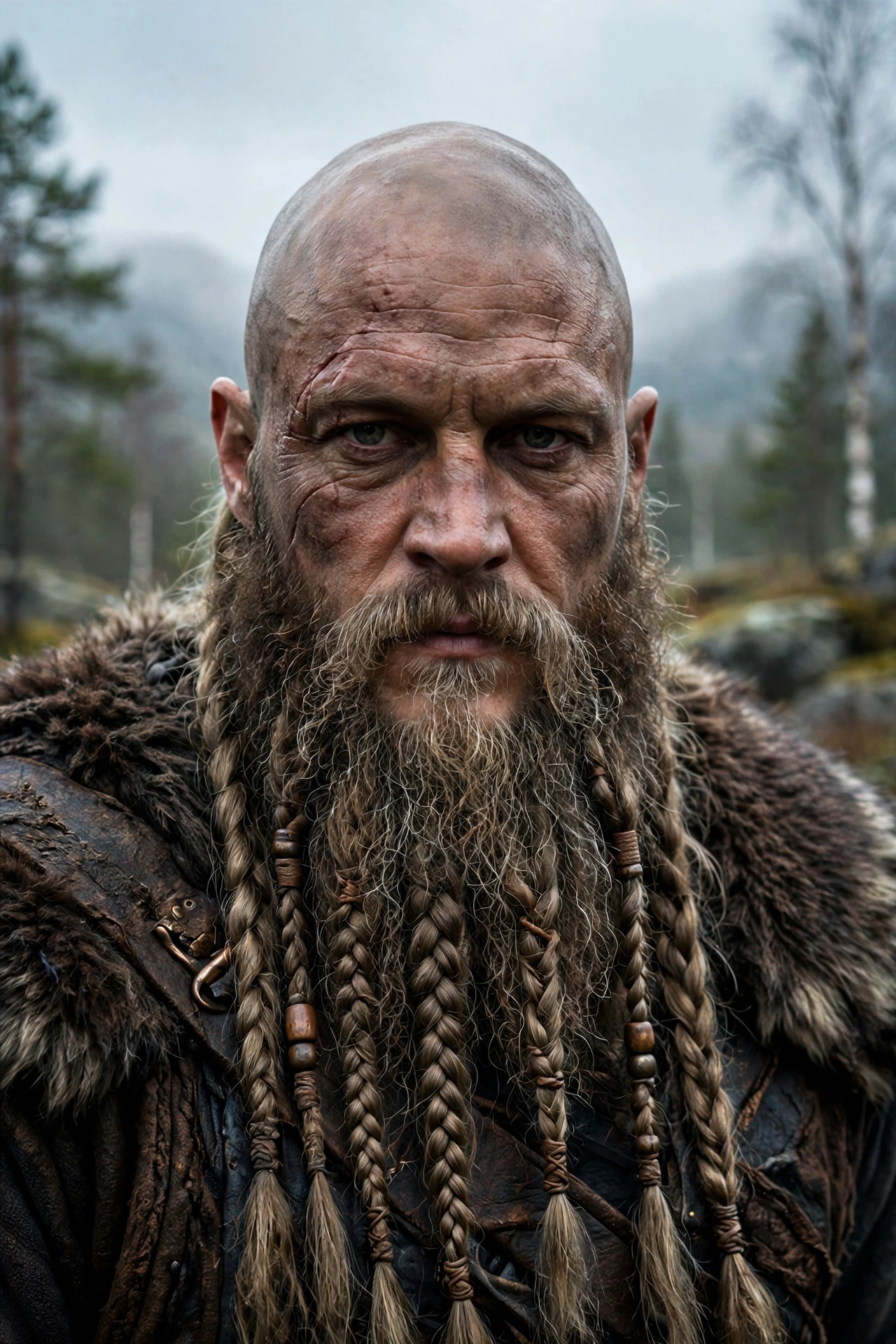
A braided beard with a shaved head puts every bit of attention on the beard. A single braid or two side braids give it structure and a dramatic finish.
It’s a bold look, but it needs real length. The beard has to be long enough to braid, which usually means a year or more of growth.
🎨
Head
shaved smooth
✂️
Beard
15 cm and longer
📐
Braid
one centre or two side
Keep the head freshly shaved. A smooth scalp makes the braided beard look sharper and more intentional.
20
OF 22
The Grey Viking Beard
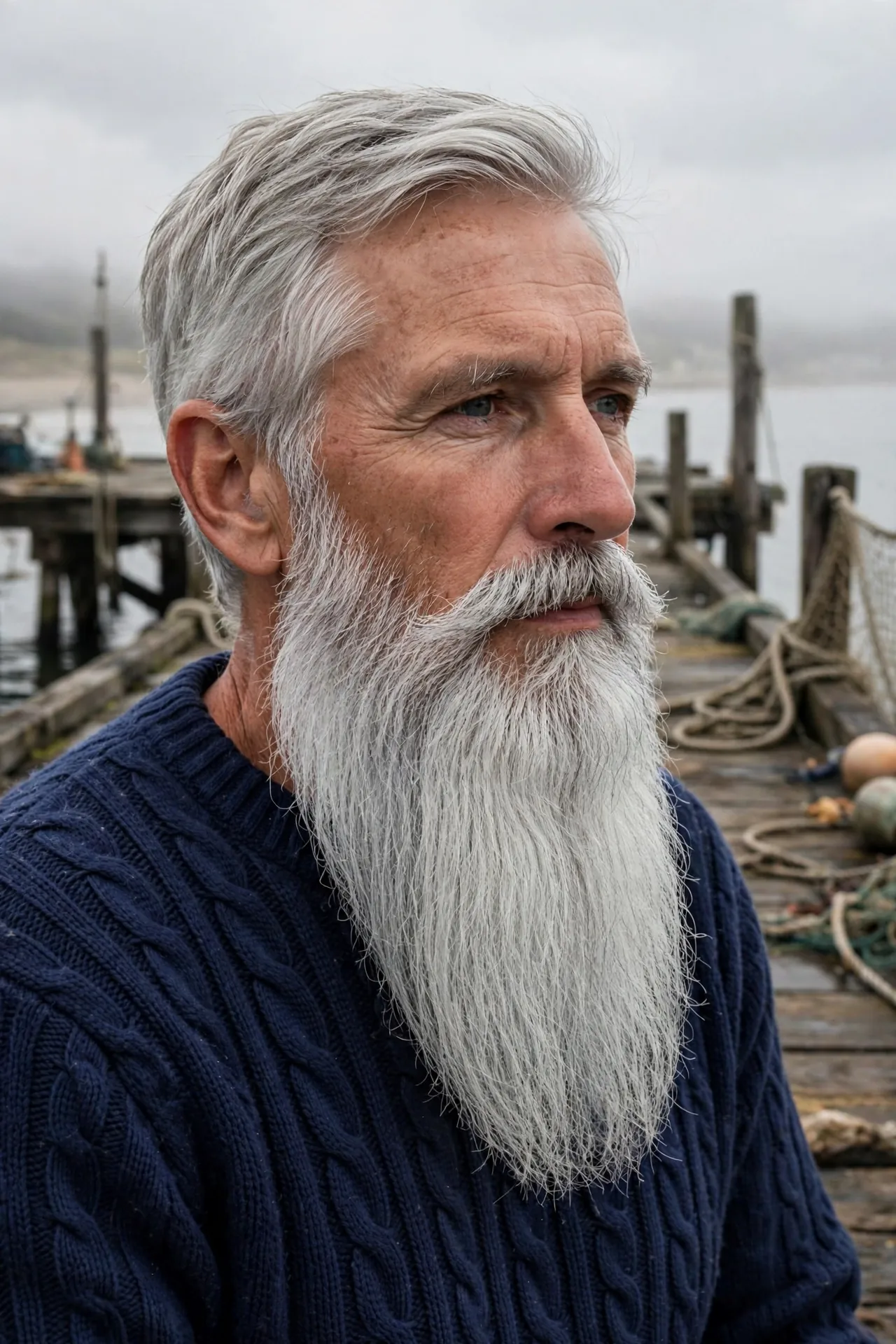
A long grey Viking beard has a dignified, weathered look that’s hard to match. The silver colour adds character, and the length gives it real presence.
Grey hair can be coarser and wirier than it used to be. Regular conditioning and combing keep a long grey beard soft and smooth rather than unruly.
💡 Keep Grey Bright With Purple Shampoo
Grey beard hair can turn yellowish from sun, smoking, or hard water. A purple shampoo used once a week helps neutralise the yellow and keeps the silver bright.
Shape the bottom of a grey Viking beard into a gentle taper. A straggly bottom edge is more noticeable in grey than in darker hair.
21
OF 22
The Curly Viking Beard
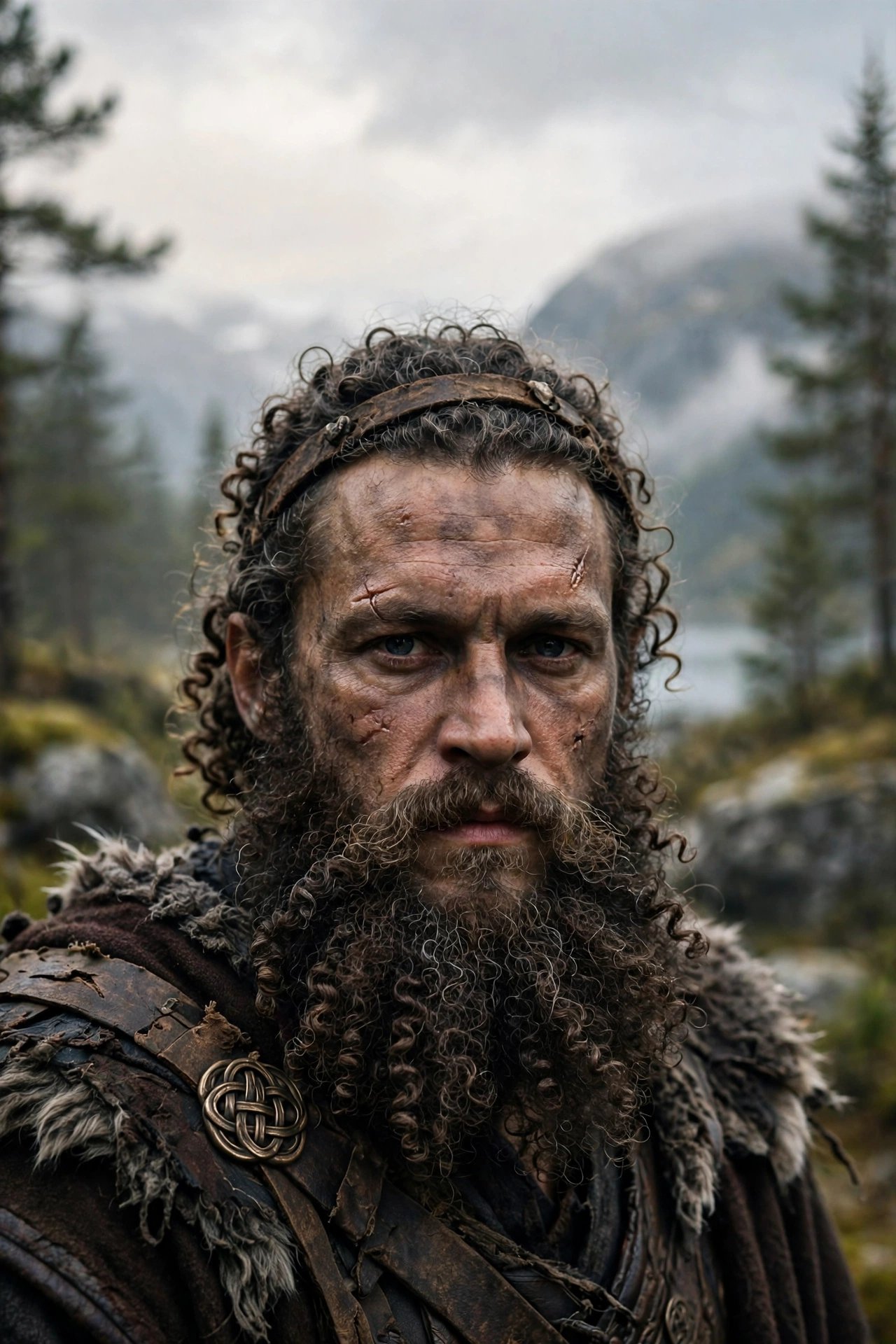
A curly or coily Viking beard has natural volume and texture, which makes it look full even at moderate lengths. The curls give the classic Viking look a softer, richer shape.
Curly beards often look rounder and fuller than straight ones. That means you can keep the beard a little shorter and still get the big, dense Viking look.
🧴 Moisture Keeps Coils Soft
Curly and coily beards tend to dry out, which makes them frizzy and prone to breakage. A beard oil or leave-in conditioner, applied daily, keeps the curls soft and defined.
Comb or pick the beard gently, working from the ends upward. Pulling a comb straight through can snag and break curly hair.
22
OF 22
The Blonde Nordic Beard
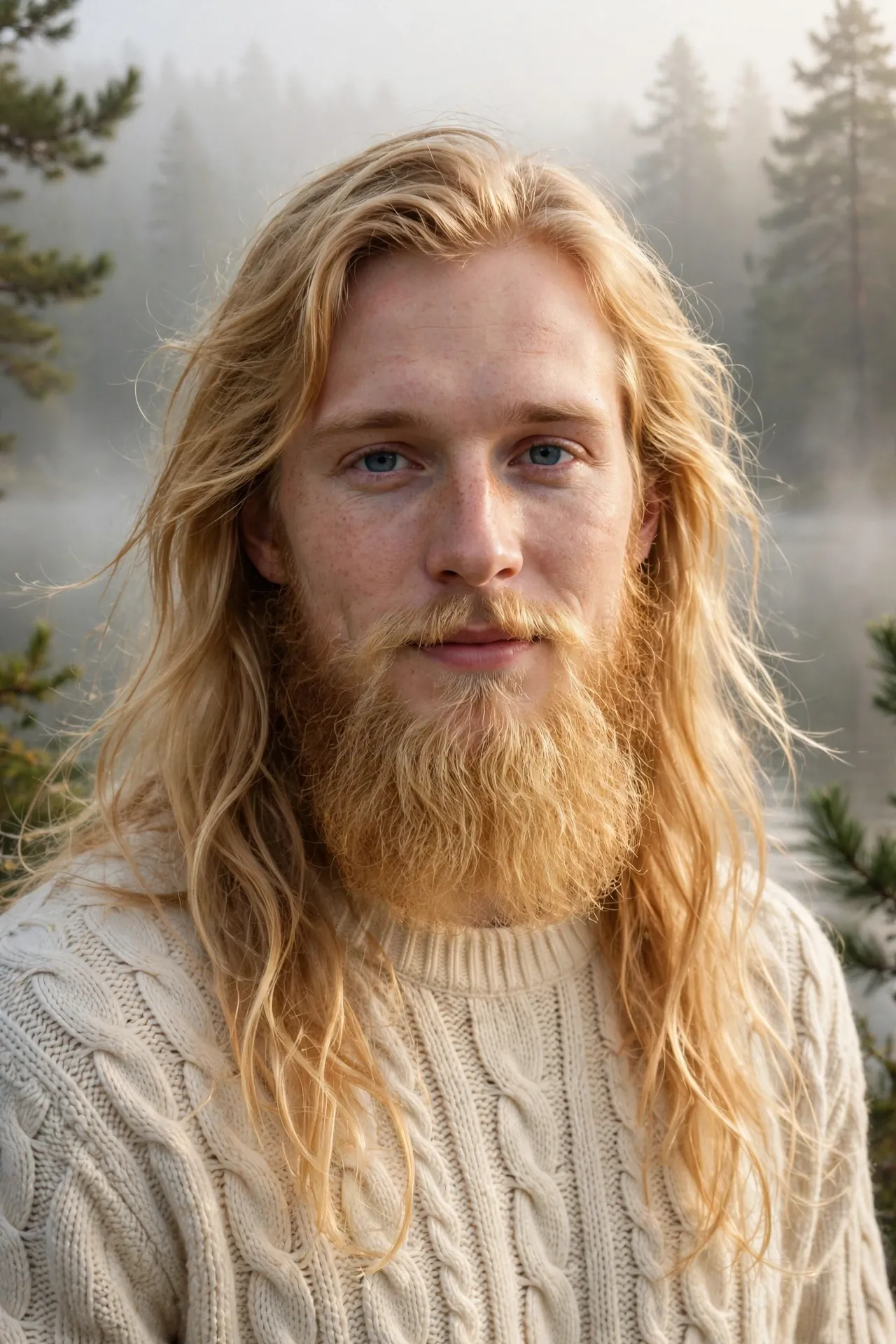
A long blonde beard is the look most people link to Nordic warriors. The light colour catches the sun and gives the beard a soft, golden glow.
Light hair can make a beard look thinner than it is, since it shows less contrast against fair skin. Growing it longer gives it more body and helps it look full.
🎨
Colour
golden or light blonde
✂️
Length
8 cm and longer
📐
Edges
natural, not sharp
Keep the edges natural rather than sharp. A soft, full outline suits a blonde Nordic beard better than a crisp, sculpted line.
Which Viking beard are you growing?
FAQs
What is a Viking beard?
A Viking beard is a long, full, dense beard with the moustache blending into it, often worn with long hair. Modern versions add neat grooming, braids, or beads.
How long does it take to grow a Viking beard?
A short Viking beard can take one to two months. A long, braided beard usually takes a year or more, depending on how fast your beard grows.
How long does a beard need to be to braid?
Most beards need at least 10 cm at the chin to hold a braid. Shorter beards slip out of the braid quickly.
Did Vikings really braid their beards?
There’s little direct evidence that Vikings commonly braided their beards. Grave finds show they cared about grooming, but the braided and beaded look is mostly a modern interpretation.
Can you have a Viking beard with a bald head?
Yes. A shaved head with a long Viking beard is a strong, popular look, and it suits men who are balding especially well.
How do I keep a Viking beard from looking messy?
Keep the neckline clean, trim the moustache above the lip, shape the bottom, and brush the beard daily. Beard oil or balm keeps the hair soft and controlled.